







Online Course After 12th Commerce for Fast Career Growth

After completing the 12th standard in the commerce stream, students often seek suitable career paths and educational opportunities to build a strong foundation for their professional life. With the increasing adoption of digital technology in education, opting for an online course after 12th commerce has become an accessible and flexible option for many students. Provided here is a detailed overview of the various online courses available after 12th commerce, their benefits, eligibility criteria, career prospects, and important considerations for selecting an appropriate program.
Importance of Online Courses After 12th Commerce
The commerce stream offers diverse opportunities in fields like accounting, finance, business management, economics, law, and more. However, the traditional classroom education system may not always cater to the specific needs or schedules of all students. Hence, an online course after 12th commerce allows learners to acquire essential knowledge and skills remotely, often at their own pace.
-
Flexibility in terms of time and location.
-
Access to diverse courses and specialization options.
-
Opportunity to enhance skills alongside regular studies or jobs.
-
Cost-effectiveness compared to traditional on-campus programs.
-
Ability to learn from industry professionals and reputed institutions.
Popular Online Courses After 12th Commerce
There is a wide range of online courses after 12th commerce tailored to various interests and career goals. The choice of course depends on the student’s aptitude, long-term objectives, and areas of interest. Below is a categorization of popular online courses with brief descriptions.
| Popular Online Courses After 12th Commerce | ||||
| Course Name | Description | Duration | Eligibility | Career Prospects |
| Online Bachelor of Commerce (B.Com) | Undergraduate degree focusing on commerce, finance, and accounting. | 3 years | 12th commerce pass | Accountant, Auditor, Financial Analyst |
| Online Chartered Accountancy (CA) | Professional course in accounting and auditing. | Varies (3-5 years) | 12th commerce or graduation | Chartered Accountant, Tax Consultant |
| Online Company Secretary (CS) | Professional course dealing with corporate laws and governance. | 2-3 years | 12th commerce or graduation | Company Secretary, Corporate Advisor |
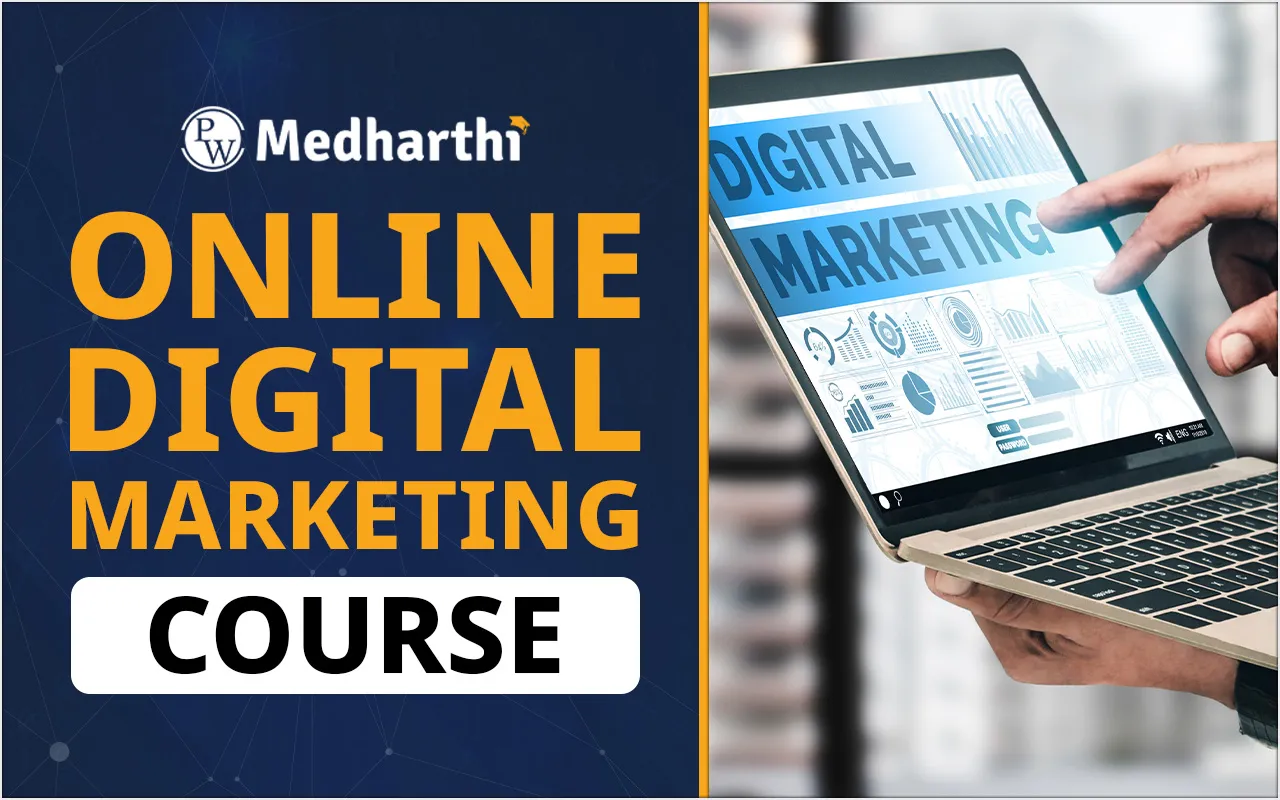
| Online Digital Marketing | Course covering online marketing strategies, SEO, SEM, etc. | 3-6 months | 12th commerce pass | Digital Marketer, SEO Specialist |
| Online Financial Modeling & Analysis | Course focused on building financial models for business analysis. | 3-6 months | 12th commerce pass | Financial Analyst, Investment Banker |
| Online Banking & Insurance Courses | Specialized courses covering banking operations and insurance. | 6 months-1 year | 12th commerce pass | Bank Officer, Insurance Agent |
| Online Diploma in Taxation | Course on direct and indirect taxation laws and procedures. | 6 months-1 year | 12th commerce pass | Tax Consultant, Tax Auditor |
| Online Business Analytics | Introduction to data analysis and business intelligence tools. | 6 months-1 year | 12th commerce pass | Business Analyst, Data Analyst |
| Online Economics Courses | Online courses covering microeconomics, macroeconomics, and econometrics. | Varies | 12th commerce pass | Economist, Research Analyst |
Eligibility Criteria for Online Courses After 12th Commerce
The eligibility criteria for most online courses after 12th commerce require the candidate to have successfully completed the 12th standard with commerce as one of the subjects. Certain professional courses such as Chartered Accountancy and Company Secretary may allow candidates to enroll after 12th commerce but have additional registration and foundation exam requirements. Some certificate and diploma courses may have more flexible eligibility, welcoming students from other streams as well, but the focus here remains on those aligned with commerce backgrounds.
Skills Developed Through Online Courses After 12th Commerce
Online courses after 12th commerce help students develop essential skills like financial analysis, communication, data interpretation, and digital literacy. These skills are vital for succeeding in various commerce-related fields. By enhancing both theoretical understanding and practical expertise, such courses prepare students for academic progression and competitive job markets.
-
Accounting and financial management skills
-
Analytical and quantitative abilities
-
Business communication and reporting
-
Taxation and legal knowledge
-
Digital marketing and e-commerce strategies
-
Problem-solving and decision-making
-
Data analysis and interpretation
How to Choose the Right Online Course After 12th Commerce?
Choosing the right online course after 12th commerce involves evaluating factors like course content, duration, fees, certification, and the reputation of the offering institute. Students should align course selection with their career objectives and interests, ensuring the program provides relevant knowledge and practical skills to support their professional development.
-
Career Goals: Determine the long-term career path and select a course that aligns with it.
-
Course Content: Review the syllabus and modules to ensure they cover relevant topics and skills.
-
Accreditation and Recognition: Check if the course is offered by a recognized institution or platform.
-
Mode of Delivery: Understand the structure of online learning, live sessions, recorded lectures, assignments, and assessments.
-
Duration and Flexibility: Choose a course that fits your schedule and allows learning at your own pace if needed.
-
Cost: Compare course fees and check for value in terms of content and certification.
-
Placement and Internship Opportunities: Look for courses that offer support in placements or internships.
Career Opportunities After Online Courses After 12th Commerce
Completing online courses after 12th commerce opens doors to diverse career opportunities in finance, marketing, accounting, human resources, and entrepreneurship. These courses equip students with industry-relevant skills, making them suitable for entry-level roles or higher education. They also facilitate smoother transitions into specialized professional streams or business ventures.
| Career Opportunities After Online Courses After 12th Commerce | |||
| Job Role | Description | Typical Employers | Required Qualification |
| Accountant | Managing financial records and accounts. | Corporates, Accounting Firms | B.Com, CA, Diploma in Accounting |
| Financial Analyst | Analyzing financial data for investment decisions. | Banks, Investment Firms, Corporates | Financial Modeling Course, B.Com |
| Digital Marketing Executive | Implementing online marketing strategies. | Marketing Agencies, E-commerce firms | Digital Marketing Course |
| Bank Probationary Officer | Managing banking operations and customer services. | Banks, Financial Institutions | Graduation + Banking Course |
| Tax Consultant | Advising on tax planning and compliance. | Accounting Firms, Self-employed | Diploma in Taxation, CA |
| Company Secretary | Ensuring legal compliance of a company. | Corporates, Legal Firms | CS Course |
Advantages and Challenges of Online Courses After 12th Commerce
Online courses after 12th commerce offer advantages such as flexible scheduling, accessibility, and a wide range of subjects. However, challenges include the need for self-discipline, limited face-to-face interaction, and dependence on technology. Understanding both benefits and drawbacks is essential for students to make informed decisions regarding online education.
Advantages:
-
Accessibility from any location.
-
Self-paced learning options.
-
Wide range of courses and specializations.
-
Cost-effective compared to traditional education.
-
Opportunity to learn while working or pursuing other activities.
Challenges:
-
Requires strong self-discipline and motivation.
-
Limited face-to-face interaction with instructors.
-
Dependence on technology and internet connectivity.
-
Need to verify authenticity and recognition of the course provider.
|
Read Also |
|
Online Courses After 12th Commerce FAQs
What is the benefit of taking an online course after 12th commerce?
Can I pursue an online course after 12th commerce without a strong academic background?
Are certificates from online courses after 12th commerce valid for jobs?
Which online course after 12th commerce offers the quickest job opportunity?
Do online courses after 12th commerce require entrance exams?






 Live & recorded classes available at easeDashboard for progress trackingMillions of practice questions at your fingertips

