







Skills That Will Shape the Future of Work
 Aditi Tiwari321 Jul, 2026
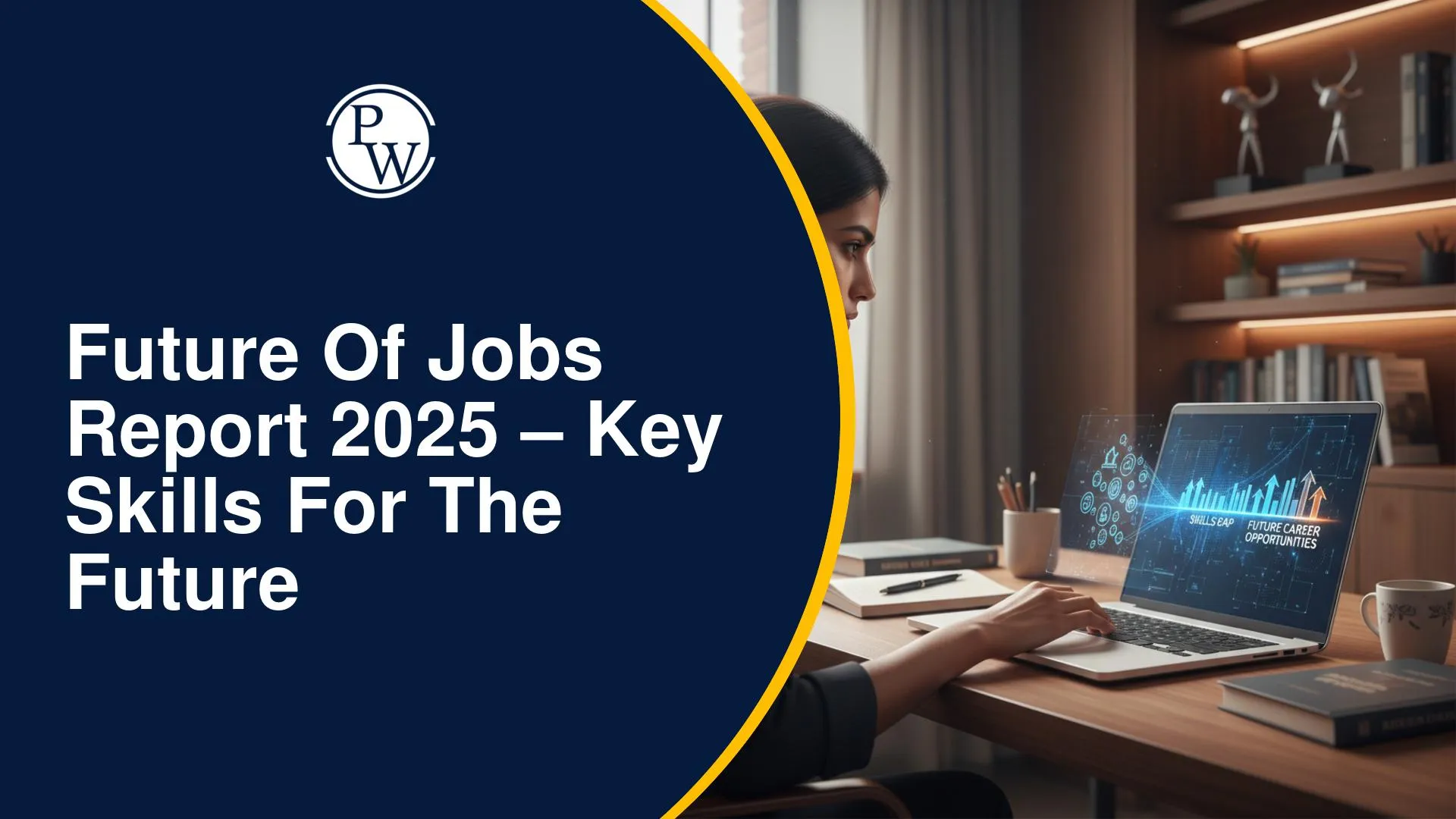
The World Economic Forum's Future of Jobs Report offers critical insights into the evolving global labor market. It identifies key trends and skills shaping the workforce by 2030. This analysis helps individuals and organizations adapt to technological advancements and economic shifts. It provides vital information for career planning.
Expected Skills Disruption by 2030
The report reveals that employers anticipate substantial changes in worker skills. About 39% of workers' core skills will change by 2030. This high level of ongoing skill disruption reflects rapid technological advancements and evolving work environments. Companies are focusing more on continuous learning programs to manage these future skill requirements.
Core and Rising Skills for the Future
The report identifies essential skills for today's workforce and those gaining importance. Analytical thinking remains a top core skill, followed by resilience, flexibility, and agility. Leadership and social influence also hold significant value.
The fastest-growing skills include:
| Skill Category | Importance |
| AI and Big Data | Highest Growth |
| Networks and Cybersecurity | High Growth |
| Technological Literacy | High Growth |
| Creative Thinking | Rising |
| Resilience, Flexibility, Agility | Rising |
| Curiosity and Lifelong Learning | Rising |
Conversely, skills like manual dexterity, endurance, and basic reading, writing, and mathematics show a projected decline in importance.
Drivers of Skill Transformation
Several macrotrends drive this skill evolution. Technological change, particularly in AI and digital access, significantly impacts skill demand. Geoeconomic fragmentation increases the need for cybersecurity and human-centric skills like resilience. The green transition is boosting demand for environmental stewardship skills. Demographic shifts also push for improved talent management and interpersonal skills. These factors collectively reshape the required workforce capabilities.
Reskilling and Upskilling to Fill the Skills Gap
Employers are increasingly investing in training programs. About 50% of the workforce has completed training as part of learning initiatives. This indicates a growing recognition of continuous skill development. Companies primarily fund their own training. However, government and public-private funding also play a role, especially in certain sectors. A BA online degree can be a flexible and effective pathway to acquire many of these in-demand skills, helping individuals bridge this skills gap and remain competitive.
FAQs
What is the main finding of the Future of Jobs Report 2025 regarding skills?
Which skills are becoming most important by 2030?
How are employers responding to skill changes?
What role does technology play in this skill transformation?
Can an online degree help address the skills gap identified in the report?



Have questions about your prep?
Our experts can answer all your questions
 Live & recorded classes available at easeDashboard for progress trackingLakhs of practice questions

