






What Should First-Year Engineering Students Do? Complete Roadmap for Success

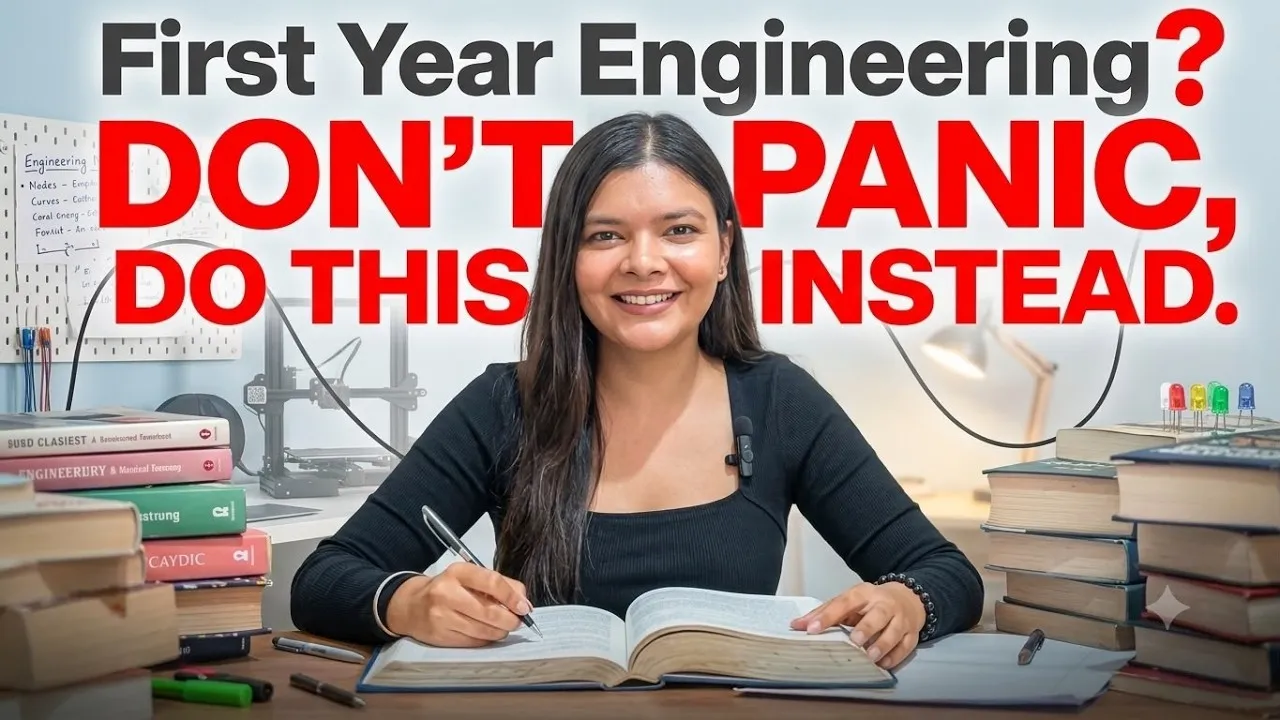
Starting engineering college is an exciting milestone. For many students, it is the first time they experience a new city, a new academic environment, and greater independence. Along with this excitement comes uncertainty. The first few weeks of engineering often bring more questions than answers.
Some students worry about maintaining a good CGPA. Others feel pressure to start coding immediately. Many wonder whether they should focus on internships, projects, hackathons, or networking. With so much advice available online, it is easy to feel confused.
The good news is that you do not need to figure everything out during your first semester. The first year is meant for exploration, learning, and building a strong foundation. Understanding what matters and what can wait will help you make better decisions throughout your engineering journey.
Common Questions Every First-Year Engineering Student Has
Almost every engineering student enters college with similar doubts. Some of the most common questions include:
-
Should I focus on CGPA or skills?
-
Do I need to start coding from day one?
-
Which programming language should I learn first?
-
How can I get an internship?
-
Do I need a LinkedIn profile already?
-
Should I participate in hackathons?
-
What if I do not know which field interests me?
-
How important are communication skills and networking?
These questions are completely normal. Most students face the same challenges during their first year. Instead of trying to solve everything at once, it is important to understand what should be prioritised first.
What Actually Matters in the First Year of Engineering?
The first year is not about becoming an expert developer, data scientist, or AI engineer. The primary goal is to build strong fundamentals. This includes understanding basic programming concepts, improving problem-solving skills, adapting to college life, and exploring different technical domains.
Students often make the mistake of rushing into advanced topics without mastering the basics. However, a strong foundation makes learning easier in later years. Your first year should focus on learning, experimenting, and discovering your interests rather than chasing every opportunity available.
CGPA vs Skills: Which Should You Prioritise?
Both are important. A good CGPA helps you clear academic eligibility criteria during internships, placements, and higher education applications. Many companies use academic performance as an initial screening parameter. However, academic scores alone rarely secure opportunities. Recruiters also want to see practical skills and real work.
Projects, portfolios, certifications, and technical achievements often help candidates stand out during interviews. A balanced approach works best. Maintain a respectable CGPA while consistently developing technical skills outside the classroom.
Do You Need to Start Coding From Day One?
Many first-year students feel anxious when they see others already learning programming. The answer is simple. You do not need to become an expert immediately. What matters is starting early and learning consistently.
Even a few hours every week can help you build a strong foundation. Focus on understanding programming logic, problem-solving techniques, and basic concepts before moving to advanced topics.
Which Programming Language Should You Learn First?
Do not try to learn everything at once. Pick one path based on your interest.
-
Interested in apps and websites? Start with HTML, CSS, and JavaScript.
-
Interested in AI, data, or analytics? Start with Python and SQL.
-
Focused on coding fundamentals and placements? Start with C++ or Java and learn DSA.
Your goal in the first year is not to become an expert. Your goal is to build a strong base and complete two or three small projects.
Why Projects Matter More Than Tutorials
Many students spend months watching tutorials but never apply what they learn. Projects help convert knowledge into practical experience.
When you build something yourself, you learn how concepts work in real situations. Projects also help identify gaps in your understanding. You can begin with simple projects such as:
-
Portfolio website
-
Calculator application
-
To-do list manager
-
Basic data dashboard
-
Student management system
The goal is not to create a highly advanced product. The goal is to demonstrate learning and build confidence. Every completed project becomes evidence of your skills.
Should First-Year Students Focus on Internships?
No. In the first year, focus on skills over internships. Here is what you should do instead:
-
Build small projects based on what you are learning.
-
Participate in hackathons.
-
Start building your portfolio.
When opportunities come, you need something to show. Build that first.
How Hackathons and Clubs Can Help You Grow
Hackathons and student clubs provide learning opportunities beyond the classroom. These activities help students:
-
Work in teams
-
Solve practical problems
-
Learn new technologies
-
Improve communication skills
-
Gain project experience
You do not need to win every competition. The learning experience itself is valuable. Every event exposes you to new ideas, challenges, and people. Technical clubs, coding communities, and workshops can also help you discover interests that regular coursework may not cover.
Building Your LinkedIn, GitHub, and Portfolio
Many students believe they should create professional profiles only after securing internships. In reality, the first year is a good time to start building an online presence. Create profiles where you can showcase:
-
Projects
-
Certifications
-
Technical achievements
-
Learning experiences
-
Hackathon participation
A GitHub profile can display your coding work. A LinkedIn profile can help you connect with peers, seniors, mentors, and professionals. You do not need thousands of followers. The focus should be on documenting your learning journey.
Why Networking and Communication Skills Matter
Technical knowledge is important, but communication skills also play a major role in career growth. Students often think networking is only for extroverts. However, networking simply means building meaningful professional relationships. You can start by:
-
Talking to seniors
-
Participating in club activities
-
Attending workshops
-
Connecting with mentors
-
Collaborating on projects
Over time, these interactions improve communication skills and build confidence. A strong network can also provide valuable guidance and opportunities throughout your college years.
Common Mistakes First-Year Engineering Students Should Avoid
Many students lose valuable time in their first year by focusing on the wrong things. Avoid these common mistakes:
-
Trying to learn everything at once: Focus on one skill or programming language at a time.
-
Ignoring academics: A good CGPA can help during internships, placements, and higher studies.
-
Watching tutorials without building projects: Apply what you learn through small projects.
-
Comparing yourself with others: Everyone learns at a different pace.
-
Chasing internships too early: Build skills and projects before applying.
-
Ignoring communication skills: Technical knowledge and communication go hand in hand.
-
Avoiding clubs and events: Hackathons, workshops, and student communities offer valuable exposure.
-
Being inconsistent: Regular learning is more effective than occasional intensive study.
A Practical Roadmap for Your First Year
Following an organised plan can help you stay focused.
Months 1–3
-
Settle into college life
-
Understand the curriculum
-
Maintain academic performance
-
Learn one programming language
Months 4–6
-
Explore technical domains
-
Learn programming fundamentals
-
Start basic problem-solving practice
-
Build consistency in learning
Months 7–9
-
Create one or two projects
-
Participate in hackathons
-
Join technical clubs
-
Strengthen practical skills
Months 10–12
-
Build your portfolio
-
Update LinkedIn and GitHub profiles
-
Showcase projects
-
Explore internship opportunities
The first year of engineering is not about having all the answers. It is about building habits, learning consistently, and exploring opportunities.
Focus on maintaining a good academic record, developing practical skills, building projects, and connecting with people who can support your growth. Do not worry if you are still figuring out your interests.
Engineering is a journey of continuous learning. Students who remain curious, consistent, and open to new experiences often create the strongest opportunities for themselves in the years ahead.
What Should First-Year Engineering Students Do FAQs
What should first-year engineering students focus on the most?
How many hours should a first-year engineering student spend learning coding?
Is DSA necessary in the first year of engineering?
What is considered a good CGPA in engineering?
Should first-year engineering students participate in hackathons?




Get Free Counselling Today
and Clear up all your Doubts
 Live & recorded classes available at easeDashboard for progress trackingLakhs of practice questions

