







How PW Student Junaid Secured AIR 358 in GPAT 2026 With a Focused Preparation Strategy
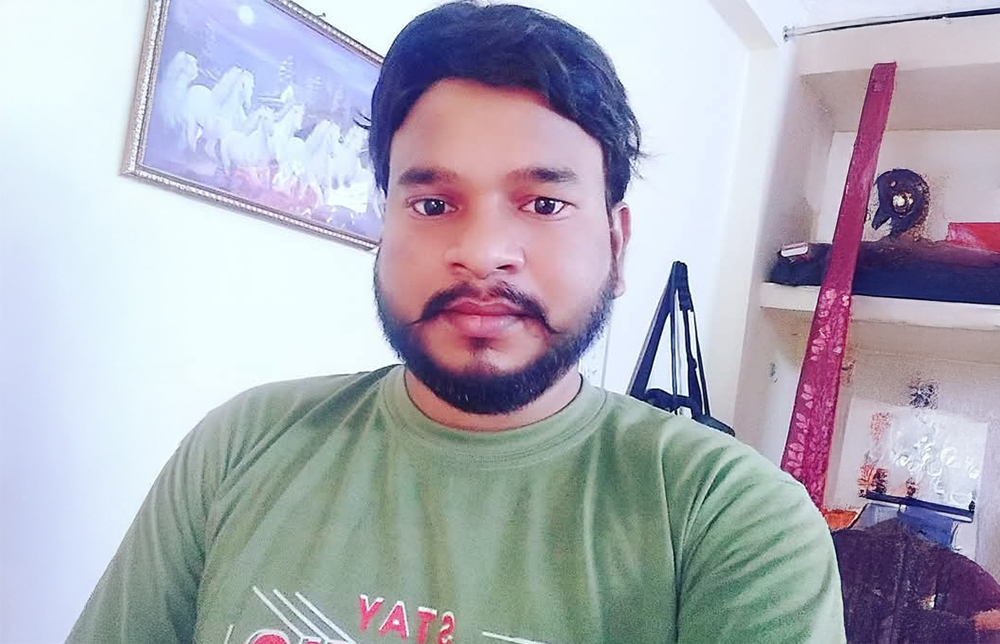


Preparing for GPAT while managing college can be challenging, especially when students have to balance semester examinations with entrance exam preparation. Junaid's journey shows how a regular study routine, practice through tests and PYQs, and focused revision can be used alongside college preparation.
He started his structured GPAT preparation around August by joining a PW batch. Over the course of his preparation, he attended lectures, attempted weekly tests and worked through DPPs. His later preparation also included regular mock tests, PYQs and subject-specific revision techniques.
Junaid Started His GPAT Preparation Alongside College
Junaid's preparation became more structured when he joined a PW batch around August. Before that, he was mainly focused on his regular semester preparation and college studies.
He explained how his preparation began:
"So basically maine PW ka class join kiya tha around August ke time pe. Us time pe aap bhi hamare college mein aaye the. Aap aur Pankaj sir seminar liye. To us time pe aapse bhi baat ho gayi thi aur Pankaj sir se bhi baat hui thi."
This marked the beginning of his dedicated preparation. After joining the batch, he followed the scheduled learning activities rather than treating GPAT preparation separately from his regular academic routine.
He further explained his routine after joining the batch:
"To basically August mein maine join kiya tha batch aur phir wahin se regular lectures jo aate the wo saare lectures attend karta tha. Aur jo weekly test rahenge wo saare weekly test bhi attend karta tha aur DPPs jo regular aate the har lecture ke baad unko bhi go through karna."
Regular lectures, weekly tests and DPPs became part of his preparation. This gave him a structured way to continue GPAT preparation while also managing his college commitments.
Junaid Strengthened Preparation Through Mocks and PYQs
As the examination approached, Junaid increased his focus on practice. He started the PW mock tests earlier than the scheduled 25-day period and also began solving previous-year papers regularly.
He described when he started the mocks:
"So basically jab mock test start hua tha to apne PW ke mock test 25 days pehle se start ho gaye the. 25 days ka PW mock test lekin maine thoda pehle hi start kar diya tha 40 days se saare dena start kar diya."
He also used PYQs as a regular part of his preparation:
"January 26 matlab Republic Day ke time pe maine PYQ solve karna shuru kiya tha to maine start kiya tha directly GATE 2004 se to GATE 2004 se roz ek paper solve karke aata tha."
He eventually completed the PYQs twice. Initially, his mock scores were below 200, which affected his confidence. However, PYQs gave him a sense of improvement, and his mock scores later crossed 300.
Junaid Used Simple Memory Techniques for Difficult Subjects
Some pharmacy subjects involved classifications, structures, drugs and other information that could be difficult to retain. Junaid used simple stories and associations to remember confusing portions.
He explained his approach to pharmacology:
"But first of all, being completely frank, maine Medic bas Pharmacology se kiya hai. Matlab Pharmacology mein jo classification tha wahi Medicum ke liye kiya hai. Medicum ke structures wagairah kuch alag se yaad nahi kiya."
For difficult classification and mechanism-based portions, he created stories to connect concepts with memorable ideas:
"Jahan par bhi confusion hai ya phir jahan pe zyada yaad karne wale parts hai classification ho gaye, mode of action ho gaye inko story bana do ki kahin pe bhi koi concept hai usko story ke jaise yaad rakho."
This technique helped him handle portions that required considerable memorisation. For Chemistry, he also focused on understanding the basics of organic chemistry before moving to other questions.
Junaid's PW Support Included Classes, Tests and Practice
PW was part of Junaid's structured preparation from around August. His preparation routine included attending regular lectures, taking weekly tests and completing DPPs after lectures.
He recalled his early interaction before joining the batch:
"To us time pe aapse bhi baat ho gayi thi aur Pankaj sir se bhi baat hui thi. To nearly usi time ke around maine start kiya tha batch join kiya tha."
He also described how he used the practice resources provided during the course:
"Aur jo weekly test rahenge wo saare weekly test bhi attend karta tha aur DPPs jo regular aate the har lecture ke baad unko bhi go through karna."
His preparation also included PW mock tests, which he began around 40 days before the examination instead of waiting for the scheduled 25-day mock period. These tests became another part of his practice and helped him assess his preparation.
Junaid Tracked His Study Hours and Marks
Along with regular practice, Junaid used a graph to track his daily study hours. He followed a system that helped him compare his actual study time with a defined range.
He explained the method:
"Jo honestly study kiya hai bas utne ko count karna hai aur X-axis pe number of days month ke poore. To samjho January ka jo month hai January heading de diya ek se leke 31 tak poore days hai neeche to aaj ek tarikh hai to aaj kitne din padhai kiya kitne hours padhai kiya."
He later added marks to the same graph:
"Maine kya kiya tha jo jo time wala jo graph tha usi mein marks wale marks bhi add kiye the. X-axis pe to let's say 250 marks hai to aaj 250 marks mile mock mein, aaj PYQ mein 350 mile to aise wo bhi mark karta jata tha."
The graph therefore helped him track both study time and performance. He observed that his study and marks graphs showed visible growth as he moved closer to the examination.
Junaid's Advice for Future GPAT Aspirants
After discussing his preparation strategy, Junaid also shared a simple approach for students starting their GPAT preparation. He advised students to attend lectures properly and stay prepared for the confusion that can come in the beginning.
He said:
“Pehle to lecture achhe se attend karo aur jab start karoge us time par confusion bahut hoga.”
Junaid explained that he also faced confusion while learning drug classifications. To manage this, he created a separate notebook and grouped drugs according to their classes and families.
He shared:
“Maine kya kiya tha us time pe ki ek notebook banayi, uske andar jitne bhi classes hain, jaise ki Captopril to pril ke andar saare drugs ke jo family the unka ek group, aisa page bana ke rakha tha aur wo jab bhi time mila revise karte rehta tha.”
This method helped him organise confusing drug classifications and revise them whenever he had time. He also mentioned that he could share the notebook with the interviewer.
His journey highlights the role of regular classes, repeated practice, revision and progress tracking in his preparation. Students can take these approaches as reference while developing a study routine that suits their own preparation needs. For students looking for structured GPAT preparation support, PW offers batches that include regular lectures, weekly tests, DPPs and mock tests, which were also part of Junaid's preparation routine.






Get Free Counselling Today
and Clear up all your Doubts
 Live & recorded classes available at easeDashboard for progress trackingLakhs of practice questions

