







How Rohit Kashyap Secured AIR 376 in GPAT with Focused Preparation and PW Support
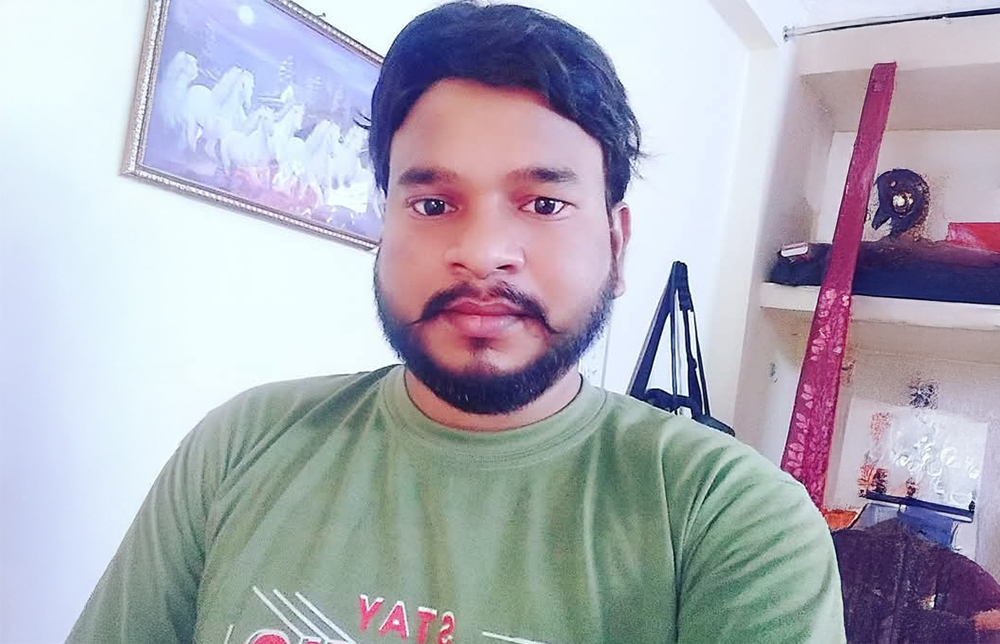
Preparing for GPAT alongside regular college studies can be challenging, especially when students have to manage academic exams, backlogs and limited preparation time. Rohit Kashyap, a third-year student at DIPSAR College, Saket, Delhi, secured AIR 376 in GPAT 2026 while continuing his college studies.
Rohit had taken PW's ACE GPAT 2.0 course and initially had a considerable backlog to cover. He later shifted his focus towards revision, important topics, PYQs and mock tests. His preparation journey provides a detailed look at how he approached GPAT preparation during his third year.
How Rohit Kashyap Started His GPAT Preparation
Rohit is from Delhi and studies at DIPSAR College, Saket. He started his GPAT preparation while continuing his third-year college studies. After enrolling in PW's course, he initially had a significant backlog that he needed to complete.
Talking about his academic background and preparation, Rohit said:
"I am in third year. Mera college jo hai wo DIPSAR College hai Saket mein. I am from Delhi. And jo maine ACE GPAT 2.0 course liya tha PW ka hi tha aur phir maine taiyari to chalu kar di lekin backlogs kaafi ho gaya tha mera bahut zyada."
Rohit worked on clearing the backlog in January. After that, instead of continuously adding more study material, he shifted his focus towards revision.
"January mein apna backlog poora clear kara phir February mein se maine kya kara syllabus phir maine badhaya nahi ki agar main ye padh loon phir ye bhi padh loon phir main revision pe focus kara zyada."
This shift helped him move from backlog completion to focused revision as the examination approached.
Why Rohit Kashyap Chose to Attempt GPAT in Third Year
Rohit decided to attempt GPAT in his third year after checking the eligibility criteria and finding that a third-year student could appear for the examination. He then decided to prepare at the required level instead of waiting until the fourth year.
Explaining why he decided to appear early, Rohit said:
"Sabse pehle to maine dekha eligibility criteria kya hai. Phir usmein likha tha ki third year wala bachcha de sakta hai. Phir maine kaha main to definitely dunga. Agar de sakte hain to kyun na doon?"
He then decided to prepare with the aim of qualifying in the same attempt.
"Isliye phir maine kaha phir tayari bhi us level ki karunga ki isi baar mein ho jaye taaki woh thodi tension jo hai woh next year ke liye utni na ho jitni matlab is time thi."
This approach allowed Rohit to attempt GPAT while still in his third year and secure AIR 376.
How Rohit Kashyap Planned His 30-Day GPAT Preparation
Rohit's focused 30-day preparation began in February. He first identified important chapters and units and then revised them systematically. He followed a chapter-wise approach and solved PYQs after completing the relevant topics.
Explaining how he approached the important chapters, Rohit said:
"Jo mera 30 days tha wo chalu February se hua tha. Maine revision February se kari thi chalu. To usmein main kya karta tha ki jaise ki sabse pehle to maine important chapter mark kare."
He followed this approach across subjects and kept his main focus on revision and PYQs.
"Main roz kam se kam 7 to 8 hours ke study karta tha aur phir revision ke baad uske PYQ solve karta tha. Bas yahi strategy thi meri. Main focus revision pe tha aur PYQs pe tha."
Rohit also followed a sequence in which he completed a chapter first and then practised questions related to it. This allowed him to combine revision with question-solving practice.
How PW's Classes Helped Rohit Kashyap
Rohit had prepared through PW's ACE GPAT 2.0 course. During the interview, he discussed how the classes helped him with concepts and revision. He specifically mentioned the teaching approach, tricks used in Pharmacology and charts used for Pharmaceutics.
Sharing his experience with the classes, Rohit said:
"Classes mein jo padhaya tha aap logon ne, aapne bahut achhe se padhaya tha. Pehli baat to Med Chem tha, bahut achhe se karvate the, ekdum achhi, jaise matlab yaad ho jata tha usi time ek class mein hi."
He also mentioned how the tricks and charts helped him remember topics during revision.
"Jo Pharmacology hoti thi jaise Supriya ma'am bhi hai, Mukul sir bhi hai, to unhone jo tricks bataye the usse bahut help hoti thi. Aur jo Pharmaceutics mein jo sir ne jo charts wagarah bataye the, ek hi chart mein poora matlab agar revision karni hoti thi to ek hi chart unhone aisa bana ke de rakha tha, usko padhoge to tumhare ko poora chapter revise ho jayega."
Rohit also attempted mock tests available on the PW app. If he missed a mock test, he would attempt double the mocks the next time.
What Rohit Kashyap Says About Revision and PYQs
For his preparation, Rohit did not try to keep adding new material continuously. His approach was to identify important chapters, revise them and then solve PYQs. He also highlighted the importance of being consistent.
When discussing his advice for students, Rohit said:
"Sabse pehle to syllabus ke peeche mat bhago. Zaroori nahi hai ki tumko poora syllabus hi karna hai. Sabse pehle jo important topics hai unko cover karne ki koshish karo."
He further suggested giving priority to major subjects and important units before moving towards minor subjects.
"Pehle major subjects pe focus karo. Uske phir jo important units hai pehle usko cover karo aur PYQ zaroor karo. Aur jo tumne kara hai usko phir revise karo achhe se. Phir tumhari definitely rank achhi aa jayegi."
Rohit's advice was followed by a message from PW Pharma's mentor, who added:
"Ye matter nahi karta ki aap kaun se year se tayari kar rahe ho. Matter ye karta hai ki jab se aap tayari karna shuru karo aap usko continue karte raho."
According to Rohit, students should also revise the topics they have already studied and solve PYQs as part of their preparation.
Rohit Kashyap's Message for GPAT Juniors
Rohit also shared advice for students who are beginning their preparation early. He recommended staying focused from the beginning and giving importance to standard books.
His message to juniors was:
"Juniors ko main yahi kehna chahta hoon ki shuruaat se hi thoda focused raho aur standard book se hi padho."
He further explained that students should make notes from standard books because these notes can be useful later in their preparation.
"Usse padho, usse notes banao, wahi notes tumhare ko aage kaam aayenge future mein tumhare liye kaafi saare."
Rohit's GPAT 2026 journey shows how he combined college studies with focused preparation. He cleared his backlog, prioritised important topics, revised regularly, solved PYQs and attempted mock tests. His AIR 376 in the third year reflects the preparation approach he followed during the examination cycle.
For GPAT aspirants, his journey highlights the importance of focused study, regular revision, PYQ practice and consistency. Rather than continuously adding more material, students can identify important areas, understand concepts and keep revising what they have already studied.






Get Free Counselling Today
and Clear up all your Doubts
 Live & recorded classes available at easeDashboard for progress trackingLakhs of practice questions

