







GPAT 2026 Topper Sankha Mondal AIR 415: Success Story With PW
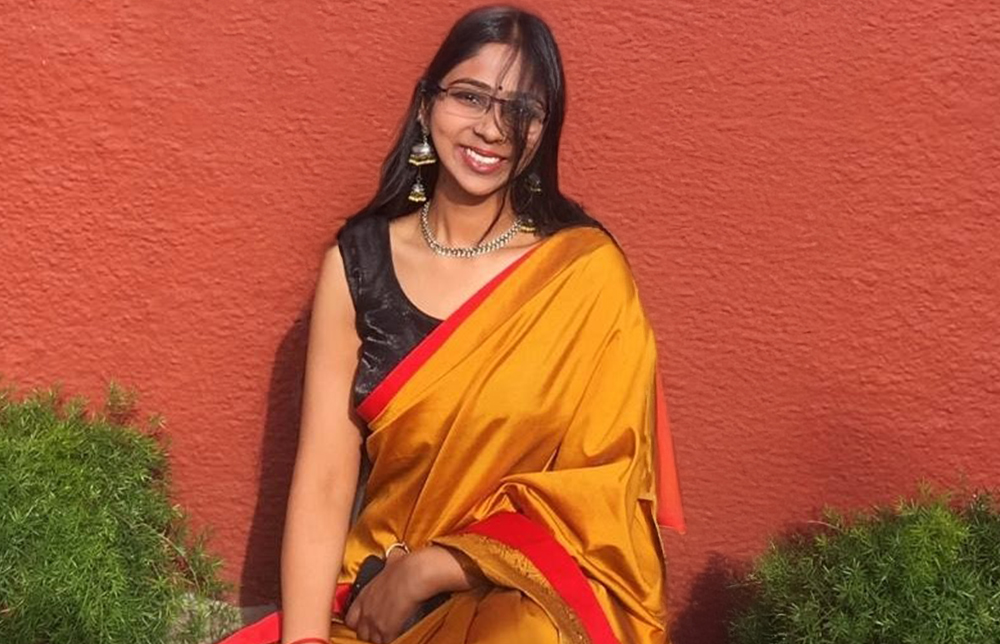
Sankha Mondal secured AIR 415 in GPAT 2026 after reappearing for the exam with the goal of improving his previous rank.
He had already qualified GPAT earlier but wanted a better rank to increase his chances of getting admission to a good college for master's studies. Along with GPAT preparation, he was also preparing for government pharmacist exams and had secured 9th rank in the WBHRB Pharmacist exam.
His preparation focused on strong concepts, standard books, regular MCQ practice, PYQs and test series. PW classes and test series also played a role in his preparation.
Why Sankha Appeared for GPAT Again
Unlike students appearing for GPAT for the first time, Sankha had already qualified the exam. His main reason for appearing again was to improve his rank and aim for admission to a good college.
"Mera main motive tha ki achhe college se Masters karna hai. Top colleges mein admission ke liye bahut achha rank chahiye. Aajkal competition bhi bahut zyada hai."
He was also preparing for a government pharmacist examination alongside GPAT. His preparation for both exams continued together.
Sankha had already secured 9th rank in the WBHRB Pharmacist exam and was working in a job at the time of his GPAT 2026 result.
Also, Read: GPAT 2026 Topper Aditya Jaiswal AIR 224
Sankha's GPAT Preparation Strategy
When Sankha started preparing for GPAT, he did not have a fixed strategy. He first watched a PW Pharma strategy video to understand how to approach the exam.
He then started following PW classes for different subjects. He focused more on major subjects and kept minor subjects for later preparation.
"Pehle mere paas koi strategy available nahi thi. PW Pharma ka strategy video dekhkar thoda motivate hua ki kaise prepare karna hai."
He followed classes for Chemistry and Pharmaceutics and gradually developed a study schedule according to the subjects.
His preparation was divided between major and minor subjects rather than trying to study everything at the same time.
Sankha Focused on Major Subjects First
Sankha gave more time to major subjects because they were important for both his GPAT preparation and government pharmacist exam preparation.
His basic routine was to study major subjects in the morning and keep minor subjects for later in the day.
"Maine ek time schedule kar liya tha ki major ab mujhe subah uthkar padhna hai aur raat ko agar minor ke saath ek major padh leta tha."
This allowed him to cover different subjects without spending the entire day on one topic.
He also used PW's earlier Antim Prahar batch and test series for additional practice.
"Aap logon ka jo last GPAT ka Antim Prahar batch aaya tha, usse bhi mujhe bahut fayda mila. Bahut saare questions mere bane aur test series se bhi mujhe bahut help mili."
How Sankha Prepared Difficult Subjects
Chemistry was initially a difficult subject for Sankha. However, PW classes helped him improve his understanding of the subject.
He specifically mentioned following Chemistry classes by PW faculty.
"Chemistry mein mujhe bahut dar lagta tha. Chemistry mujhse utni improve nahi hui thi, lekin classes se woh improve ho gayi."
For Pharmaceutics, he followed detailed classes and focused on understanding the equipment and concepts properly.
His approach was not limited to memorising information. He first worked on understanding the concepts and then moved towards question practice.
Sankha Used Tricks and Mnemonics for Revision
Sankha used tricks and mnemonics to remember information-heavy topics.
He found these useful for areas such as pharmacology classifications, enzyme inducers and inhibitors and high-phosphorus metabolism drugs.
For example, he used a mnemonic to remember a set of drugs instead of trying to memorise each name separately.
"Agar hum tricks ki madad se karenge toh woh bahut zyada hamare mind mein reh jaata hai."
He also used tricks for remembering some Chemistry reagents.
This method helped him revise memory-based information more easily before the exam.
Sankha's First and Second GPAT Attempts
Sankha's preparation changed after his first GPAT attempt.
During his first preparation, his main focus was concept building. He studied the theory in detail and worked on understanding classifications, reactions and individual drugs.
"Pehle experience mein mera main focus concept building tha. Ek-ek drug ko nikaal ke uska poora theory karna hota tha."
For the second attempt, he already had much of the conceptual knowledge. Therefore, his focus shifted towards test series, exams and analysis.
"Second attempt mein woh sab yaad reh jaata hai. Uske baad mainly exams dene mein focus karna hota hai, test series attend karne mein aur exam mein jo galti ho rahi hai usko analyse karne mein."
According to Sankha, identifying and correcting mistakes helped him improve his performance.
Why Exam Analysis Was Important for Sankha
Sankha placed strong importance on analysing every test.
Instead of only checking the score, he looked at the questions he got wrong and tried to understand why the mistake happened.
This was especially important because GPAT has negative marking.
"Har exam ke baad analysis karna hota hai. Kahan par galti hui hai, woh galti ko sudharna hai taaki next time hum woh galti na karein."
He also explained that guessing answers without enough confidence can increase negative marks.
"Tukka maarne se kya hota hai? Hamara jo sahi marks hota hai, woh last mein negative ban ke rank gira deta hai."
For questions where he could eliminate incorrect options, he also used the method of elimination.
However, he considered conceptual clarity the main factor in maintaining accuracy.
Sankha's PYQ Strategy for GPAT
Sankha considers GPAT Previous Year Questions (PYQs) an important part of preparation.
He explained that even when the exact question does not repeat, PYQs can show the concepts and patterns that are relevant for the exam.
"PYQ bahut important hota hai. PYQ ke basis par agar same question nahi bhi aata, phir bhi uske aas-paas ka concept aa sakta hai."
He suggested practising previous years' papers and regularly solving questions.
Sankha also recommended making question practice a daily habit.
"Minimum limit 100 hona hi chahiye. Daily basis pe 100 questions practice karne chahiye."
The number of questions can increase based on the student's preparation level and available time.
Sankha's Morning and Evening Study Routine
Sankha divided his preparation according to the time of day.
He kept major subjects for the morning when he could focus on concept-based study. He then used the evening for tests and question practice.
After completing a test, he spent time analysing the mistakes.
"Subah ka jo major subject hai, woh padh ke aur uske baad minor ko evening mein rakh ke exams dena aur analysis karna, aise ek strategy bana ke main karta tha."
He also revised Pharmacognosy classifications in the morning because he found that regular revision helped him remember them.
"Main subah jab bhi uthta tha, usko revise kar leta tha. Agar daily basis pe classification yaad kar leta tha toh woh mere dimaag mein baith jaata tha."
How Sankha Balanced GPAT With His Job
Sankha was preparing for GPAT while also working as a government pharmacist.
This meant he had to manage his preparation around his professional responsibilities.
His experience shows that preparation can be divided into smaller study sessions instead of waiting for a completely free schedule.
He also kept GPAT and pharmacist exam preparation together because there was overlap between the subjects.
How PW Helped Sankha in GPAT Preparation
PW content was part of Sankha's preparation from the beginning.
He used PW strategy videos to understand how to approach GPAT and followed classes for subjects such as Chemistry and Pharmaceutics.
He also used PW's Antim Prahar batch and test series for question practice.
"Antim Prahar se mujhe bahut fayda mila. Bahut saare questions mere bane aur test series se bhi mujhe bahut help mili."
For Sankha, PW's classes helped him strengthen subjects that he initially found difficult.
Sankha's Advice on Balancing College and GPAT
Sankha believes GPAT preparation should begin as early as possible.
He also feels that students can use their semester preparation as part of their GPAT preparation because strong academic concepts are useful for the entrance exam as well.
"Semester exam mein agar hum achhe se padhai karein, toh woh generally GPAT ki bhi preparation kar deta hai."
He does not recommend waiting for one or two months before the exam to start.
Instead, he suggests starting with major subjects, building concepts gradually and then increasing question practice and test-taking as the exam approaches.
Sankha's Advice to Future GPAT Aspirants
Sankha's preparation journey highlights the importance of starting early and improving through regular practice.
His key advice is to:
-
Start GPAT preparation as early as possible.
-
Build strong concepts before focusing heavily on tests.
-
Refer to standard books and reliable study material.
-
Give extra attention to major subjects.
-
Use mnemonics for memory-based topics.
-
Practise PYQs regularly.
-
Solve MCQs on a daily basis.
-
Take test series seriously.
-
Analyse every test after attempting it.
-
Identify repeated mistakes and work on them.
-
Avoid unnecessary guessing because of negative marking.
-
Balance GPAT preparation with college or work.
-
Increase exam practice as the actual exam gets closer.
For Sankha, test analysis became especially important during his second attempt because he already had a strong conceptual base.
"Exam ka analysis bahut important hai. Yehi aapka rank improve karta hai aur galti sudharne mein help karta hai."
Sankha Mondal's GPAT 2026 Result
Sankha secured AIR 415 in GPAT 2026 after appearing for the exam to improve his previous rank.
He was surprised when he saw that his rank had come under 500.
"Main socha tha ki rank improve ho jayega, lekin under 500 itna aa jayega, itna expect nahi kiya tha."
His mother was with him when he received the result and was happy to hear about his improved rank.
For Sankha, the result brought satisfaction because it reflected the improvement he had aimed for through his second attempt.
What Sankha Plans to Do After GPAT 2026
Sankha is currently working as a pharmacist and does not have an immediate plan to pursue a master's degree.
However, his GPAT 2026 rank gives him an option to pursue higher studies in the future.
For now, he plans to continue with his work while keeping his future academic options open.
Sankha's Message to GPAT Aspirants
Sankha's GPAT journey shows how preparation can change between attempts.
His first attempt focused mainly on building concepts. During the next attempt, he shifted more attention towards mock tests, PYQs, accuracy and analysing mistakes.
His message to juniors is to start early and take preparation step by step.
"Jitna jaldi ho sake, utna jaldi preparation start karna chahiye. Pehle major subject ka concept clear karo, phir dheere-dheere exam dena start karo."
He also highlighted the importance of consistency and regular question practice.
"Daily limit jo maine bataya, woh 100 questions daily practice karke start kar sakte ho. Exam paas aane par mainly exam aur uske analysis par focus karna chahiye."
For Sankha, improving a rank was not about simply studying more. It was about understanding mistakes, correcting them and using each test to improve the next performance.






Get Free Counselling Today
and Clear up all your Doubts
 Live & recorded classes available at easeDashboard for progress trackingLakhs of practice questions

