







GPAT 2026 Topper Vishal Garg AIR 659 Success Story with PW
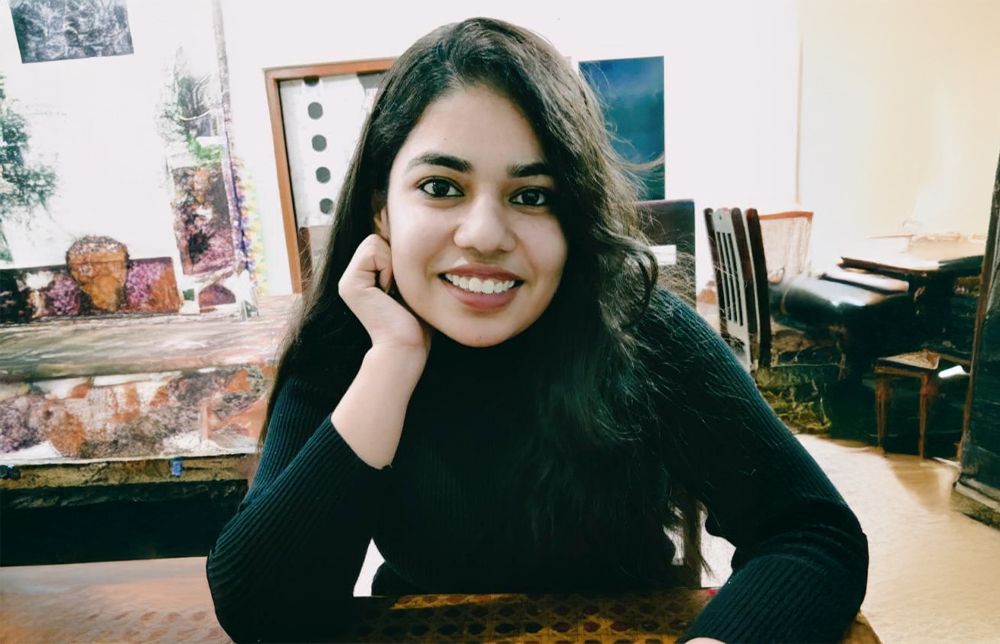


Preparing for GPAT can feel difficult when you have academic backlogs, limited resources, or doubts about your abilities. Vishal Garg faced these challenges during his pharmacy degree but continued working towards his goal of pursuing research. His efforts helped him secure All India Rank (AIR) 659 in GPAT 2026 with 247 marks.
Vishal prepared through PW’s GPAT online batches, using faculty guidance, mock tests, and extensive MCQ practice. His journey highlights how consistent preparation, revision, and learning from mistakes can help students move forward even when their academic journey has not been smooth.
Vishal Garg’s Journey From Academic Backlogs to GPAT 2026
Vishal was in the final year of his pharmacy degree when he began preparing seriously for GPAT 2026. His earlier academic experience had affected his confidence. He had two backlogs in his first semester, which made him question whether he could achieve his goals. Comments from other students also added to his doubts.
Over time, however, he met teachers who encouraged his curiosity and made him interested in exploring pharmacy subjects in greater depth. He began looking for opportunities to enter a good college and pursue research. When he came across PW’s GPAT batch, he eventually decided to enrol.
Vishal shared,
“First semester mein mere do back aa chuke the. Do back aane ke baad aap soch sakte hain ki preparation karne ka bilkul mann nahi karega. Bachche bhi bolte the, ‘Yeh kya kar payega?’ Mujhe bhi lagta tha ki nahi ho payega.”
He explained what gradually changed his mindset.
“Dheere-dheere kuch teachers aise mile jinhone meri curiosity badhai. Phir mera mann kiya ki ismein aur deep jaana chahiye aur koi achha college mil jaaye, jahan jaane ka raasta mil sake.”
His experience shows that early academic setbacks do not have to determine what a student can achieve later.
How Vishal Overcame Financial Challenges and Found His Motivation
Vishal came from a financially modest family in Gwalior. His father worked as a commission agent in the cloth market, and the family had lived in a rented house for a long time. These circumstances made affordable education important while he planned his preparation.
Vishal also shared that he had been living with asthma for 12 years. This personal experience influenced his interest in pharmacy and research, as he hoped to contribute to the development of medicines in the future.
His family continued encouraging him throughout his preparation and asked him not to give up because of financial concerns.
Vishal explained how his personal experience influenced his career interest,
“Mujhe 12 saal se asthma hai. Mujhe laga ki pharma mere liye achha hai, kyunki main apne liye kuch drug invent karke apne liye kuch banaunga. Isliye maine socha ki main ismein karunga, achha college milega aur wahan kuch achha kar sakta hoon.”
Talking about his father’s support, Vishal recalled his father’s words,
“Tu kar sakta hai. Paise ki chinta mat kar, hum toh poora provide karenge. Tu bas haar mat maan aur comfort zone se bahar nikal.”
His father’s encouragement helped Vishal keep working towards his goal despite the challenges he faced.
How PW’s GPAT Online Batches Helped Vishal Prepare
Vishal discovered PW’s GPAT batch during his final semester. He had previously studied with PW and found the batch affordable, which was an important consideration for him. Before enrolling, he watched the demo classes and felt that the teaching methods suited his learning needs.
He particularly appreciated the way the faculty explained subjects that could otherwise feel difficult to remember. Pharmacognosy became easier for him through story-based explanations and tricks. He also found the pharmacology classes helpful, while medicinal chemistry concepts and organic chemistry lessons supported his understanding of classifications and exam questions.
Vishal shared,
“Main apne final semester mein tha. Maine PW ka batch dekha. Woh mere liye kaafi affordable bhi tha, aur main pehle bhi PW se juda hua tha. Maine sabhi ke demo dekhe aur mujhe kaafi achha samajh mein aaya.”
He also explained how different teachers supported his preparation.
“Pharmacognosy ki aapki tricks mujhe bahut achhi lagi. Aap story jaisa samjhate the, toh achhe se clear ho jaata tha. Deepika ma'am ki Medicinal Chemistry classes mein structures bana-bana ke samjhaya tha, usse Pharmacology ki classification mein help mili. Pankaj Sir ke Organic Chemistry lectures se bhi mere kaafi questions ban gaye.”
He further mentioned that Pharmaceutics went particularly well for him. These subject-wise learning experiences helped him build confidence and prepare across different areas of the GPAT syllabus.
Vishal’s GPAT 2026 Preparation Strategy With Mock Tests and MCQs
Vishal relied heavily on practice and revision, especially during the final months before GPAT 2026. He used PW’s weekly and monthly tests to organise his revision and identify topics that needed more attention. He also attempted a mock test every day, generally following a fixed morning schedule.
Instead of simply completing a test and moving on, he reviewed questions he could not solve. When he struggled to understand a question, he referred to faculty explanations to clear his doubts. This process helped him practise a wider range of questions and recognise important topics within the extensive syllabus.
Vishal shared,
“Main din mein ek test zaroor deta tha, subah 10 baje se 12 baje tak. Test dekar bas chhod nahi deta tha. Jo questions nahi aate the, unko samajhta tha. Jo samajh nahi aate the, unke liye faculty toh thi hi, woh explain kar deti thi.”
He estimated that he practised around 15,000 MCQs during his preparation.
“Main lagbhag 15,000 MCQs practice kiye honge. Syllabus bahut vast hai, toh hum yeh nahi soch sakte ki poora syllabus ho jayega. Jo main topics hain, unko identify karna bhi zaroori hai.”
Vishal's approach highlights the importance of solving previous-year questions, revising high-priority topics, and analysing mistakes instead of focusing only on the number of tests attempted.
How Vishal Increased His Study Hours Before GPAT 2026
When the GPAT notification was released, Vishal felt nervous because the examination seemed close and he was unsure how he would cover the remaining syllabus. Instead of immediately trying to study for 10 to 12 hours a day, he increased his study time gradually.
He started by studying for around six hours daily and then extended his hours as he became more consistent. During the final month, he had built a routine of studying for approximately 10 hours a day. He also used PW’s marathon revision series to support his preparation.
Vishal explained,
“Jab exam ka notification aaya, toh nervous ho gaya tha. Lag raha tha ki exam bahut jaldi aa raha hai, ab kaise cover karenge? Lekin phir thaan liya ki ab karna toh hai hi.”
He described how his study routine developed over time.
“Shuru mein 6 ghante de raha tha. Phir dheere-dheere time badhaya. Ekdum se aisa nahi hoga ki aap 12 ghante padhne lag jao. Last ke ek month mein mera 10 ghante padhne ka routine ban gaya tha.”
This gradual increase helped him manage his time, revise more topics, and approach the final weeks with greater confidence.
Vishal’s Advice for Future GPAT Aspirants
Vishal's preparation experience offers several useful lessons for students planning to appear for GPAT. He emphasised regular mock tests, MCQ practice, revision, and gradually building a sustainable study routine. Since the syllabus is extensive, he also highlighted the need to identify important topics and use available preparation time wisely.
Students can use PW Pharma Books, relevant pharma books, previous-year questions, and practice tests to strengthen their understanding. However, completing resources should not replace reviewing incorrect answers and revising concepts that remain unclear.
Vishal's own experience also shows why students should avoid giving up because of academic backlogs or discouraging comments. His progress came through continued effort and a willingness to explore subjects in greater depth.
His journey from struggling with academic backlogs to securing AIR 659 in GPAT 2026 is a reminder that setbacks do not have to be permanent. With consistent practice, realistic planning, family support, and the right learning resources, students can continue working towards their academic and career goals.
PW’s Outshining GPAT Results


Have questions about your prep?
Our experts can answer all your questions


 Live & recorded classes available at easeDashboard for progress trackingLakhs of practice questions


