







GPAT 2026 Topper Yash Agrawal AIR 410: Success Story With PW
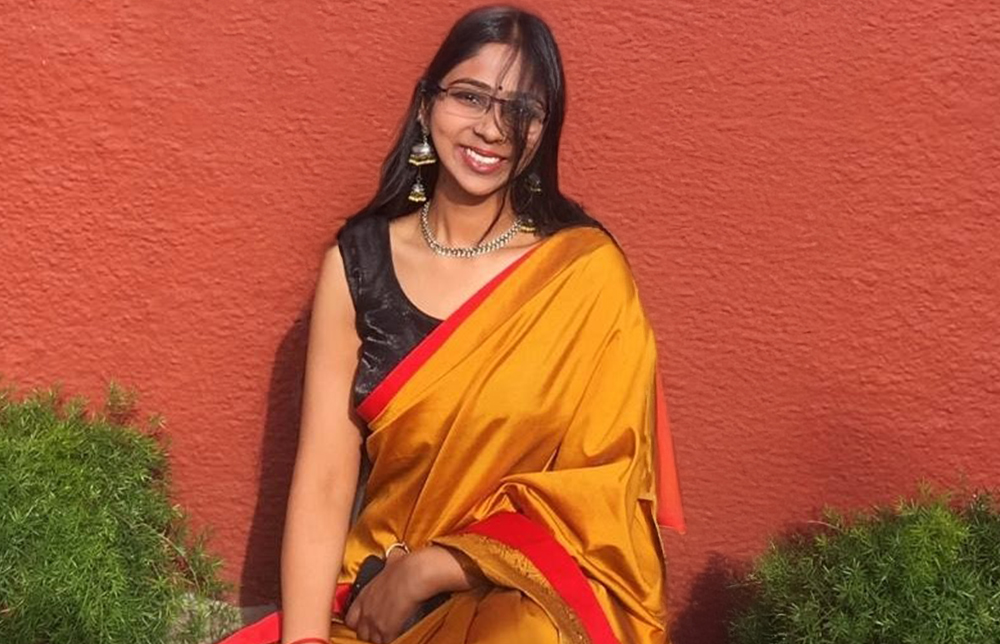
Yash Agrawal secured AIR 410 in GPAT 2026 while continuing his BPharm studies at Khyati College of Pharmacy, Ahmedabad.
Unlike students who start preparing only in the final year, Yash began his focused GPAT preparation in the third year itself. He built a strong base through standard books and then used revision, PYQs and MCQ practice to prepare for the exam.
Yash Started GPAT Preparation in His Third Year
Yash started his focused GPAT preparation around June of his third year. There was a short break during his fifth semester and internal exams, but he resumed preparation after that and continued regularly.
"Preparation ma'am maine last year June se start kiya tha. June-July around, beech mein thoda halt aa gaya tha college ke fifth sem ke exams aur internals ki wajah se. Uske baad maine catch up kar liya aur continuously prepare kiya."
He first focused on Pharmaceutics and Pharmaceutical Technology because he found the subject interesting. He then moved to Pharmacology and Pharmaceutical Chemistry while continuing revision of the subjects he had already studied.
Also, Read: GPAT 2026 Topper Aditya Jaiswal AIR 224 Success Story
Yash Built His Concepts With Standard Books
One of the important parts of Yash's GPAT preparation was building a strong academic base from the first year of BPharm.
He started referring to standard books during his first semester itself. This helped him develop a better understanding of the subjects before starting focused GPAT preparation.
"First year, first semester se hi maine kaafi achhi books ko refer karna start kar diya tha. Isse mera base kaafi strong ho gaya tha."
Yash also mentioned the books he used for different subjects, including standard references for Pharmacognosy, Pharmacology and Medicinal Chemistry.
According to him, students should not focus only on college exams. Building concepts from the first year can make competitive exam preparation easier later.
"Agar aap first year mein admission le rahe ho, toh wahin se quality study karna chalu kar do. Aap sirf college ko target mat karo. GPAT ke liye bhi dekhte jao."
Yash's Subject-Wise GPAT Preparation Strategy
Yash did not study all subjects in the same order. He started with the subjects he found interesting and gradually moved to other areas.
His preparation included:
-
Pharmaceutics and Pharmaceutical Technology
-
Pharmacology
-
Pharmaceutical Chemistry
-
Pharmacognosy
-
Biopharmaceutics
-
Medicinal Chemistry
-
Organic Chemistry
He also mixed subjects during preparation instead of studying only one subject for a long period.
"Ek subject se main bahut jaldi bore ho jaata hoon, toh main thoda variations se padh raha tha taaki brain mein kuch cheezein jaayein."
Focus on Pharmaceutics and Pharmacology
Yash started with Pharmaceutical Technology in Pharmaceutics and later moved towards Pharmacology.
In Pharmacology, he first worked on antimicrobial topics and then covered areas such as viral and fungal infections, CNS and ANS.
Some topics were already familiar to him because he had studied them earlier in college. He focused more on revision for those areas.
Medicinal Chemistry Was Initially Difficult for Yash
Medicinal Chemistry was one subject Yash initially found difficult. However, regular teaching and revision helped him become more comfortable with it.
"MedChem se ma'am shuru se dar tha, but jis type se padhaya gaya, kaafi achha laga. Samajh mein sab aa raha tha."
Organic Chemistry was different for him because it was already one of his stronger areas.
"Mera jo strong part tha Chemistry mein, woh Organic Chemistry tha. Shuru se hi mera strong tha."
This shows that Yash did not completely avoid subjects that seemed difficult. Instead, he worked on them while also using his stronger subjects to maintain confidence.
Yash Used PYQs in the Last 30–40 Days
Yash started solving GPAT Previous Year Questions (PYQs) during the last 30–40 days of his preparation.
By that stage, he had already completed a major part of his syllabus and had revised the topics once.
"Last ke 30–40 days ke beech mein maine PYQs lagana start kiya tha. Jab mera ek baar padhne ka aur ek baar revision bhi ho chuka tha."
PYQs helped him understand the type of questions asked in GPAT and identify gaps in his preparation.
"PYQs se concept clear ho raha tha ki GPAT mein kis type se questions pooch rahe hain. Usse mujhe kaafi help mili."
Along with PYQs, he also practised MCQs from PW's Antim Prahar series during the final stage of preparation.
How Yash Used PW for GPAT Preparation
Yash used PW's learning content and question practice as part of his GPAT preparation.
During the last 30 days, he watched the Antim Prahar sessions and practised the MCQs covered in them. This gave him additional question practice before the exam.
"Antim Prahar jo start hua tha, woh maine poora dekha tha. Uske jo MCQs the, woh practice kiye the. Last ke 30 days mein dono cheezon se mujhe kaafi help mili."
For students preparing for GPAT, using lectures for concept building and then moving towards question practice can help connect theory with exam-level questions.
Yash's Daily Self-Study Routine With College
Yash was attending college classes from around 9 AM to 4 PM. After reaching home at about 5:30 PM, he started his GPAT preparation around 6 PM.
He generally studied until 10 PM.
"Meri college classes 9 to 4 rehti hain. Main around 5:30 ghar pe aata hoon, toh 6 o'clock se baith jaata hoon aur 10 o'clock tak padhta hoon."
This gave him around four hours of self-study on regular college days.
His routine shows how he managed competitive exam preparation alongside his regular BPharm schedule.
Yash's GPAT Exam Experience
After appearing for GPAT 2026, Yash had mixed feelings about the paper.
He found the initial section moderate but felt that some of the later sections were more difficult. The final sections felt comparatively easier to him.
"Section A thoda moderate feel hua. B aur C ki taraf badhte hue kaafi tough feel ho raha tha. D aur E kaafi easy feel hue the. Toh kaafi mixed reaction tha."
He attempted around 75–80 questions, although he did not remember the exact number.
After checking the answer key, he was confident that he would qualify. However, he did not expect to secure AIR 410.
"Qualify jitna score toh aa jaayega, ye confidence tha. But 410 rank itne score pe aayegi, woh cheez mere ko nahi pata thi."
Yash Qualified GPAT 2026 in His Third Year
Yash's AIR 410 in GPAT 2026 came while he was still in his third year of BPharm.
For him, the result was also a way to understand where his preparation stood before completing his degree.
He had not expected such a rank and initially had not even told his parents. He planned to share the result with them personally when they returned home.
"Maine abhi tak parents ko bataya nahi hai. Woh 6 o'clock ko ghar par aayenge, toh main rubaru batana chahta hoon."
His parents had supported his preparation and had seen the effort he put into his studies.
What Yash Plans to Do After GPAT 2026
Yash is currently focused on completing his fourth year of BPharm and gaining practical experience through internships.
After completing his degree, he plans to prepare for the NIPER exam and pursue further studies.
"Abhi fourth year complete karna hai. Thoda practical knowledge gain karna hai internships wagairah karke. Uske baad NIPER next year."
His immediate focus is therefore on completing his graduation while continuing to prepare for his next academic step.
Yash's Advice to Future GPAT Aspirants
Yash believes students should start building their foundation from the beginning of BPharm rather than waiting until the final year.
His key advice is:
-
Start quality study from the first year.
-
Understand the GPAT exam early.
-
Refer to standard books to strengthen concepts.
-
Do not focus only on college examinations.
-
Revise topics regularly.
-
Solve PYQs after building a strong base.
-
Use MCQs to understand your weak areas.
-
Give time to difficult subjects instead of completely avoiding them.
-
Maintain consistency alongside college studies.
-
Use the final weeks for question practice and revision.
His preparation shows that students can begin competitive exam preparation gradually while continuing their college studies.
"Jab base strong hoga, tab aap aage kar sakte ho. Jab base weak hoga, toh aage bahut dikkat hogi."
For Yash, starting early gave him enough time to build his concepts before moving towards PYQs and MCQ practice.
Yash's Message to GPAT Aspirants
Yash's GPAT 2026 journey is a reminder that competitive exam preparation can be managed alongside college when students start early and remain consistent.
His strategy was simple: understand the syllabus, build concepts through standard books, revise regularly and practise questions closer to the exam.
"Aap start se hi quality study karna chalu kar do. Aap GPAT ko target rakho aur saath-saath preparation karte jao."
Starting preparation early also gave Yash the chance to qualify for GPAT in his third year and plan his next step towards NIPER.






Get Free Counselling Today
and Clear up all your Doubts
 Live & recorded classes available at easeDashboard for progress trackingLakhs of practice questions

