







Hospital Pharmacist vs Industrial Pharmacist: Career Growth, Salary & Future Scope
Hospital Pharmacists focus on patient care, medication management, and clinical services, while Industrial Pharmacists work in pharmaceutical manufacturing, quality control, research, and regulatory affairs. Industrial Pharmacy generally offers faster salary growth, whereas Hospital Pharmacy provides greater clinical exposure and direct patient interaction.

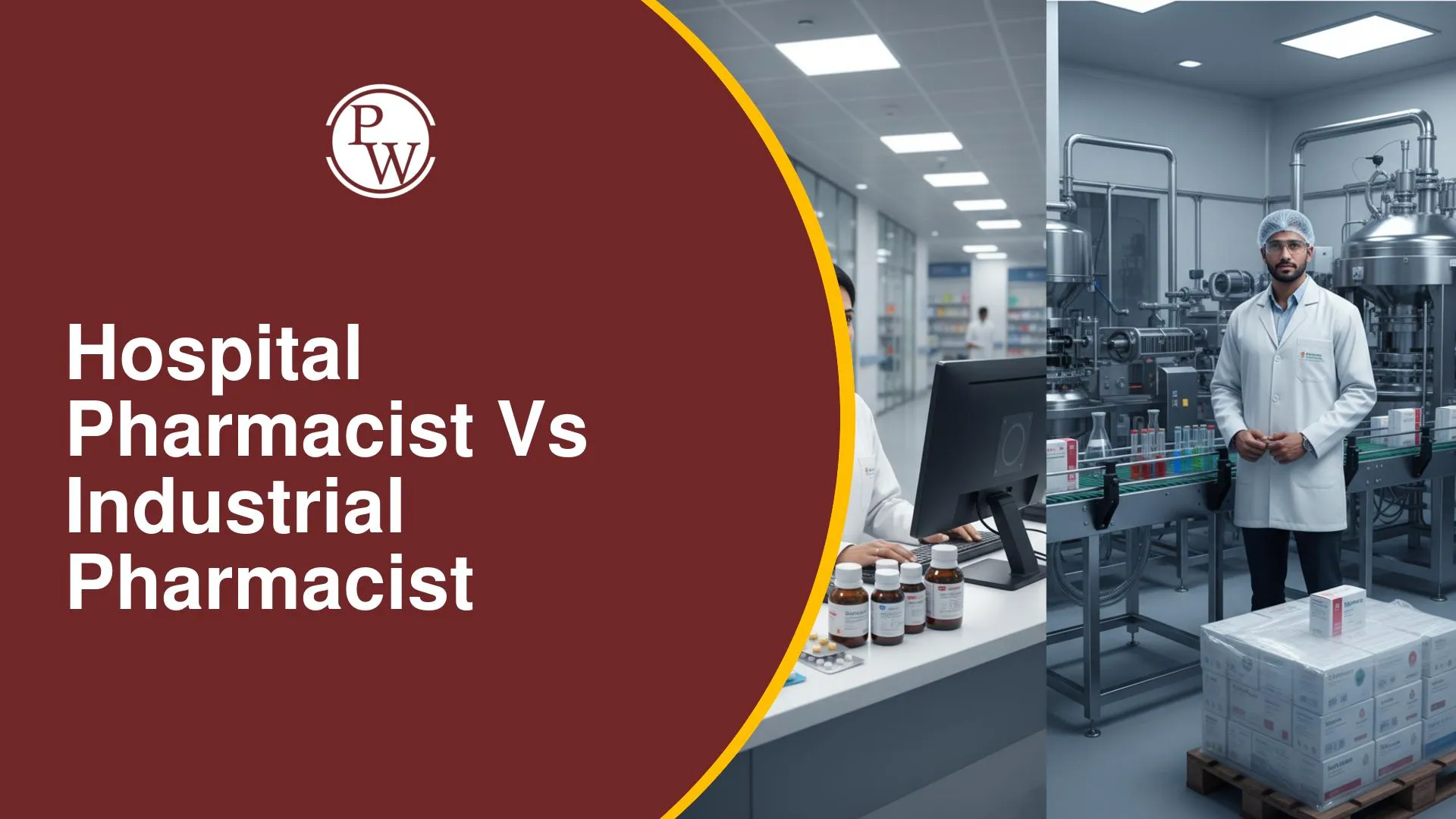
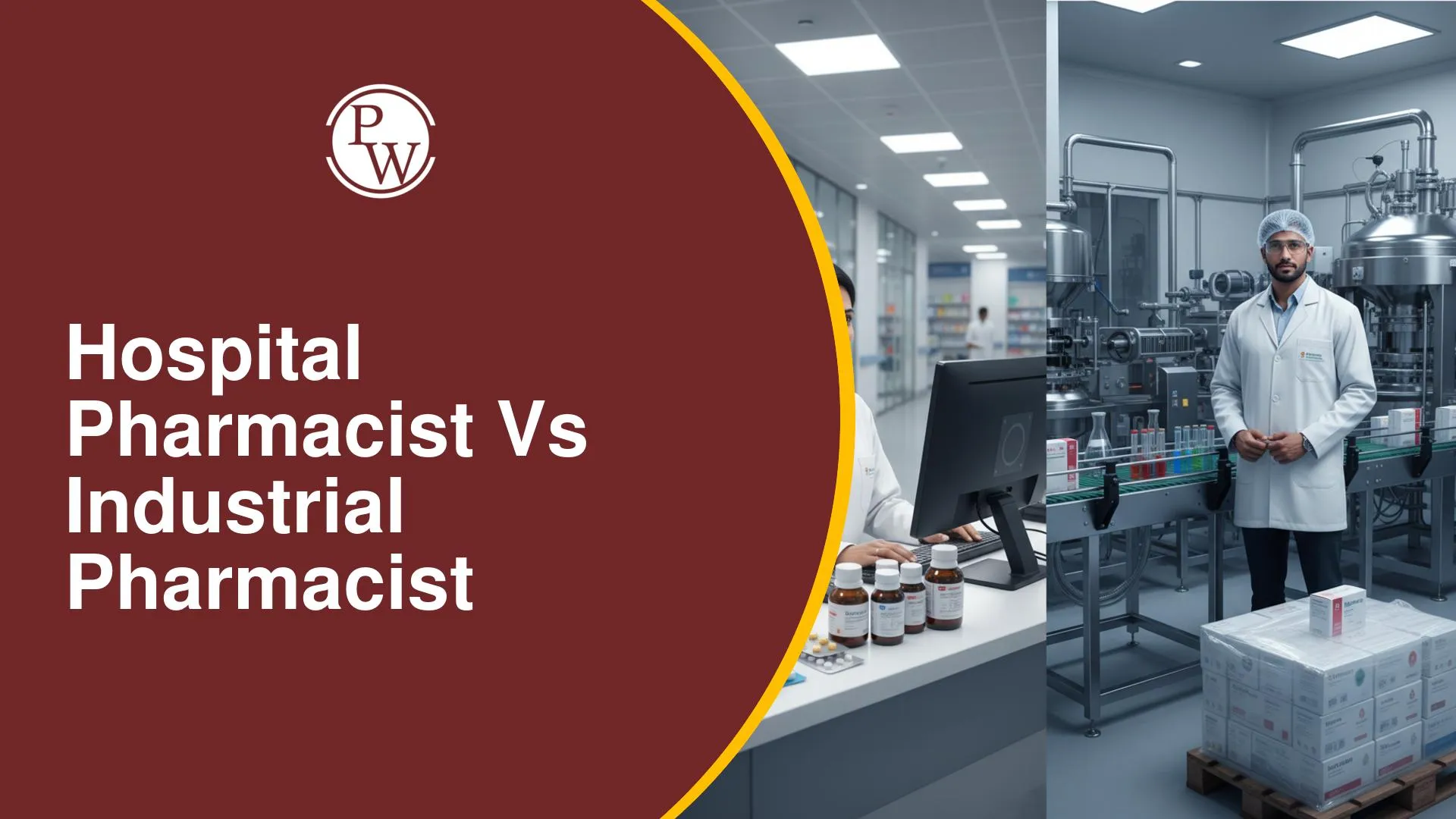
Pharmacy offers diverse career opportunities, with Hospital Pharmacist and Industrial Pharmacist being two of the most preferred career paths after a pharmacy degree. Although both professions are built on pharmaceutical knowledge, they differ in their work environment, day-to-day responsibilities, patient interaction, career progression, salary potential, and future opportunities.
Understanding these differences is essential for choosing a career that matches your interests, skills, and long-term professional goals.
Hospital Pharmacist vs Industrial Pharmacist: Key Differences
Before choosing between the two career paths, it is important to understand how they differ in terms of job role, work environment, salary, career growth, and required skills.
|
Parameter |
Hospital Pharmacist |
Industrial Pharmacist |
|
Primary Role |
Patient care & medication management |
Drug manufacturing & quality assurance |
|
Work Environment |
Hospitals & healthcare institutions |
Pharmaceutical companies |
|
Patient Interaction |
High |
Minimal |
|
Major Areas |
Dispensing, counselling, ADR monitoring |
Production, QA, QC, R&D, Regulatory Affairs |
|
Career Growth |
Clinical & hospital administration |
Corporate & manufacturing leadership |
|
Salary Growth |
Moderate |
Faster |
|
Government Jobs |
More opportunities |
Comparatively fewer |
What Does a Hospital Pharmacist Do?
Hospital pharmacists work as part of the healthcare team to ensure the safe and effective use of medicines for patients.
Major Responsibilities
-
Verify prescriptions and dosage.
-
Dispense medicines.
-
Counsel patients on medication use.
-
Monitor drug interactions.
-
Report adverse drug reactions (ADR).
-
Manage hospital medicine inventory.
Workplaces
-
Government hospitals
-
Private hospitals
-
Medical college hospitals
-
Community health centres
Skills Required
-
Pharmacology knowledge
-
Clinical understanding
-
Communication skills
-
Patient counselling
-
Medication management
Advantages
-
Direct patient interaction
-
Strong clinical exposure
-
Government job opportunities
-
High professional respect
Challenges
-
Rotational shifts
-
Emergency work pressure
-
Slower salary growth during the initial years
What Does an Industrial Pharmacist Do?
Industrial pharmacists work in pharmaceutical companies and are involved in medicine manufacturing, quality control, product development, and regulatory compliance.
Major Responsibilities
-
Production
-
Quality Control (QC)
-
Quality Assurance (QA)
-
Research & Development (R&D)
-
Regulatory Affairs
-
Pharmacovigilance
Workplaces
-
Pharmaceutical manufacturing companies
-
Research laboratories
-
Drug development centres
Skills Required
-
Good Manufacturing Practices (GMP)
-
Documentation
-
Technical knowledge
-
Analytical and problem-solving skills
Advantages
-
Higher salary potential
-
Faster career progression
-
International opportunities
-
Corporate work environment
Challenges
-
Production deadlines
-
Regulatory audits
-
Limited patient interaction
Hospital Pharmacist vs Industrial Pharmacist Salary
Salary is one of the biggest deciding factors while choosing a pharmacy career.
|
Experience |
Hospital Pharmacist |
Industrial Pharmacist |
|
Freshers |
₹15,000–₹35,000/month |
₹20,000–₹45,000/month |
|
Experienced |
₹40,000–₹80,000/month* |
₹50,000–₹1.5 lakh+/month |
*Government hospital positions generally offer better long-term pay and benefits.
Hospital Pharmacist vs Industrial Pharmacist Career Growth
Both career paths offer good growth opportunities, but the progression differs.
|
Hospital Pharmacy |
Industrial Pharmacy |
|
Pharmacist |
Trainee |
|
Senior Pharmacist |
Officer |
|
Chief Pharmacist |
Executive |
|
Hospital Administrator |
Manager |
|
— |
Plant Head |
Industrial Pharmacy generally offers faster promotions and higher earning potential, while Hospital Pharmacy provides greater clinical expertise and opportunities in healthcare administration.
Which Career Should You Choose?
Choose Hospital Pharmacy if you:
-
Enjoy interacting with patients.
-
Want a clinical healthcare career.
-
Prefer government job opportunities.
-
Are interested in medication management and patient counselling.
Choose Industrial Pharmacy if you:
-
Prefer working in pharmaceutical manufacturing.
-
Want faster salary growth.
-
Enjoy quality assurance, production, or research.
-
Aim for a corporate career with international opportunities.
FAQs
What are the key responsibilities of a Hospital Pharmacist?
What essential skills are required for an Industrial Pharmacist?
How do the initial salaries of Hospital and Industrial Pharmacists compare?
What are the main advantages of a career as an Industrial Pharmacist?





Get Free Counselling Today
and Clear up all your Doubts
 Live & recorded classes available at easeDashboard for progress trackingLakhs of practice questions

