What Is a Checking Account? Here's Everything You Need to Know
 Amit Lingwal27 Jun, 2025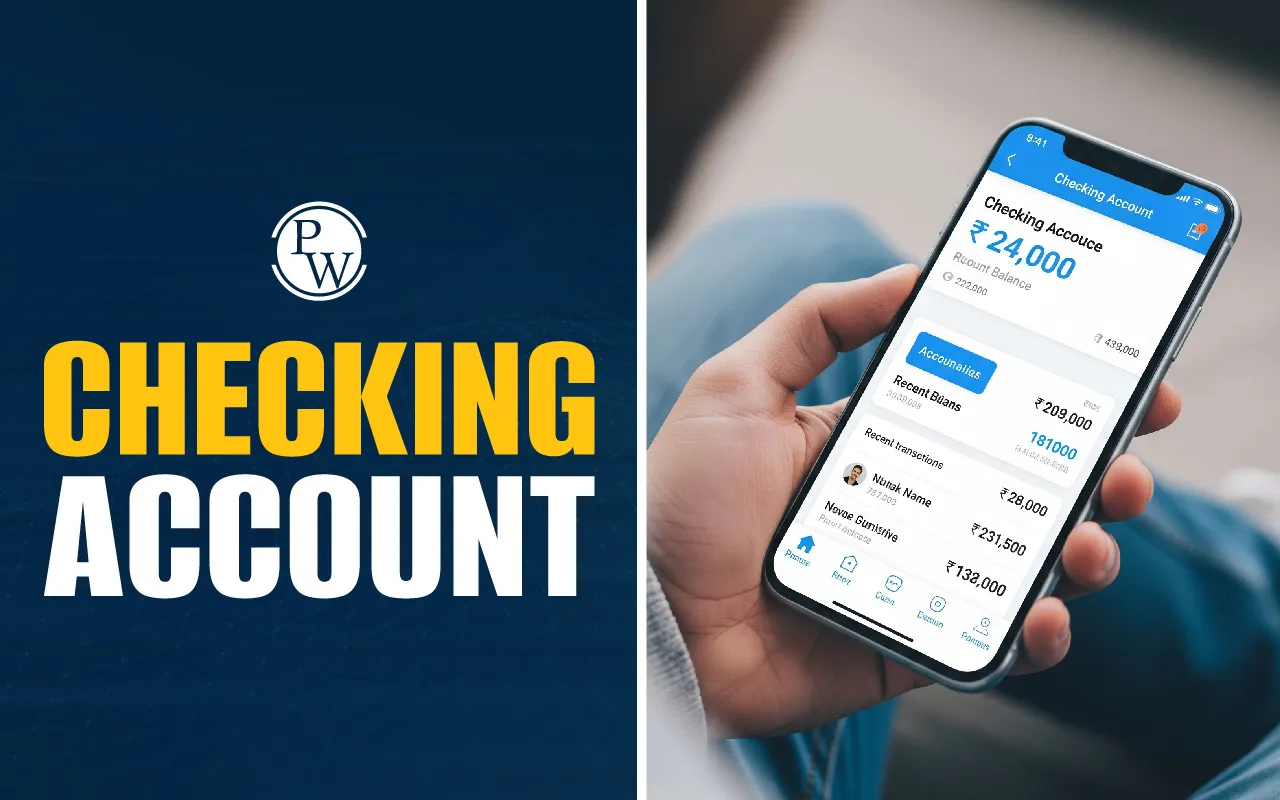
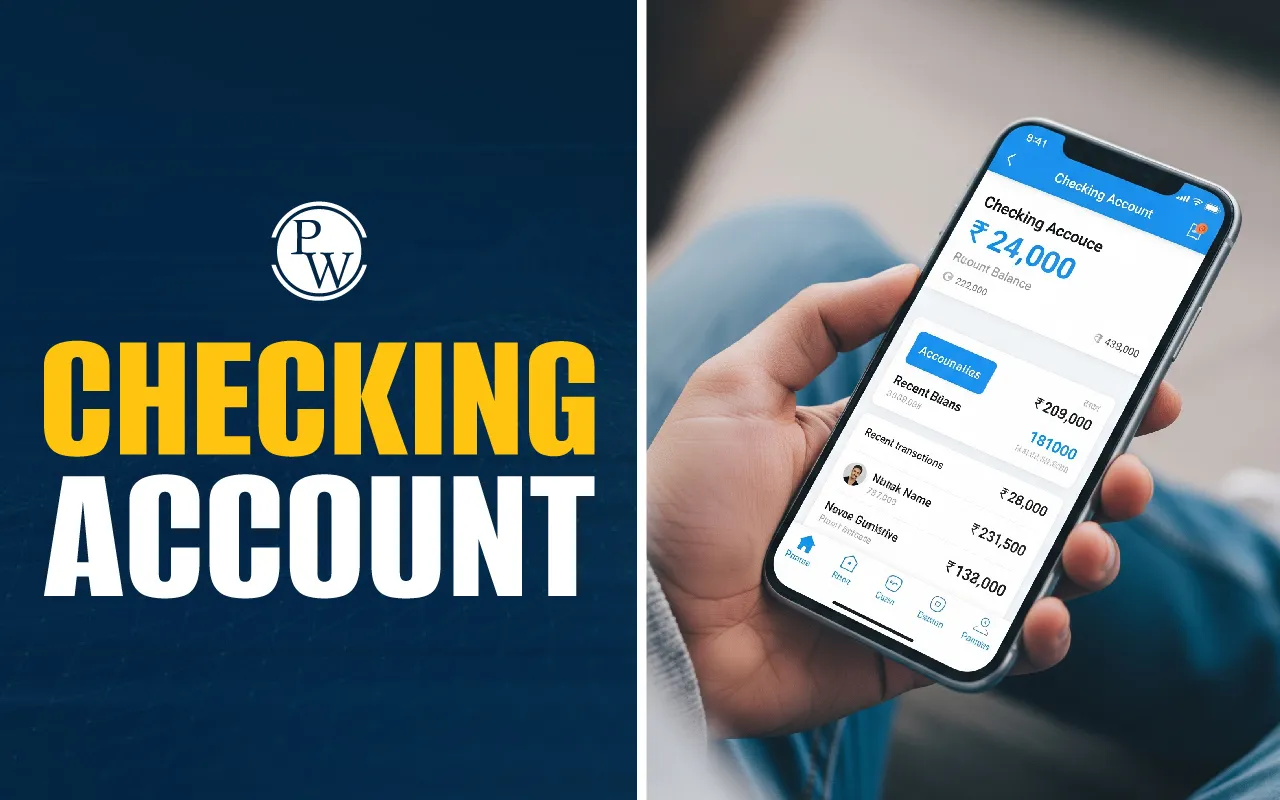
But what exactly is a checking account, and how does it work ? A checking account is a bank account that enables account holders to make deposits or withdrawals. It is a very liquid bank account designed for storing money to facilitate short-term payments or receipts.
In the world of personal finance, a checking account is a fundamental tool, serving as a gateway to managing your money, paying bills, and making everyday transactions.
Savings accounts impose restrictions on the number of transactions and deposits that account holders can perform each day, whereas checking accounts do not have such constraints, which makes them incredibly beneficial for businesses because of the high frequency of transactions they conduct daily.
What is a Checking Account?
At its core, a checking account is a transactional bank account designed for everyday use. It allows you to deposit funds, withdraw cash, and make payments to individuals or businesses. Unlike savings accounts, which are primarily designed for accumulating wealth, checking accounts are geared towards frequent transactions and easy access to your money.
Think of it as your financial hub. Money flows in through paychecks, transfers, or cash deposits, and money flows out through various methods like checks, debit cards, and online transfers. The bank keeps track of all these transactions, providing you with a detailed record of your account activity.
Key Features of a Checking Account:
Checking accounts offer a safe and convenient means to keep your money. They are viewed as a vital element in demonstrating your financial well-being since a checking account provides a recorded history of effectively handling your money and can assist with budgeting.
A checking account, or demand deposit account, allows you to deposit funds with your bank that you can later access or use checks and a debit card to make payments to others. It provides a safe location to keep your money and other payments received, allowing you to access and use these funds easily whenever necessary.
Deposit and Withdrawal
The primary function of a checking account is to allow you to deposit and withdraw funds easily. You can deposit cash, checks, or electronic transfers into your account. Withdrawals can be made through ATMs, over-the-counter transactions at the bank, or by using your debit card.
Debit Card
Most checking accounts come with a debit card, which allows you to make purchases at merchants that accept card payments. The funds are directly debited from your checking account.
Check Writing
As the name suggests, checking accounts allow you to write checks. While their use is declining, checks are still a convenient way to pay bills or send money to individuals.
Online and Mobile Banking
Modern checking accounts provide access to online and mobile banking platforms, allowing you to manage your account, view your balance, transfer funds, pay bills, and more, all from your computer or smartphone.
Bill Pay
Many banks offer bill pay services, enabling you to schedule recurring or one-time payments to your utility companies, credit card issuers, and other service providers directly from your checking account.
How a Checking Account Works
A checking account acts as a central hub for your money. You can deposit funds into the account through various methods, including cash deposits at a bank branch, electronic transfers from other accounts, and direct deposits from your employer. Once the money is in your account, you have several ways to access it.
One of the most common ways to use a checking account is through writing checks. Debit cards offer another convenient way to access your funds. When you use your debit card, the purchase amount is directly debited from your checking account. This happens electronically, making transactions quick and easy.
Online banking and mobile apps provide further control over your checking account. You can use these platforms to transfer money between accounts, pay bills electronically, and monitor your account balance and transaction history. This digital access provides a transparent view of your financial activity.
Banks use sophisticated systems to track all these transactions. Every deposit and withdrawal is recorded, and your account balance is updated accordingly. Banks also employ security measures to protect your account from unauthorized access and fraud.
-
Opening an Account: To open a checking account, you'll need to visit a bank or credit union (or apply online) and provide personal information, such as your name, address, Social Security number (or Tax ID), and a valid form of identification. You'll also need to make an initial deposit to activate the account.
-
Making Deposits: You can deposit funds into your checking account in several ways:
-
Direct Deposit: Have your employer or other income source directly deposit funds into your account.
-
Mobile Deposit: Use your bank's mobile app to scan checks and deposit them electronically.
-
ATM Deposit: Deposit cash or checks at an ATM.
-
In-Person Deposit: Visit a bank teller to deposit cash or checks.
-
Making Payments: You can make payments from your checking account using:
-
Debit Card: Use your debit card for purchases at merchants.
-
Check Writing: Write a check and mail it to the payee.
-
Online Bill Pay: Use your bank's online bill pay service to schedule payments.
-
Electronic Funds Transfer (EFT): Transfer funds electronically to another bank account.
-
Tracking Transactions: Your bank will provide you with a statement, either online or via mail, which details all transactions in your account during a specific period. You can also track your transactions through your bank's online and mobile banking platforms.
-
Maintaining a Balance: It's essential to maintain a sufficient balance in your checking account to avoid overdraft fees. Overdraft fees occur when you attempt to make a payment that exceeds your available balance.
Types of Checking Accounts:
There are various types of checking accounts available, each catering to different needs and preferences. Here are some common types
-
Traditional Checking Account: This is the most basic type of checking account, offering standard features like a debit card, check writing, and online banking.
-
Interest-Bearing Checking Account: This type of account pays interest on your balance, although the interest rates are typically low. It's a good option if you maintain a higher balance in your checking account.
-
Student Checking Account: Designed for students, these accounts often have lower fees and minimum balance requirements.
-
Senior Checking Account: Geared towards seniors, these accounts may offer special benefits such as free checks or discounted fees.
-
Online Checking Account: Offered by online banks, these accounts typically have lower fees and higher interest rates compared to traditional brick-and-mortar banks.
-
Second Chance Checking Account: These accounts are designed for individuals with a poor banking history, making it easier for them to re-establish a banking relationship. They often come with higher fees and restrictions.
How to Choose the Right Checking Account:
Checking Accounts have various featires. It totally depends on individual'a choice. So to select the checking account one ha s to consider all the factors and then opt for it. Selecting the right checking account depends on your individual needs and circumstances. Consider the following factors:
-
Fees: Look for accounts with low or no monthly maintenance fees, ATM fees, and overdraft fees. Some banks waive monthly fees if you meet certain requirements, such as maintaining a minimum balance or setting up direct deposit.
-
Interest Rates: If you plan to maintain a higher balance in your checking account, consider an interest-bearing account.
-
ATM Access: Check the bank's ATM network to ensure convenient access to cash.
-
Online and Mobile Banking: Make sure the bank offers robust online and mobile banking platforms with features that meet your needs.
-
Minimum Balance Requirements: Consider the minimum balance requirements and whether you can comfortably maintain that balance.
-
Overdraft Protection: Explore the bank's overdraft protection options, such as linking your checking account to a savings account or line of credit.
-
Customer Service: Research the bank's customer service reputation and ensure it offers convenient support channels.
A checking account is an indispensable tool for managing your finances efficiently. By understanding its features, types, and how to choose the right one, you can make informed decisions and maximize the benefits of this essential banking product.
Build Your Career in PW Certification Program in Banking, Financial Services & Insurance
Unlock opportunities in the Banking, Financial Services & Insurance sector with PW’s dedicatedly designed certification program. Learn core banking, soft skills, and interview preparation through live classes, dedicated mentorship, and real-world case studies.
Checking Account FAQs
What qualifications are required to become a Probationary Officer in a private bank?
How can I prepare for the aptitude test conducted by private banks?
What are the common interview questions asked during private bank recruitment?
Do private banks offer training programs for recruits?




 Live & recorded classes available at easeDashboard for progress trackingLakhs of practice questions