







Google Ads Brings AI-Powered Testing to Budgets, Bids and Campaign Changes

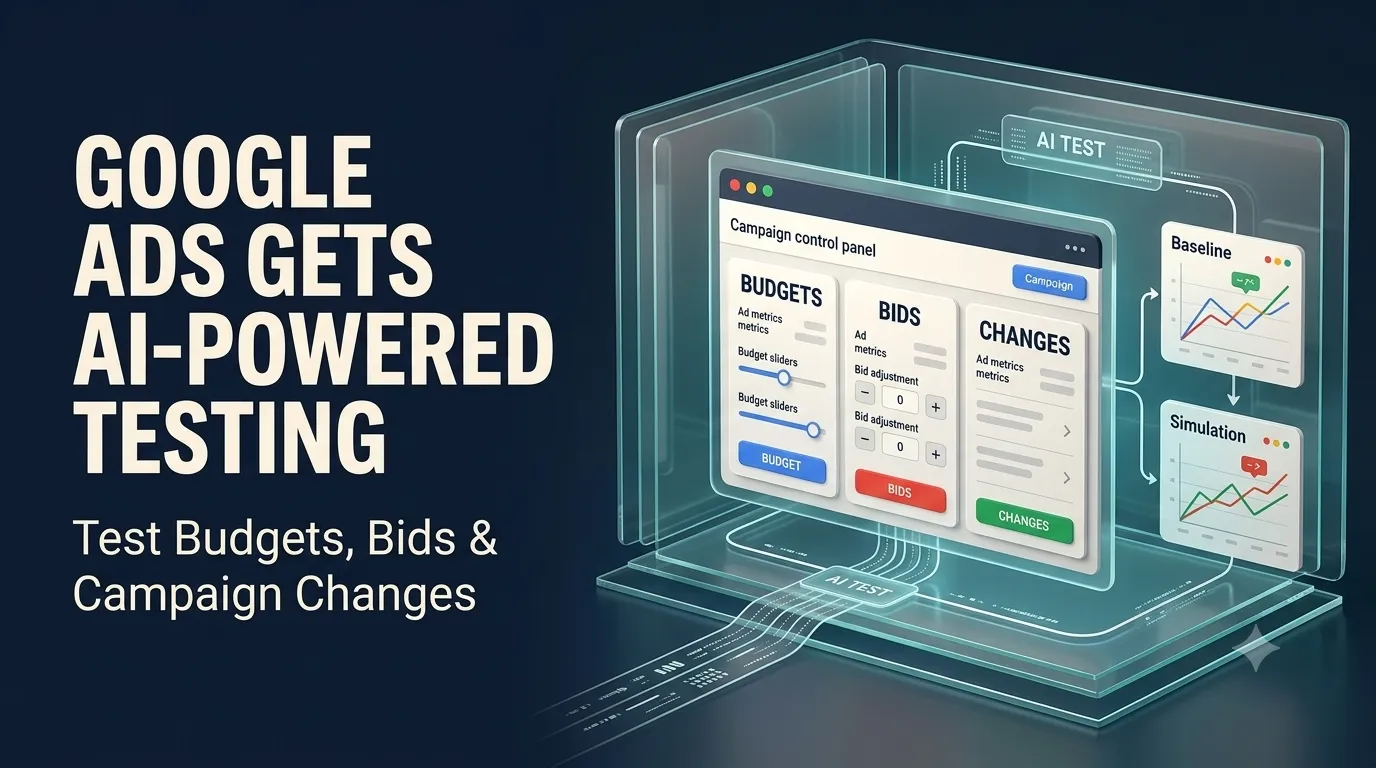
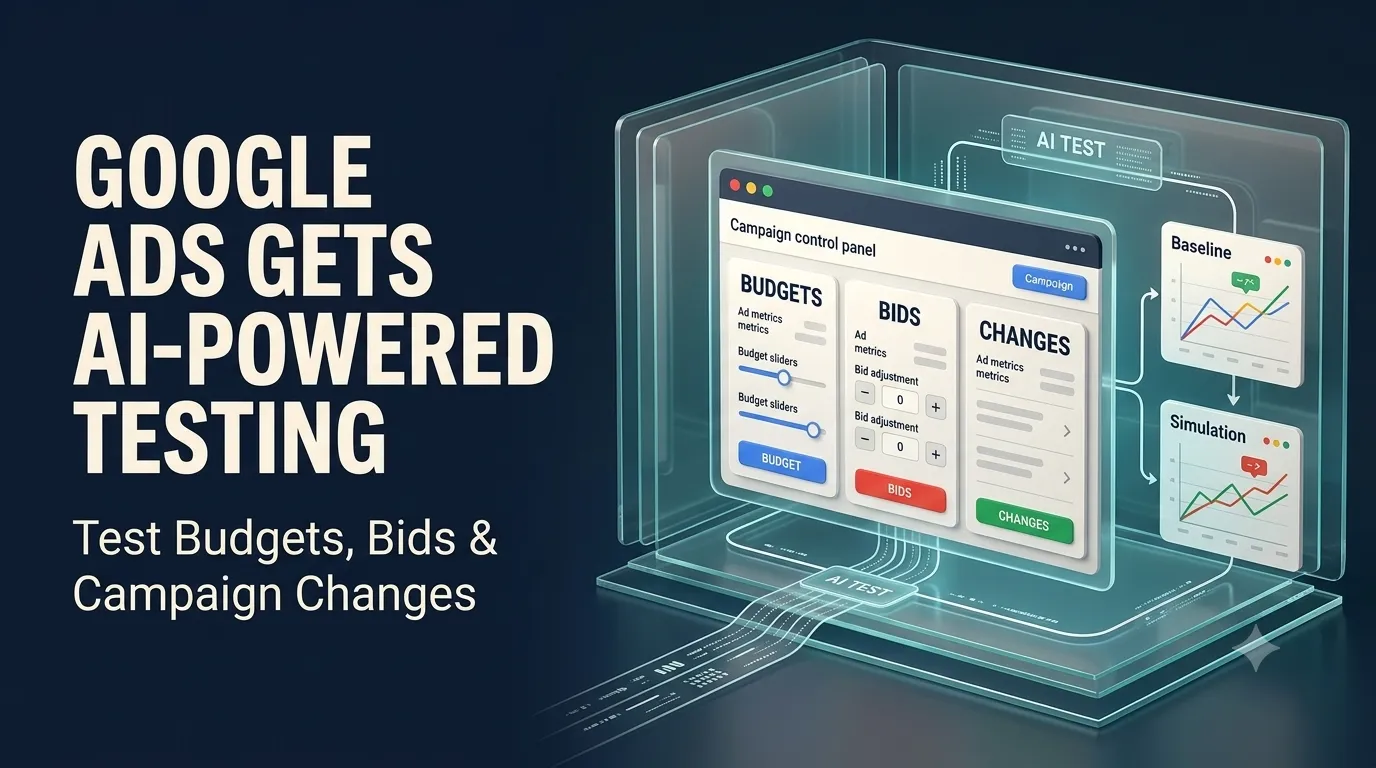
Google is giving advertisers more ways to experiment with campaign budgets, ROI targets and AI-powered Search campaigns before making wider changes.
The new tools add A/B testing options to AI Max and expand Performance Planner, allowing advertisers to examine potential campaign changes and decide how they want to apply them.
Google Ads Makes Budget Experiments Easier to Run
Google is introducing a new way to test different budgets and ROI targets across multiple Search campaigns within a single A/B test. The feature is designed to help advertisers measure how scaling their campaigns could affect performance before making broader changes.
The testing capability is rolling out in September as part of Google’s latest AI Max updates.
The experiment is designed to let advertisers evaluate budget and ROI changes before rolling them out more broadly.
Working with campaign results at this level also makes data analysis and AI-assisted performance measurement increasingly important, particularly when marketers need to identify patterns, compare campaign results and make decisions based on performance data.
AI Max Tests Get More Room to Experiment
Google is also adding more flexibility to AI Max experiments. Advertisers can now run tests while keeping specific brand and location controls enabled.
These controls act as campaign guardrails, allowing advertisers to experiment with AI Max without removing settings that are already part of their campaign strategy.
Advertisers can test AI Max while keeping existing brand and location restrictions in place.
Performance Planner Turns Campaign Forecasts Into Action
Google is expanding Performance Planner so advertisers can see how changes such as bidding or budget targets may affect existing campaign performance.
Once they review the suggested changes, advertisers can apply them directly to their campaigns with a single click.
Performance Planner now connects campaign forecasting with direct implementation, reducing the steps between reviewing a change and applying it.
As more campaign decisions involve automated analysis and recommendations, AI-assisted research, optimisation and decision-making are becoming increasingly relevant skills for digital marketers.
AI Max Is Moving Further Into Google Search Campaigns
The new testing tools arrive as Google continues expanding AI Max across Search campaigns. Google says AI Max has moved out of beta, while several existing Search features are being brought into the newer AI-powered system.
Google also reports that, for non-Retail advertisers, using the full AI Max feature set produced an average 7% increase in conversions or conversion value at a similar CPA or ROAS, compared with search term matching alone. The figure comes from Google's internal 2026 data.
Google reports a 7% average increase in conversions or conversion value at similar CPA or ROAS for the full AI Max feature set among non-Retail advertisers.
Because these figures depend on campaign data and performance measurement, marketers also need to understand how to analyse marketing data and generate actionable insights rather than relying solely on automated recommendations.
How Google Is Making Campaign Data Easier to Understand
The changes extend beyond campaign testing. Google is also adding AI-powered features that help marketers interpret advertising data, including performance summaries and visual reports generated from text prompts.
These tools are intended to make it easier to move from raw campaign data to a clearer view of what is happening.
Some of the newer capabilities include:
-
AI-generated performance summaries
-
Visual reports created from text prompts
-
Benchmarking against anonymised data from similar businesses
Google is using AI not only to optimise campaigns, but also to help advertisers interpret the data behind those campaigns.
This shift is making AI increasingly relevant across the marketing workflow, from campaign execution to reporting and analysis. Marketers can also benefit from data visualisation and dashboard-building skills when presenting campaign performance and communicating insights to stakeholders.
What These New Tools Mean for AI-Powered Campaign Planning
Google's latest updates give advertisers more ways to test budgets and ROI targets, maintain campaign controls during AI Max experiments and preview the potential impact of bidding or budget changes.
Instead of making every adjustment directly on a live campaign, advertisers can increasingly use experiments and planning tools to evaluate changes first.
Together, these updates give advertisers more ways to test, measure and review AI-driven campaign changes before putting them into wider use.




Get Free Counselling Today
and Clear up all your Doubts
 Live & recorded classes available at easeDashboard for progress trackingLakhs of practice questions


