







Google Ads Just Changed How Marketers Can Measure Campaign Performance in the AI Era

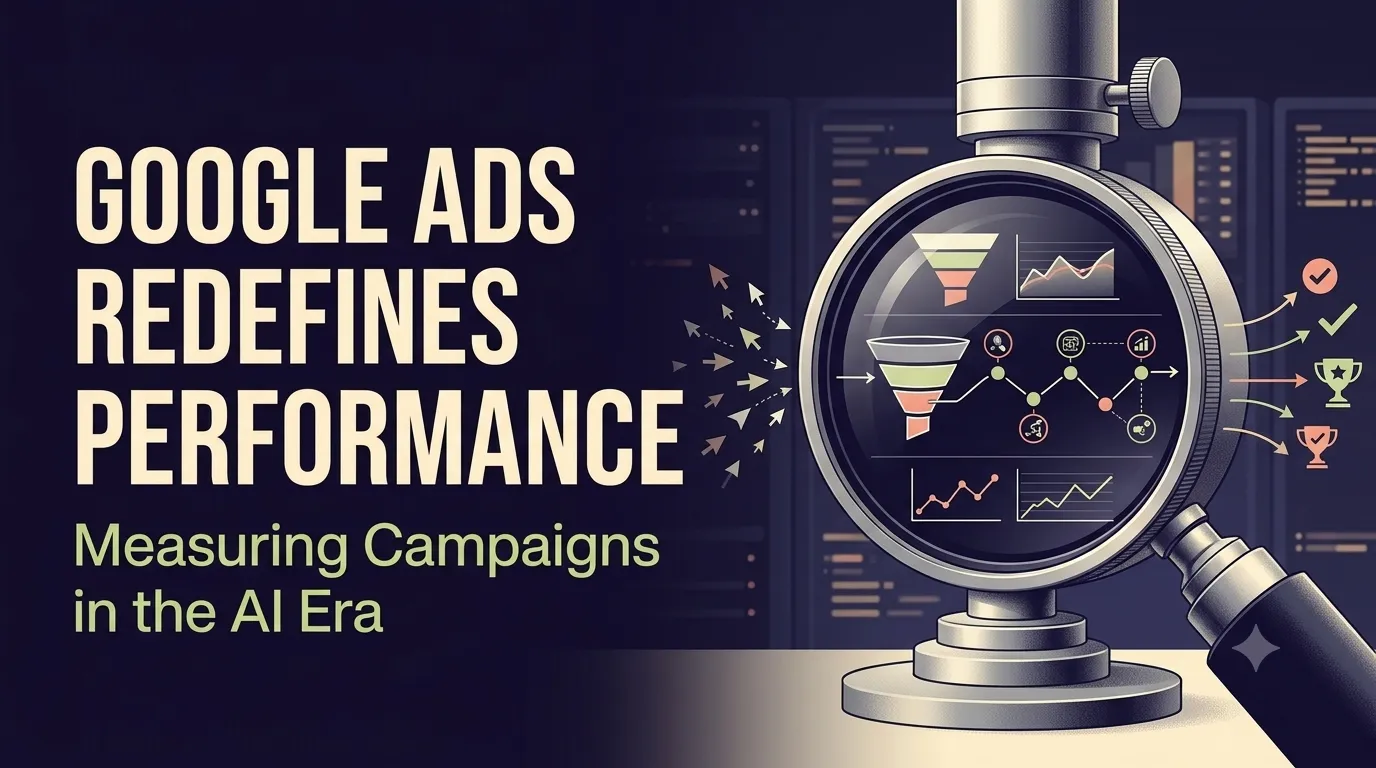
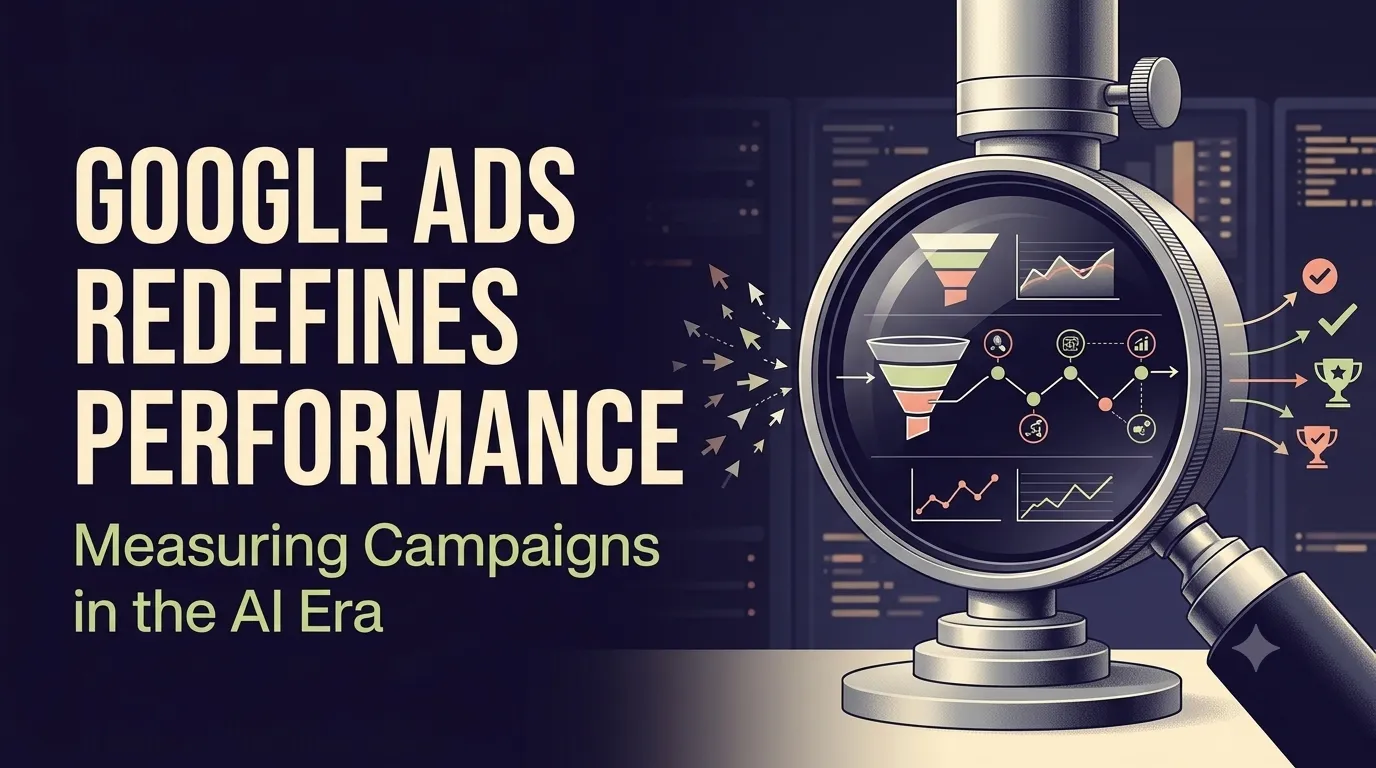
Google is introducing new measurement capabilities in Google Ads to help businesses make better use of first-party data, understand campaign performance and measure the real-world impact of their marketing investments.
The updates were announced on September 10, 2026, as Google looks to build a measurement system designed for an AI-driven advertising environment. The company says the approach focuses on three areas: a stronger data foundation, multiple performance signals and causal evidence of business impact.
Google Ads Gets a New Data Strength Uplift Metric
One of the key additions is the Data Strength Uplift Metric, which is designed to estimate the additional conversions recovered through an advertiser's first-party data setup.
The new metric is intended to help advertisers understand whether strengthening their data foundation is improving conversion performance.
Google reports that advertisers using Google Tag Gateway to build data strength observed an average 14% conversion uplift, while Demand Gen campaigns saw an uplift of more than 20%. These figures are based on Google's own data and are not a guarantee of results for individual campaigns.
The update also highlights the growing connection between AI and data analytics in digital marketing:
-
Better first-party data can provide stronger signals for campaign optimisation.
-
AI is increasingly being used to analyse customer and conversion data.
-
Marketers need to understand how data is collected, analysed and converted into actionable insights.
As AI takes on more campaign optimisation, the quality of the data behind those decisions is becoming increasingly important. This makes understanding how AI can be used to analyse marketing data a growing part of modern digital workflows.
Why First-Party Data Is Becoming More Important for AI-Powered Campaigns?
Google is also integrating Data Manager directly into Google Analytics and Display & Video 360, making it easier for advertisers to manage and activate first-party data across these platforms.
The company says advertisers connecting offline and app data to Data Manager see an average 26% increase in incremental ROAS. Google is also bringing enhanced conversions to Google Analytics and Display & Video 360.
The update reflects the growing importance of first-party data as AI takes on a larger role in campaign optimisation.
For digital marketers, this makes areas such as conversion tracking, audience data and using AI to improve campaign performance increasingly relevant. As these capabilities become more closely connected, the broader shift toward AI-assisted marketing is becoming more evident.
Google Upgrades Meridian for Marketing Measurement
Google is also updating Meridian, its open-source Marketing Mix Model (MMM), with new capabilities designed to make marketing measurement more efficient and data-driven.
The latest improvements include:
-
Agentic capabilities for data-quality audits, error resolution and model building
-
Backend improvements intended to make Meridian analyses faster and more efficient
-
Support for brand signals such as Branded Google Query Volume
These updates can help advertisers look beyond direct conversions and examine the broader impact of brand-building campaigns, including upper-funnel video and TV advertising.
Google is moving measurement beyond individual conversion metrics toward understanding the wider business impact of marketing activity.
The Meridian update also highlights the growing overlap between marketing and data science, with AI increasingly being used to process data, build models and support analytical workflows. These developments also reflect the growing role of generative AI in data-driven problem-solving in modern workflows.
Can Meridian GeoX Help Advertisers Measure Real Campaign Impact?
Google has also made Meridian GeoX generally available globally. GeoX is an open-source library for running causal geo-experiments across advertising platforms.
These experiments can help advertisers compare test and control regions to investigate whether marketing activity is generating incremental results.
The focus is shifting from simply assigning credit to campaigns toward measuring whether advertising actually caused additional business results.
What Google’s New Measurement Updates Mean for Digital Marketers
Google's latest updates show how advertising measurement is changing as AI becomes more involved in campaign optimisation.
The new capabilities bring together first-party data, performance measurement, marketing modelling and causal experimentation. Rather than relying on a single metric, advertisers can use different forms of evidence to understand campaign performance and business impact.
For marketers and analysts, the update reinforces the growing importance of combining digital marketing knowledge with data and AI skills as advertising platforms become increasingly automated.




Get Free Counselling Today
and Clear up all your Doubts
 Live & recorded classes available at easeDashboard for progress trackingLakhs of practice questions


