






PW Class 6 Social Science Notes Chapter 10: Grassroots Democracy – Part 1 Governance

Living together in a society requires common rules, fair decisions, and systems that can address the needs of people. Governance provides the framework for this by helping maintain order, manage public resources, resolve conflicts, and provide essential services. Democracy further connects people with these processes by giving citizens a role in choosing their representatives.
The chapter also takes you closer to grassroots democracy, where local bodies such as Panchayats deal with matters that directly affect village life. Along with these ideas, you learn about the three organs and three levels of government, the importance of elections, and the life and vision of Dr. A. P. J. Abdul Kalam.
Important Terminologies
The chapter begins with ideas that connect governance with justice, equality, and responsibility.
“rājānam dharmagoptāram dharmo rakṣhati rakṣhitah”
“The ruler protects dharma, and dharma protects those who protect it.”
— The Mahābhārata
“There is no peace without justice; no justice without equality; no equality without development; no democracy without respect to the identity and dignity of cultures and peoples.”
— Rigoberta Menchú Tum
Introduction to Governance
Governance is the process of creating and enforcing rules to maintain order in society.
It helps ensure that people follow the same rules so that they can live together harmoniously. Without governance, there would be disorder and confusion, making society difficult to manage.
Why Is Government Important?
Governments have several responsibilities that help society function effectively.
-
They make laws, maintain law and order, and resolve conflicts.
-
They manage public resources and provide essential services such as education, healthcare, and infrastructure.
-
They ensure fairness and help protect people’s rights and responsibilities.
What Is Democracy?
Democracy allows citizens to participate in decision-making by electing representatives.
These elected representatives discuss and create laws on behalf of the people. In a democracy, power rests with the people, making it a government of the people, by the people, and for the people.
What Is the Role of Panchayats?
Panchayats are local governing bodies in villages that deal with community-level issues.
Their responsibilities include:
-
Managing resources
-
Improving local infrastructure
-
Addressing the needs of the people
-
Allowing villagers to participate directly in governance
Through Panchayats, villagers can take part in decisions that affect their daily lives.
What Does the Sarpanch Do?
The Sarpanch is the elected leader of the Panchayat and plays an important role in local governance.
The Sarpanch:
-
Works to solve village problems
-
Manages resources
-
Ensures the well-being of the community
-
Takes part in decisions related to village development
-
Addresses public concerns
What Are the Three Organs of Government?
The government is divided into three organs, each with a different function.
-
Legislature
The Legislature makes and updates laws and ensures that they reflect the needs of society.
-
Executive
The Executive implements and enforces the laws made by the Legislature.
-
Judiciary
The Judiciary interprets laws, resolves disputes, and ensures that justice is served.
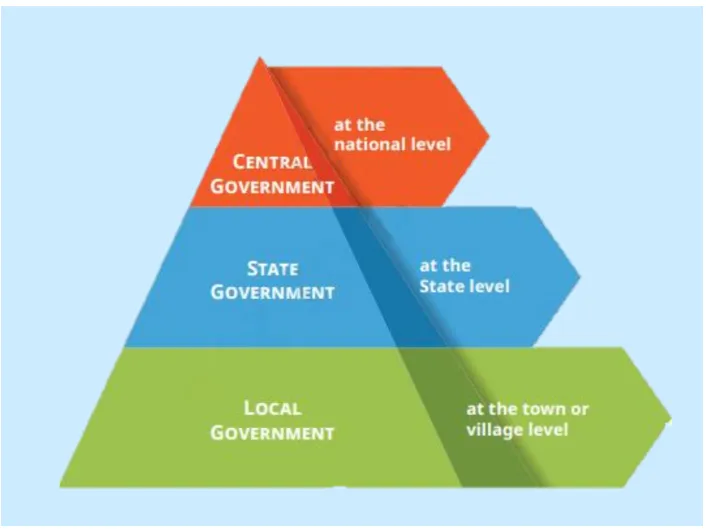
What Are the Three Levels of Government?
Government works at three different levels to deal with matters ranging from local concerns to national issues.
-
Local Government
The Local Government manages issues at the village or town level, such as water supply and sanitation.
-
State Government
The State Government handles matters within a state, including law enforcement, education, and healthcare.
-
Central Government
The Central Government deals with national-level matters such as defence, foreign policy, and economic planning.
Why Are Elections Important?
Elections give people the opportunity to choose their representatives at the local, state, and national levels.
The elected representatives are responsible for making decisions that benefit their communities. Through elections, citizens have a say in how they are governed and who represents them.
How Does Local Governance Work?
Panchayats and Gram Sabhas, or village assemblies, help ensure that local decisions are made with community involvement.
Local governance focuses on the specific needs of a village. Issues such as local development, water management, and public services can be discussed and decided at the village level.
Why Is Grassroots Democracy Important?
Grassroots democracy gives ordinary people an opportunity to take part in local governance.
It ensures that decisions affecting daily life are made with input from the community. By involving citizens directly in decision-making, grassroots democracy strengthens the connection between people and their government.
Dr. A. P. J. Abdul Kalam
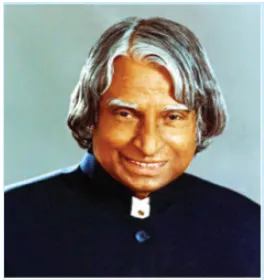
Dr. A. P. J. Abdul Kalam was a great leader who had a significant impact on India’s development. Known as the “Missile Man of India,” he contributed immensely to India’s space and missile programmes.
He served as the 11th President of India from 2002 to 2007. Despite holding such a high position, he remained humble and deeply connected with people, especially the youth.
Dr. Kalam believed in the power of education and innovation. He encouraged young Indians to dream big and work hard. His life and work continue to inspire millions, and he is remembered for his dedication to the nation and his vision for a developed India.
CBSE Class 6 Social Science Chapter 10 Notes PDF
Download the Grassroots Democracy – Part 1 Governance notes PDF to revisit the chapter’s concepts on governance, democracy, Panchayats, elections, government organs and levels, grassroots participation, and Dr. A. P. J. Abdul Kalam.
CBSE Class 6 Social Science Notes Chapter 10: Grassroots Democracy – Part 1 Governance
Download and Read without Internet
Why Choose Physics Wallah Notes for Grassroots Democracy – Part 1 Governance?
These notes bring the chapter’s major ideas together so you can return to specific concepts during revision.
-
Governance: Recall why societies need rules and how governance helps maintain order.
-
Democracy: Revise the role of citizens and elected representatives in decision-making.
-
Panchayats and Sarpanch: Revisit the functions of village-level governance and the responsibilities of the Sarpanch.
-
Government structure: Review the three organs and three levels of government.
-
Elections and grassroots democracy: Refresh how elections give people a say and how local participation strengthens democracy.
-
Dr. A. P. J. Abdul Kalam: Revisit his contribution to India, his presidency, and his message to young Indians.
Governance shapes how a society makes rules, manages resources, protects rights, and addresses public needs. The chapter connects these wider ideas with democracy and local participation through Panchayats, Gram Sabhas, and elections. It also presents Dr. A. P. J. Abdul Kalam as an example of leadership, education, innovation, and dedication to the nation.