PW Class 6 Social Science Notes Chapter 12: Grassroots Democracy – Part 3 Local Government in Urban Areas

As towns and cities grow, managing everyday needs requires local bodies that can respond to issues within their own areas. Water supply, roads, cleanliness, street lights, parks, and other basic services are handled through urban local self-government. These bodies also give people an opportunity to choose their local representatives and participate in governance.
Physics Wallah Class 6 Social Science Notes bring the chapter’s main concepts together for revision. You can learn about urban local bodies, the way cities are divided into wards, how Councillors are elected, the roles of Mayors and Chairpersons, the functions and income sources of these bodies, and how local governance supports democracy.
What Is Urban Local Self Government?
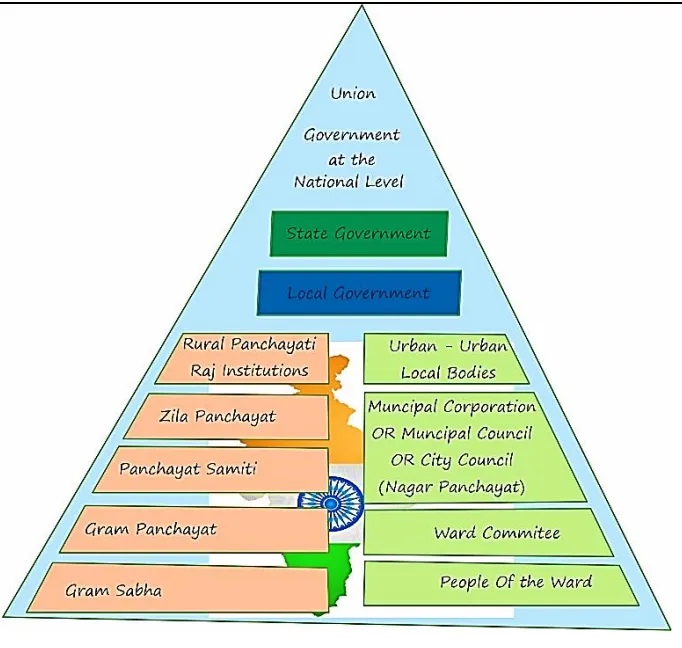
Urban local self-government refers to local self-government in towns and cities. It looks after local needs and problems and helps manage services within urban areas.
The chapter distinguishes between local bodies in rural and urban areas:
-
Panchayats → Villages
-
ULBs → Towns and cities
Why Is Urban Local Self Government Important?
Urban local bodies help towns and cities respond to the needs that arise as populations and communities grow.
Their importance includes:
-
Managing the growing population in cities
-
Solving local issues quickly
-
Providing basic services such as water, roads, cleanliness, lights, and parks
-
Allowing people to elect local leaders
-
Strengthening democracy at the local level
What Are the Types of Urban Local Bodies?
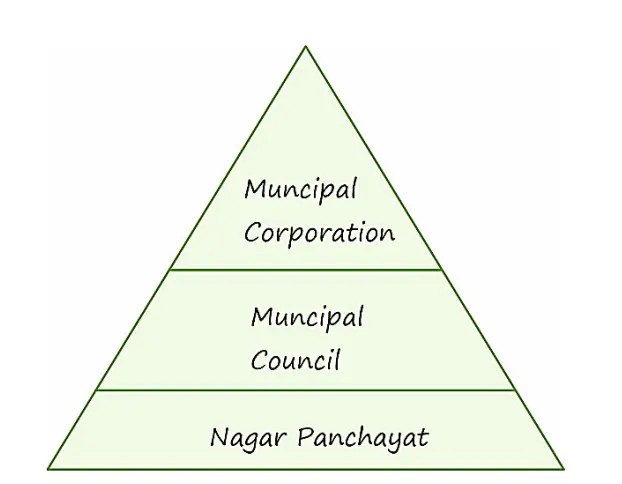
There are three main types of urban local bodies, depending on the size and population of the area.
-
Nagar Panchayat
A Nagar Panchayat is meant for small towns and areas changing from rural to urban.
-
Municipal Council (Nagar Palika)
A Municipal Council, also called Nagar Palika, serves medium towns and cities.
-
Municipal Corporation (Nagar Nigam)
A Municipal Corporation, also called Mahanagar Nigam, is the highest urban local body for big cities such as Delhi and Mumbai.
The chapter explains the population-based classification as follows:
-
Cities with a population above 10 lakhs have a Municipal Corporation (also called
-
‘Mahanagar Nigam’) as their highest body.
-
Places with a population between 1 and 10 lakhs have a Municipal Council as their highest body.
-
Cities and towns with smaller populations have a Nagar Panchayat.
How Do Wards and Elections Work?
A city is divided into wards for local representation.
-
People living in each ward elect one Councillor.
-
All the elected Councillors together form the Nagar Panchayat, Municipal Council, or Municipal Corporation, depending on the type of urban local body.
-
Members are chosen through direct elections.
Who Leads Urban Local Bodies?
Urban local government has different leadership positions depending on the type of body.
Three-Tier Local Bodies for Urban Areas
The three urban local bodies are:
-
Municipal Corporation
-
Municipal Council
-
Nagar Panchayat
Mayor
The Mayor is the head of the Municipal Corporation and is described as the “First Citizen” of the city.
Chairperson
The Chairperson is the head of the Municipal Council or Nagar Panchayat.
What Are the Main Functions of Urban Local Bodies?
Urban local bodies are responsible for several basic services and civic needs.
Their functions include:
-
Keeping the city clean and sanitary
-
Collecting and disposing of garbage
-
Supplying safe drinking water
-
Building and maintaining roads, drains, and footpaths
-
Providing street lights
-
Maintaining parks and playgrounds
-
Registering births and deaths
-
Running hospitals and dispensaries
How Do Urban Local Bodies Get Their Income?
Urban local bodies need funds to provide services and manage local needs. Their sources of income include:
-
Property or house tax
-
Water tax or charges
-
Licence fees from shops, factories, vehicles, and hoardings
-
Fines for breaking rules
-
Grants from State and Central Governments
How Do ULBs Strengthen Democracy?
Urban local bodies connect citizens directly with local governance.
-
Their members are elected by the people.
-
Citizens can share their problems with their Councillors.
-
People can participate in local governance.
-
Local participation helps make democracy stronger at the grassroots level in cities.
CBSE Class 6 Social Science Chapter 12 Notes PDF
Download the Grassroots Democracy – Part 3 Local Government in Urban Areas notes PDF to revise urban local bodies, elections, civic functions, sources of income, and the role of citizens in local governance.
CBSE Class 6 Social Science Notes Chapter 12: Grassroots Democracy Part 3
Download and Read without Internet
What Can You Revise with Physics Wallah Notes for Grassroots Democracy – Part 3?
These notes bring the chapter’s important points together so you can revise each part of urban local governance without going through the complete lesson again.
-
Urban local self-government: Recall how towns and cities manage local needs through ULBs.
-
Types of urban bodies: Review Nagar Panchayat, Municipal Council, and Municipal Corporation.
-
Wards and elections: Revisit how Councillors are directly elected by people in each ward.
-
Leadership: Remember the roles of the Mayor and Chairperson.
-
Civic functions: Revise the services provided by urban local bodies.
-
Income sources: Recall the taxes, fees, fines, and government grants that provide funds.
-
Local democracy: Understand how citizens participate in urban governance and raise local issues.
Urban local self-government brings decision-making closer to the people living in towns and cities. Through elected Councillors, different types of urban local bodies handle civic needs, collect resources, and provide essential services. This local participation also gives citizens a direct role in governance and strengthens democracy at the grassroots level.
Related Resources