







CBSE Class 7 English Chapter 11 Travel Notes PDF Download
CBSE Class 7 English Chapter 11 Travel explores the joy of adventure, imagination, and the desire to explore new places. These notes include the summary, themes, poetic devices, important questions, and a downloadable PDF for quick exam revision.
 Yashasvi Tyagi11 Jul, 2026
The poem Travel by Edna St. Vincent Millay expresses a child's curiosity to explore the world beyond familiar surroundings. Through the image of trains and distant places, the poet highlights the excitement of adventure, imagination, and freedom.
For Class 7 students, this chapter is important because it develops an understanding of imagination, dreams, and the contrast between routine life and the desire to explore the world. These notes provide a quick revision of the chapter, including its summary, themes, poetic devices, important questions, and exam tips.
CBSE Class 7 English Chapter 11 Travel Notes
The CBSE Class 7 English Chapter 11 Travel Notes provide a concise and exam-focused understanding of the chapter. Students can use these notes for quick revision of important concepts, themes, and key points before their examinations.
Introduction
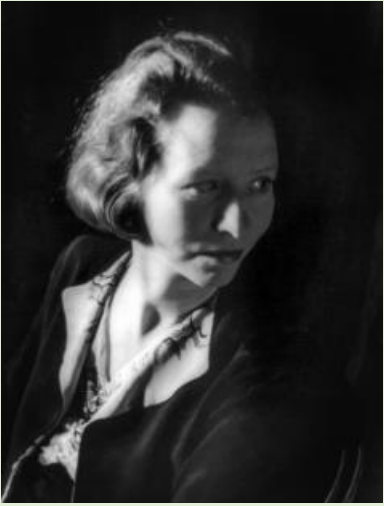
The poem "Travel" by Edna St. Vincent Millay expresses the deep longing of a child for adventure and exploration beyond their immediate surroundings. Though the speaker has responsibilities and is confined to everyday life, their imagination constantly dreams of trains, unknown places, and freedom. The poem beautifully captures the universal desire in many young minds to explore the wider world.
Summary
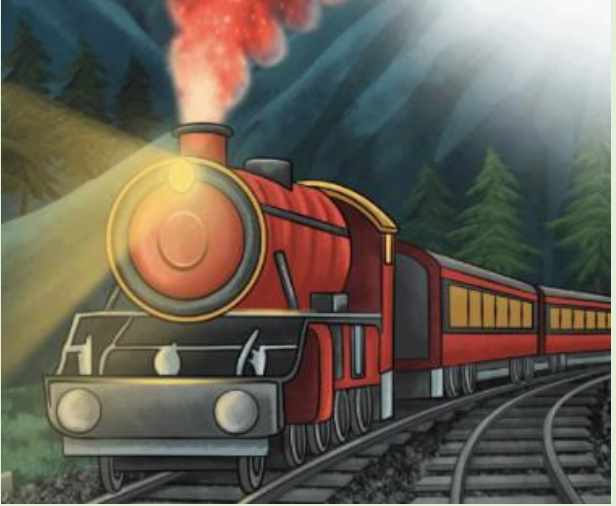
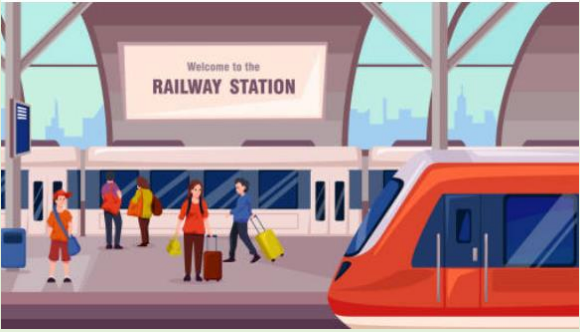
The poem focuses on the thoughts and desires of the speaker, who constantly dreams about travelling to far-off lands. The speaker often hears the sound of trains and imagines them going to exciting and mysterious places. Even though the speaker may be engaged in daily life—studying, talking, or performing routine tasks, the idea of travel remains strong in their heart and mind.
-
The trains symbolize adventure and freedom.
-
The speaker longs to break away from routine and experience the unknown.
-
It shows a contrast between reality and imagination.
Themes
1. Desire for Exploration
-
The strongest theme is the desire to escape the familiar and explore the unknown.
2. Imagination vs Reality
-
The poet contrasts the child's daily routine with the vivid imagination of far-off places.
3. Freedom and Escape
-
Travel is portrayed as a form of escape and freedom from the constraints of everyday life.
4. Childhood Dreams
-
The poem captures the dreamy, adventurous thoughts typical of a child or young person.
Character Sketches
The Speaker (Narrator)
Imaginative
-
Constantly dreams of travelling to faraway places.
Thoughtful and Reflective
-
Thinks deeply even when engaged in everyday activities.
Adventurous Spirit
-
Attracted to movement, journeys, and discovering the world.
Emotionally Expressive
-
The speaker's longing is clear, even if never directly spoken.
Poetic Devices Used
Imagery
-
Strong visuals of trains, tracks, and distant lands.
Alliteration
-
Repetition of consonant sounds for rhythm.
Personification
-
The train seems to call or speak to the speaker.
Symbolism
-
The train symbolizes freedom and adventure.
How to Prepare Chapter 11 Travel for Exams
Preparing this chapter becomes easier when students focus on understanding the poem instead of memorising every line.
-
Read the summary thoroughly.
-
Learn all major themes of the poem.
-
Understand the speaker's character sketch.
-
Revise important poetic devices.
-
Practice textbook and exam-oriented questions.
-
Read the poem multiple times to understand its message.
Download CBSE Class 7 English Chapter 11 Travel Notes PDF
Students can download the PDF version of these notes to revise the chapter anytime. A downloadable PDF helps in quick revision before class tests, unit tests, and annual examinations.
CBSE Class 7 English Poorvi Chapter 11 Travel Notes PDF
Study without using the internet
CBSE Class 7 English Notes Chapter 11 FAQs
Who is the poet of Travel?
What is the main theme of the poem Travel?
What does the train symbolise in the poem?





Get Free Counselling Today
and Clear up all your Doubts
 Live & recorded classes available at easeDashboard for progress trackingLakhs of practice questions

