
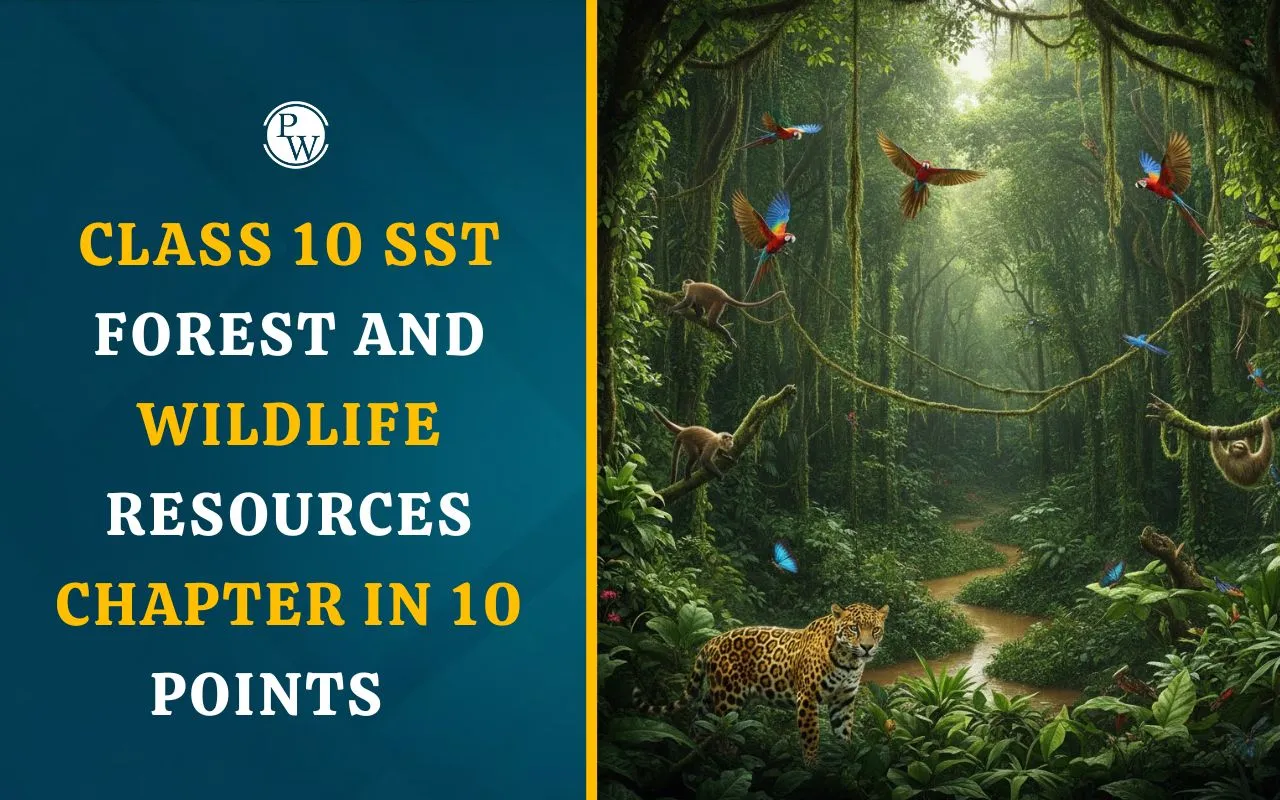
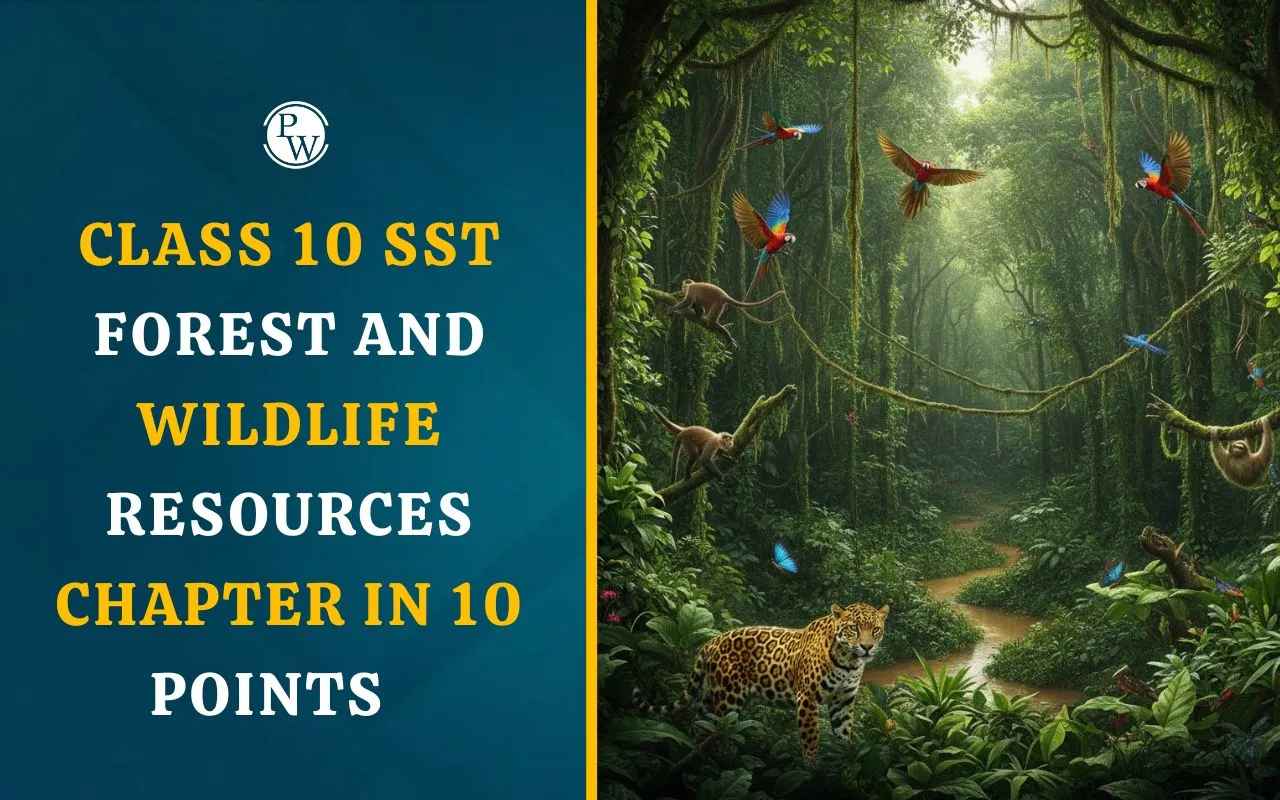
Forests and wildlife are essential resources that sustain life on Earth. They provide oxygen, food, water, and habitat for millions of species, including humans. Biodiversity ensures ecological balance, supporting agriculture, fisheries, and climate regulation. However, human activities like deforestation, hunting, and pollution have severely threatened these resources. To prevent further loss, governments and communities have initiated conservation efforts, such as the Wildlife Protection Act, Project Tiger, and sacred groves. Understanding forest types, biodiversity, and the role of local communities helps us appreciate these resources and encourages us to protect them for current and future generations.
Forest and Wildlife Resources – Explained in 10 Points
-
We Share the Planet With Millions of Other Species
Earth is home to countless organisms—plants, animals, insects, birds, and microorganisms. Each plays a role in maintaining life. Forests clean air, animals regulate food chains, and plants produce oxygen. Humans are just one part of this vast network. -
Biodiversity Keeps Our Life Systems Working
Biodiversity is the variety of life around us. Plants, animals, fungi, and microorganisms all maintain ecological balance. Without it, essentials like clean water, air, fertile soil, and food would collapse. -
Humans Have Caused Huge Destruction
Deforestation, pollution, overhunting, and land expansion have harmed forests and wildlife. Awareness of this destruction has highlighted the urgent need for conservation. -
Why Conservation is Necessary
Conservation preserves ecological balance, ensures clean air, water, and fertile soil, protects genetic diversity, supports agriculture and fisheries, and guarantees long-term survival of life. -
Government Steps: Wildlife Protection Act, 1972
The Act bans hunting, protects habitats, and restricts trade in animal parts. It includes a national list of protected species, giving legal safety to endangered animals. -
Special Projects for Highly Threatened Animals
Projects like Tiger, Elephant, and programs for rhinos, crocodiles, and the Great Indian Bustard protect critically endangered species. Plants were added to the protection list in 1991. These projects reduced poaching and increased populations. -
Project Tiger: India’s Biggest Wildlife Campaign
Launched in 1973 to save tigers, whose population dropped from 55,000 to 1,800. Tiger reserves were created, habitats protected, hunting banned, and strict monitoring enforced. This is one of the world’s most successful conservation efforts. -
Types of Forest Areas in India
-
Reserved Forests: Most valuable, highest protection, no human interference.
-
Protected Forests: Already degraded; further damage banned.
-
Unclassed Forests: Managed by communities or individuals, least controlled.
Reserved + Protected forests are called Permanent Forests, the highest conservation priority.
-
Role of Communities in Conservation
Local communities help protect forests and wildlife through movements like the Chipko Movement, Sariska villagers’ anti-mining protests, and Joint Forest Management in Odisha. People’s participation ensures successful conservation. -
Sacred Groves: Traditional Protection of Nature
Tribal and rural communities protect patches of forests as sacred. Cutting, hunting, and disturbance are forbidden. Examples include Mahua and Kadamba trees, Black Buck protection by Bishnoi community, and worship of Banyan and Peepal trees. Cultural respect ensures natural conservation.
Class 10 SST Forest and Wildlife Resources FAQs
Why are forests called the lungs of the Earth?
What is biodiversity and why is it important?
What is Project Tiger and why was it started?