Important Questions for Class 12 English Flamingo Prose Chapter 7 The Interview

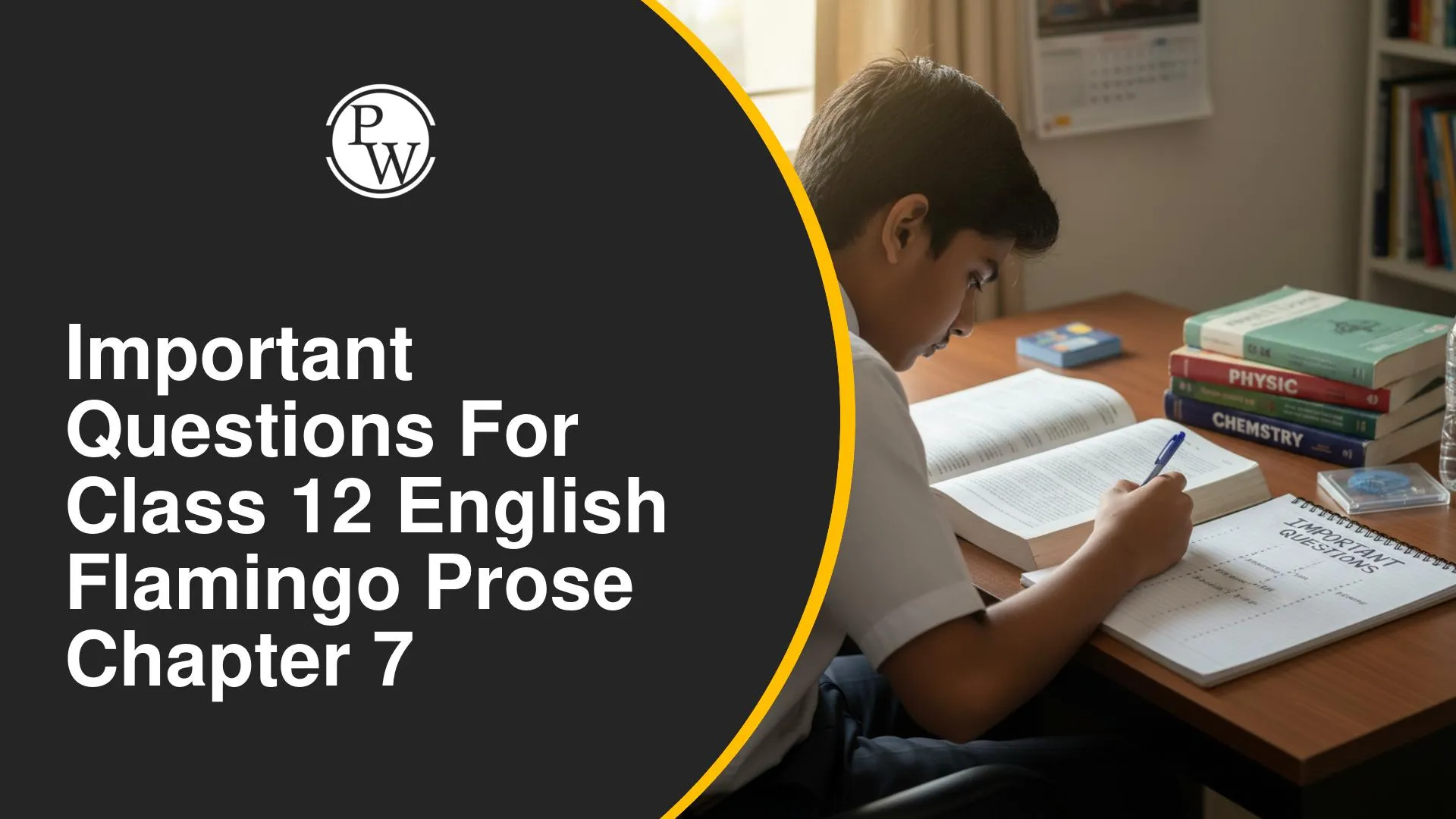
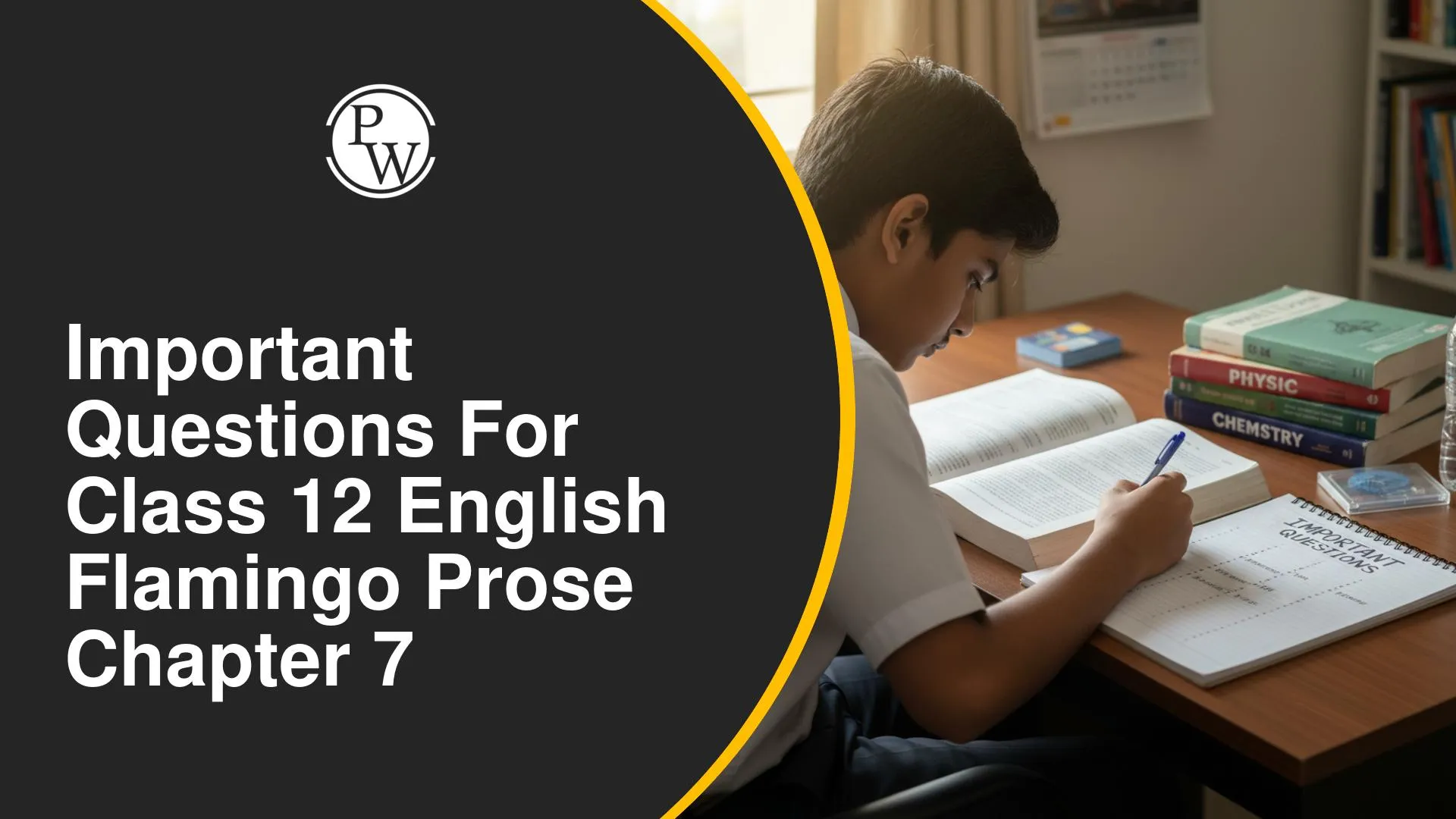
The Class 12 English Core Board Exam 2026 is scheduled for March 12, 2026, and students must now shift to focused, exam-oriented revision. Literature sections, especially Flamingo prose chapters, require structured answer writing and clear understanding of themes and character perspectives.
Questions from Chapter 7 The Interview are asked in board exams through short answers, long answers, extract-based questions, and MCQs. To score well, students must practice Important Questions for Class 12 English Flamingo Prose Chapter 7.
Since English papers now include competency-based questions, preparing The Interview Class 12 MCQs and extract-based questions is equally important.
The Interview Class 12 Important Question Answers
Preparing Important Questions for Class 12 English Flamingo Prose Chapter 7 is important for scoring well in the English Core board exam on March 12, 2026. The Interview is a concept-based prose chapter that explores the power, purpose, and controversy surrounding interviews in journalism.
Below are the The Interview Important Question Answer along with MCQs for practice:
1. Why does Christopher Sylvester call interviews an ‘ordeal’? (CBSE 2019 Set-1)
Ans: Sylvester considers interviews an ordeal because they intrude into a person’s private life and compel them to reveal personal thoughts unwillingly.
2. Why do many writers dislike interviews? (CBSE 2018 Set-3)
Ans: Writers dislike interviews as they feel misrepresented, judged, or reduced to superficial impressions by interviewers.
3. What are ‘interstices’ according to Umberto Eco? (CBSE 2020 Set-1)
Ans: Interstices are small gaps of time that Eco used efficiently for intellectual work, enabling him to be productive despite academic responsibilities.
4. How did Eco manage to write extensively? (CBSE 2022 Term-2)
Ans: Eco managed time effectively by utilizing small intervals between activities, demonstrating discipline and intellectual commitment.
5. What are the positive and negative aspects of interviews discussed in the chapter? (CBSE 2021 Set-1)
Ans: Interviews help readers understand the personality and thoughts of writers. However, they can be intrusive and misleading. While interviews promote ideas, they may distort an individual’s image if poorly conducted. The chapter presents a balanced view.
6. Why does Umberto Eco prefer non-fiction over fiction? (CBSE 2019 Set-2)
Ans: Eco prefers non-fiction because it allows him to pursue academic interests. Fiction demands emotional investment, whereas non-fiction aligns with his scholarly temperament.
7. How does Umberto Eco’s personality emerge through the interview? (CBSE 2023 Set-1)
Ans: Eco appears disciplined, humorous, and intellectually sharp. His ability to balance creativity and scholarship reflects his organized and reflective personality.
8. ‘Interviews are a source of truth.’ Do you agree? (CBSE 2020 Set-2)
Ans: Interviews can reveal insights when conducted responsibly. However, biased questioning may distort truth, making ethical interviewing essential.
(Extract – Based Questions)
“Some might make quite extravagant claims...” (CBSE 2018 Set-1)
9. (a) Who is being referred to?
(b) What is criticized?
(c) What tone is used?
Ans: (a) Interviewees
(b) False self-praise
(c) Critical
(Extract – Based Questions)
“I use my interstices...” (CBSE 2022 Term-1)
10. (a) Who says this?
(b) What habit is revealed?
(c) What does it show about his character?
Ans: (a) Umberto Eco
(b) Time management
(c) Discipline
The Interview Very Short Question Answer (1–2 Marks)
These questions test quick understanding of facts and concepts. Students should prepare concise responses for:
-
Who conducted the interview with Umberto Eco?
-
Why did V.S. Naipaul dislike interviews?
-
What does Eco mean by “extramural writing”?
-
What was the subject of Eco’s academic research?
-
Why are interviews described as common journalistic tools?
Preparing The Interview Very Short Question Answer ensures students do not lose easy marks in the exam.
Important Questions for Class 12 English Flamingo Prose Chapter 7 FAQs
What type of questions are asked from The Interview in the board exam?
How important is The Interview for the March 12 English board exam?
How should I prepare The Interview Important Question Answer effectively?
Are The Interview Class 12 MCQs included in recent board papers?