






Understanding the Number System: Foundations and Classifications


Share
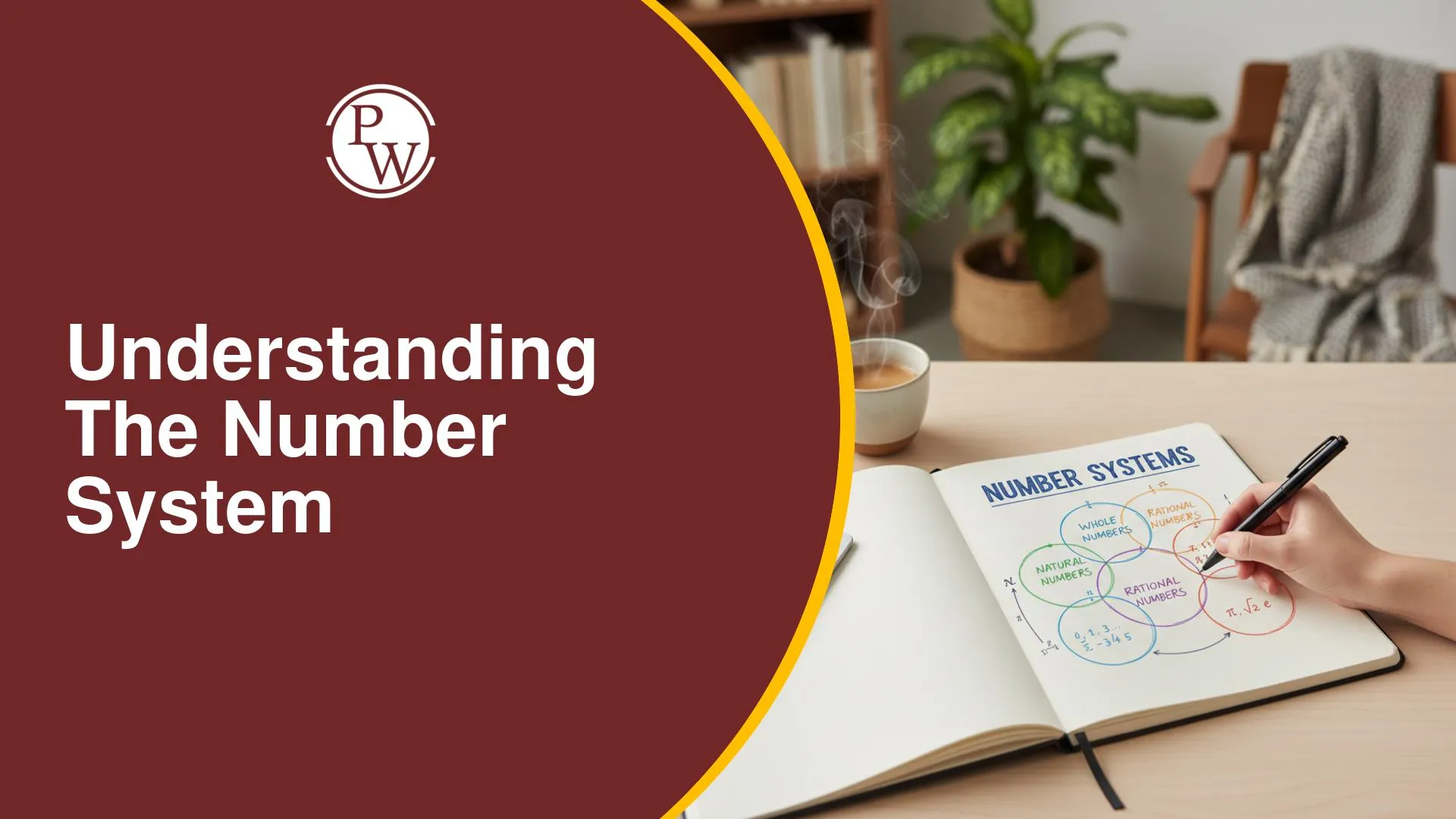
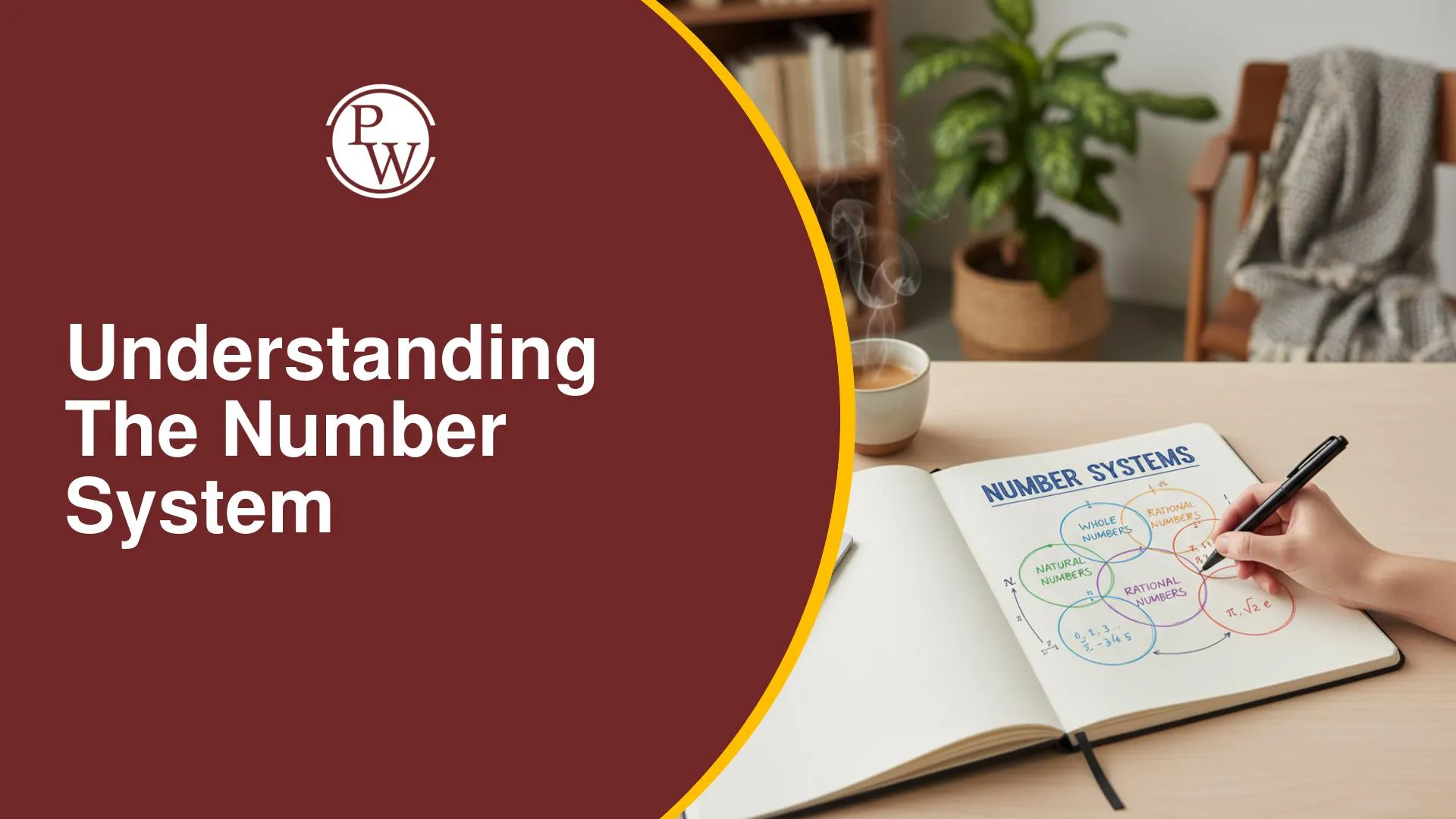
Number system :In this case there will be the various groupings of the number system, what they are, and their main characteristics brought into perspective as well as the importance of the concepts and classifications to our knowledge of quantifying amounts and particular names will stand out like; real numbers, natural numbers, whole numbers, integers and rational numbers.
Basic Classifications of the Number System
Here is the classification of the number system -
Natural Numbers
Natural numbers are the numbers we use for counting objects: 1, 2, 3, and so on, extending up to infinity. They are the most basic and intuitive form of numbers, used to quantify items or people in a space. Natural numbers do not include zero or any negative values, serving as the foundation for arithmetic operations and number theory.
Whole Numbers
Whole numbers expand on natural numbers by including zero. This means the set of whole numbers is {0, 1, 2, 3, …} and so on. The inclusion of zero allows for a broader range of mathematical operations and is crucial for representing quantities where nothing is present.
Integer
Integers further broaden the number system by incorporating negative numbers. This set includes negative numbers, zero, and positive numbers, represented as {…, -3, -2, -1, 0, 1, 2, 3, …}. The concept of integers is essential for situations involving debts, losses, or values below a reference point. On a number line, integers are arranged so that rightward numbers are greater, and leftward numbers are smaller.
Rational Numbers
Rational numbers are numbers that can be expressed in the form p/q, where p and q are integers and q is not zero. Examples include fractions like 2/3, -5/6, and whole numbers written as 3/1. Rational numbers allow for the representation of quantities that are not whole, such as portions of a whole or repeating decimals.
Number Systems and Their Representations
The modern mathematics is conscious of the location and representation of the numbers related to systems like positional systems on binary and decimal systems. There is also positional system of a base (radix) system and a set of digits. Every integer may be expressed as a combination of explicit digits as factors of the base elevated to some degree. This approach favors unconventional depictions and expedited calculation of math.
Number systems are hierarchies that are arranged in a specific mode to work in a specific manner, starting with natural numbers then to whole numbers, integers and rational numbers. Both classifications are being applied to particular cases of how much we may be attempting to say about the accord of given entire or portions of a whole. After we have a clue on these concepts in mathematics, no matter the major or the field of research, we can take further exploration of mathematics as we have known these fundamental concepts.