







Viva Voce English: How to Answer Professors' Questions Confidently Without Going Blank

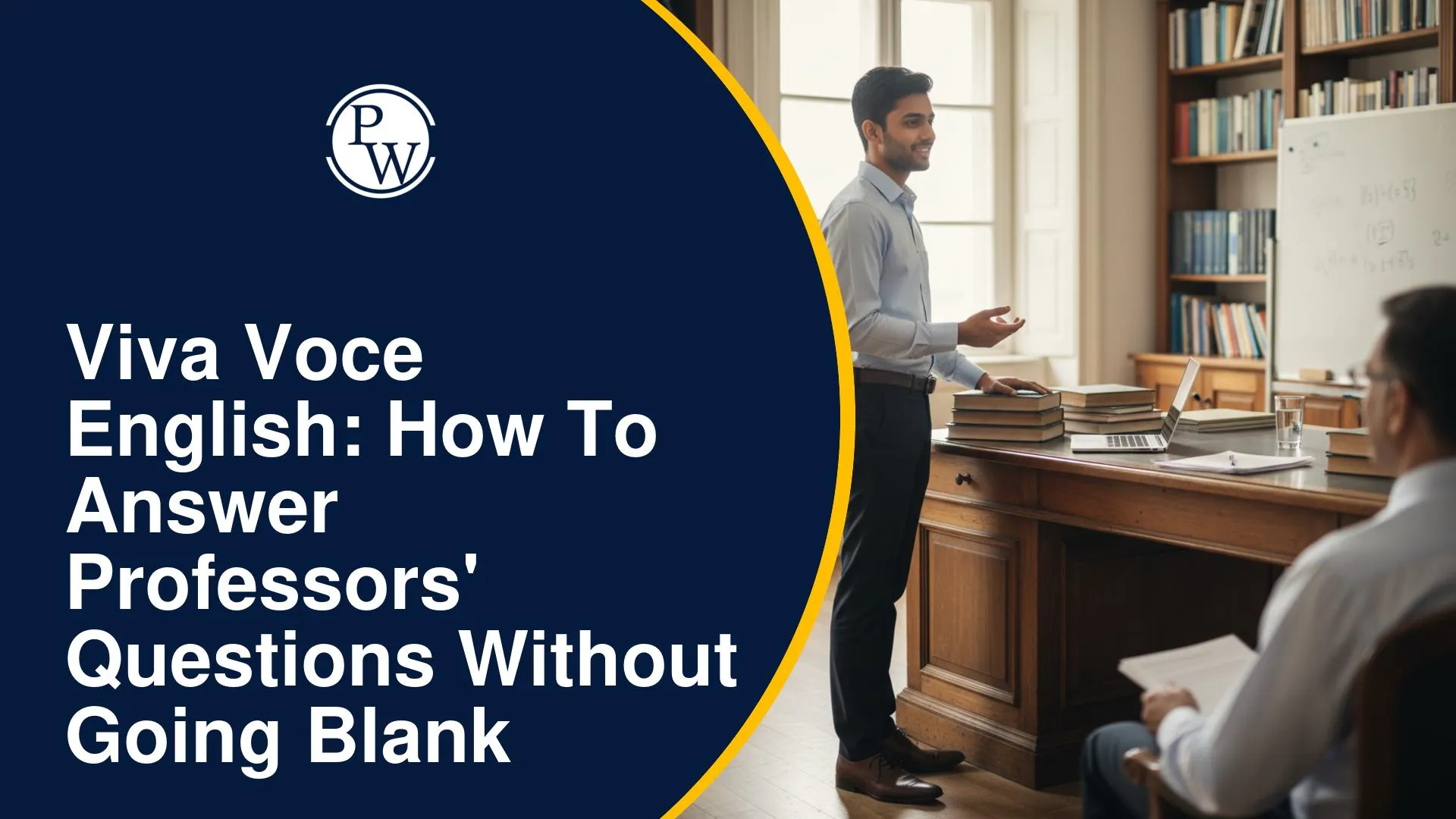
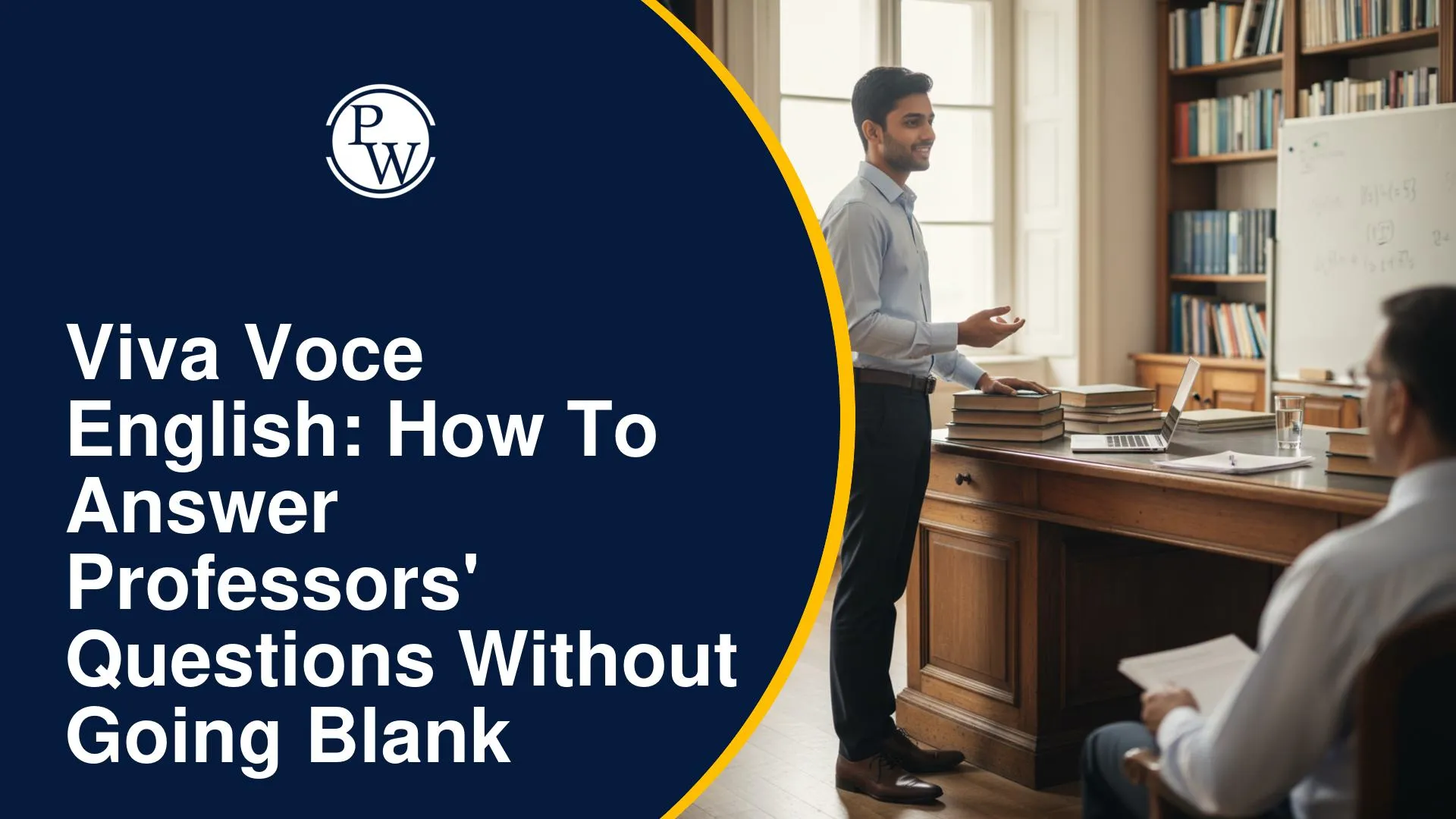
A viva voce evaluates not only your subject knowledge but also your ability to explain concepts clearly, respond to questions logically, and communicate with confidence. Many students understand their syllabus well but struggle to express their ideas during the examination because of nervousness, hesitation, or fear of making mistakes.
Developing strong English speaking skills for a viva requires regular practice, clear thinking, and effective communication techniques. Along with traditional preparation, AI-powered learning tools now give students opportunities to practise speaking, receive feedback, and improve their confidence in a stress-free environment.
Why Do Students Go Blank During a Viva Voce?
Going blank during a viva is a common experience. It usually happens because of stress rather than a lack of knowledge. Some common reasons include:
-
Fear of giving the wrong answer
-
Lack of confidence while speaking English
-
Difficulty understanding the question
-
Limited practice with verbal communication
-
Anxiety caused by the formal examination environment
Even students who know the subject well may struggle to organize their thoughts quickly when questioned face-to-face.
Understand the Question Before You Answer
One of the biggest mistakes students make is answering too quickly. Instead of rushing, follow these steps:
-
Listen carefully until the professor finishes speaking.
-
Take a brief pause before responding.
-
Identify the main topic of the question.
-
Think about the key points you want to explain.
-
Begin with a clear and direct answer.
If you do not understand the question, politely ask for clarification.
For example: "Could you please repeat the question?"
or
"May I confirm that you are asking about..."
This shows professionalism rather than weakness.
How to Answer Professors' Questions Confidently
Answering professors' questions confidently during a viva is a skill that develops with preparation and practice. By understanding the question, organising your thoughts, and communicating clearly, you can respond with greater confidence and avoid going blank under pressure.
Start with a Simple Answer
Many students believe they must begin with complicated explanations. This often creates confusion. Instead, start with a simple statement.
For example:
-
Professor: What is Newton's First Law?
-
Student: "Newton's First Law states that an object remains at rest or continues moving with constant velocity unless acted upon by an external force."
After giving the basic answer, you can explain further if needed. Simple and correct answers leave a stronger impression than lengthy responses with mistakes.
Organize Your Response
A structured answer is easier to understand. You can use this pattern:
-
State the main concept.
-
Explain it briefly.
-
Give an example if required.
-
Conclude with the key idea.
For technical subjects, this approach helps you avoid unnecessary details while keeping your explanation complete.
Speak Slowly and Clearly
Many students begin speaking very fast because they are nervous. Speaking slowly provides several advantages:
-
It gives you time to think.
-
Your pronunciation becomes clearer.
-
The professor can follow your explanation easily.
-
You make fewer grammatical mistakes.
Speaking slowly and clearly is usually more effective than speaking quickly.
It Is Fine to Pause
Silence for a few seconds is normal. If you need time to think, pause briefly before answering. Avoid using filler words repeatedly, such as:
-
"Umm"
-
"Like"
-
"You know"
A short pause appears more confident than continuous hesitation.
Use Simple English
A viva is not a vocabulary competition. Professors are interested in whether you understand the concept. Choose words you are comfortable using.
For example:
Instead of saying, "The phenomenon demonstrates multifaceted implications."
Say, "This process shows several important effects."
Simple English improves clarity and reduces mistakes.
Admit When You Do Not Know
No student knows every answer. If you are unsure, respond honestly.
For example: "I am not completely certain about this concept, but based on my understanding..."
or
"I would like to revise this topic further."
Guessing without understanding often creates more follow-up questions. Honest responses show maturity and professionalism.
Also Check:
- How to Speak in Office Meetings Without Being Ignored or Interrupted
- How to Handle Client Calls in English When You're Not Fully Confident
Improve Your English Speaking Skills for Viva Preparation
Strong English-speaking skills help you explain concepts clearly, answer follow-up questions confidently, and communicate your ideas effectively during a viva. Regular practice with the right techniques can reduce hesitation and make your responses more natural and well-structured.
Practice Speaking Instead of Only Reading
Many students spend hours reading notes but rarely practice speaking aloud. Speaking requires different skills. Try these activities:
-
Explain one topic every day in English.
-
Record your own answers.
-
Practice with classmates.
-
Answer common viva questions aloud.
-
Time your responses.
Regular speaking practice reduces hesitation.
Prepare for Common Follow-Up Questions
Professors often ask additional questions after your first answer. Examples include:
-
Why?
-
How?
-
Can you explain further?
-
What is the difference?
-
Can you give an example?
While preparing each topic, think about possible follow-up questions. This improves your confidence during the actual examination.
Practice Answering in Full Sentences
Single-word answers often make professors ask more questions.
Instead of saying: "Yes."
Say: "Yes, because the experiment demonstrated the expected result."
Similarly, instead of saying: "No."
Say: "No, because the required condition was not satisfied."
Complete sentences show a better understanding and communication.
Improve Your Listening Skills
A good answer begins with good listening. During practice sessions:
-
Listen to English lectures.
-
Watch educational presentations.
-
Repeat explanations in your own words.
-
Focus on understanding the complete question.
Better listening leads to more accurate answers.
Stay Calm Even After a Mistake
Everyone makes mistakes while speaking. If you realize an error:
-
Correct yourself politely.
-
Continue your explanation.
-
Do not panic.
Most professors pay attention to your understanding and confidence rather than expecting perfect English. Recovering calmly from a mistake often creates a positive impression.
Use Positive Body Language
Communication is not limited to words. Maintain:
-
Eye contact
-
Good posture
-
A calm facial expression
-
Natural hand movements
-
A steady voice
Confident body language reinforces your verbal communication and leaves a positive impression.
Practice Mock Viva Sessions
Mock interviews help students become familiar with the examination environment. You can ask:
-
Friends
-
Teachers
-
Seniors
-
Mentors
To ask questions from your syllabus. Treat these sessions like a real viva. The more situations you experience during practice, the more comfortable you become during the actual examination.
Along with regular practice, technology has become an effective way for students to improve their communication skills. AI-powered learning platforms now provide opportunities to practise speaking in realistic situations, helping students become more comfortable answering questions during a viva.
Also Check:
How AI-Powered Learning Can Help You Prepare for a Viva
Technology has made communication practice more accessible to improve communication skills. AI-based learning tools now allow students to practice speaking in a comfortable environment. Unlike traditional practice sessions, students can repeat answers as many times as needed without feeling embarrassed.
This approach is also reflected in educational initiatives that combine activity-based learning with AI-powered English practice. Such programmes have demonstrated significant improvements in reading, comprehension, and speaking skills by allowing learners to practise regularly, receive guidance, and build confidence in a supportive environment.
For viva preparation, similar AI tools can help students rehearse answers, improve pronunciation, and develop greater confidence before the actual examination. During pilot implementation, the share of learners reading at paragraph level or higher increased from 12% to 80%, showing how guided AI-supported practice can significantly strengthen language skills.
For students preparing for a viva, the idea is similar. AI can become a rehearsal partner that allows repeated speaking practice, immediate feedback, and steady improvement without the pressure of human judgment.
Useful English Phrases for a Viva Voce
Some useful expressions include:
-
"According to my understanding..."
-
"The main reason is..."
-
"This concept can be explained as..."
-
"An example of this is..."
-
"In conclusion..."
-
"Could you please repeat the question?"
-
"May I explain this using an example?"
-
"I would like to add one more point."
Using such phrases makes your responses more organized.
Preparing for a viva is not about memorising perfect answers but about understanding concepts and explaining them with clarity and confidence. Speaking in simple English, organising your responses, listening carefully, and practising regularly can help you answer professors' questions more effectively.
AI-powered speaking tools, mock viva sessions, and consistent practice further strengthen communication skills, making it easier to stay calm and express your knowledge confidently during the examination.
Improve Your Communication Skills in English with PW Talk
Becoming a confident while communicating takes regular practice. PW Talk helps professionals improve spoken English and workplace communication through practical learning experiences.
With PW Talk, you get:
-
24×7 AI English-speaking partner for unlimited practice.
-
Real-life role-plays for office presentations, meetings, and business discussions.
-
230+ bite-sized English learning videos.
-
3000+ practice questions with revision exercises.
-
CEFR-based English assessments to measure progress.
-
Guidance from experienced PhysicsWallah English faculty.
How to Answer Professors' Questions Confidently Without Going Blank FAQs
How can I stop going blank during a viva voce?
Is it okay to ask a professor to repeat a question in a viva?
How can AI help with viva voce preparation?
Should I use difficult English words in a viva?
How should I prepare for a viva voce in English?


Have questions about your prep?
Our experts can answer all your questions
 Live & recorded classes available at easeDashboard for progress trackingLakhs of practice questions

