







Spoke Well vs Spoke English: What Interviewers Actually Evaluate in the First 3 Minutes

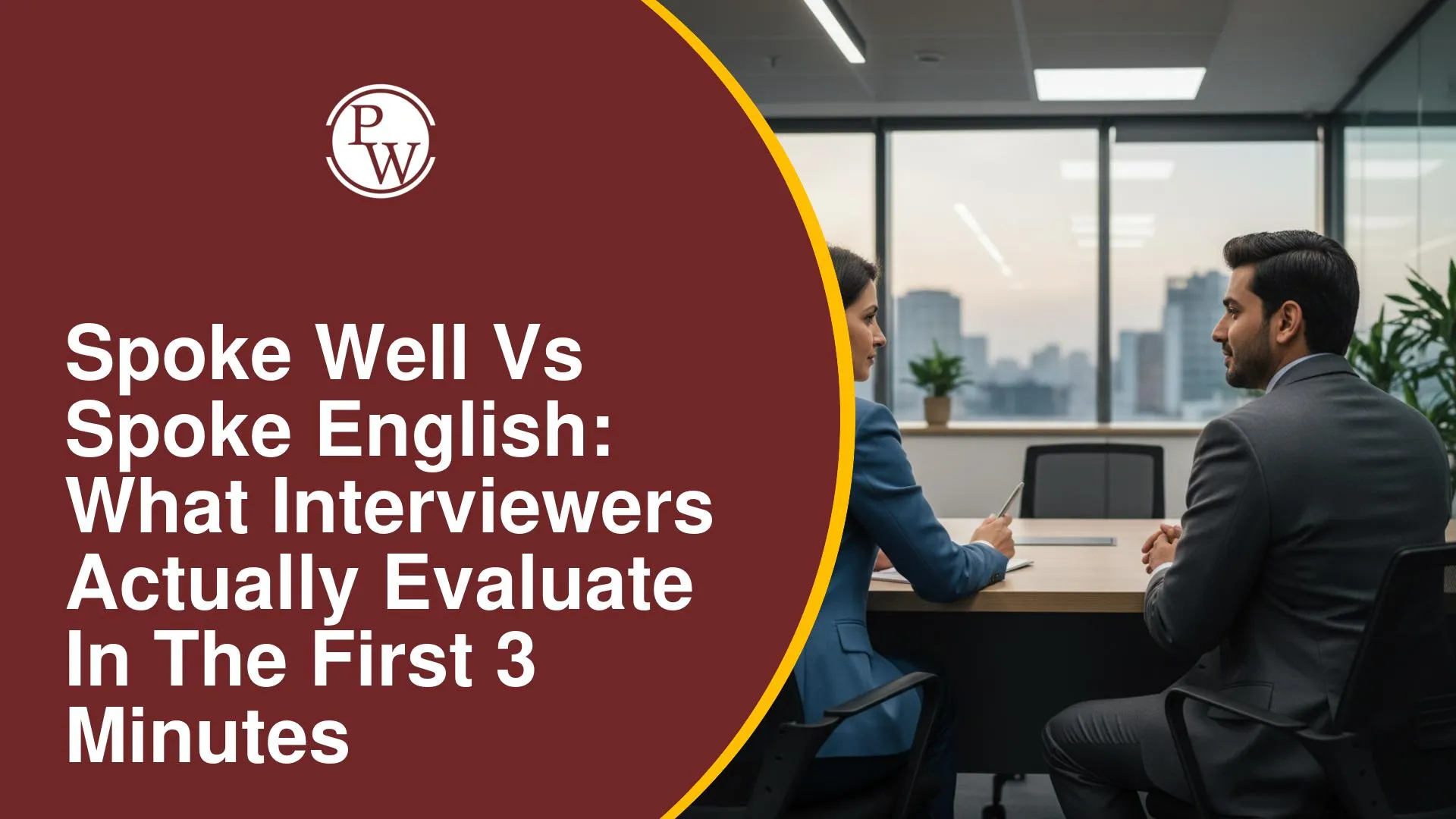
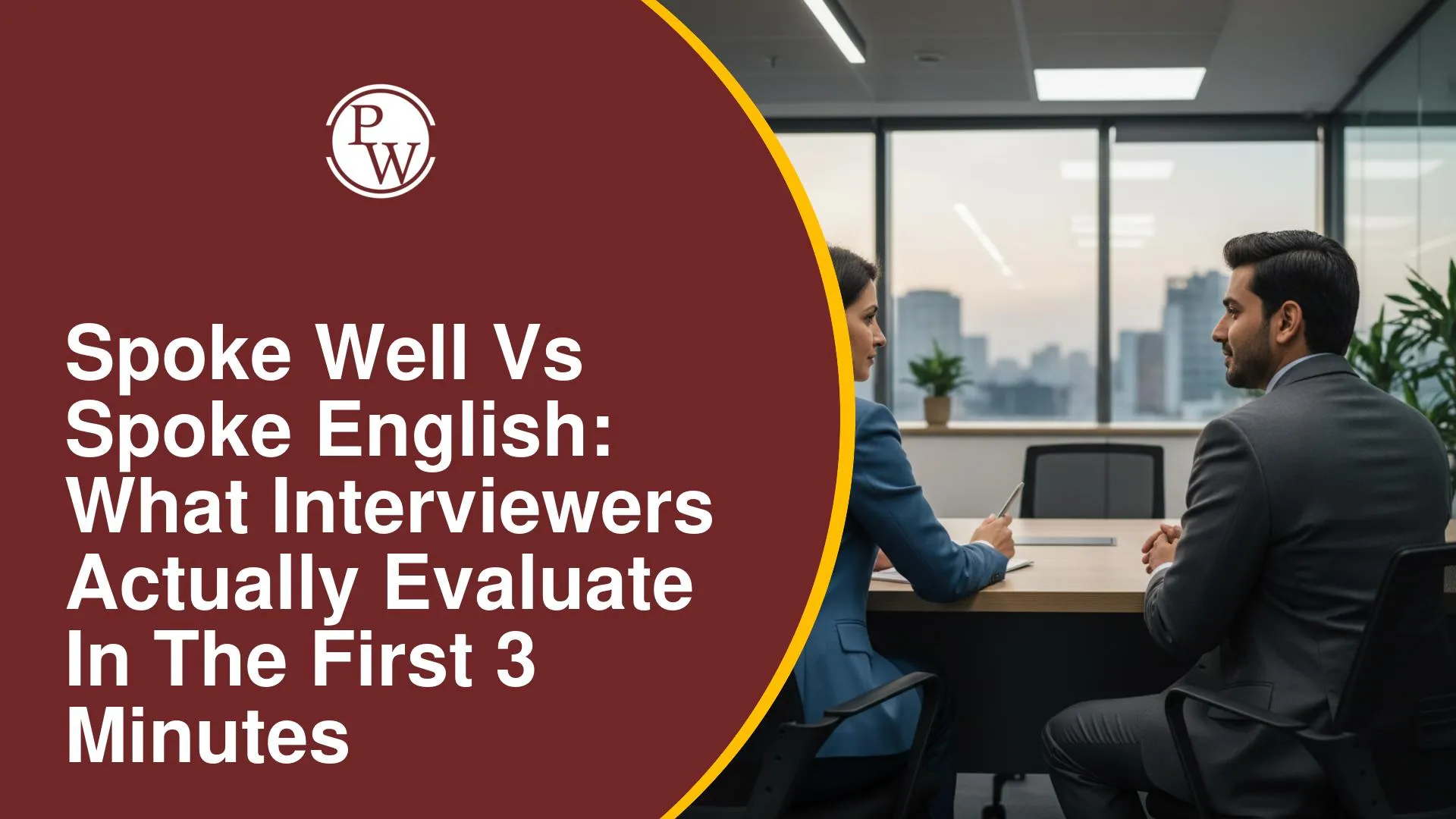
Many candidates believe that speaking fluent English is the key to interview success. In reality, interviewers focus on much more than language during the first few minutes. They observe how confidently you introduce yourself, how clearly you explain your ideas, and how professionally you communicate.
Understanding the difference between speaking English and speaking well can help you create a stronger first impression and perform better throughout the interview.
Modern education and hiring practices are also moving in this direction. The National Education Policy (NEP) 2020 promotes holistic development, critical thinking, and practical communication instead of focusing only on examination performance or language proficiency.
Spoke Well vs Spoke English: Understanding the Difference
Many job seekers think that interview success depends on flawless English. In reality, recruiters often value communication over language complexity.
Speaking English simply means using English as the language of communication. Speaking well means expressing your ideas clearly, confidently, and logically so that the interviewer easily understands your message.
Spoke Well means you can:
-
Explain ideas clearly
-
Stay confident under pressure
-
Answer questions logically
-
Listen carefully before responding
-
Build a comfortable conversation
This is why Spoke Well vs Spoke English has become an important distinction in today's hiring process. Employers want candidates who can communicate with clarity rather than simply speak fluent English.
What Interviewers Evaluate in the First Three Minutes
The opening minutes of an interview are not only about introducing yourself. Interviewers silently evaluate several qualities before asking technical questions.
They usually observe:
-
Confidence
-
Clarity of speech
-
Professional attitude
-
Listening ability
-
Positive energy
-
Eye contact
-
Calmness
These qualities create a strong First Impression Interview experience. Even before discussing technical skills, interviewers start forming an opinion about how you communicate.
Also Check:
- The Real Reason You Freeze When You Have to Speak English
- What 'Practice Makes Perfect' Actually Means for English Speaking
Why Clear Communication Matters More Than Advanced Vocabulary
Many candidates worry about grammar mistakes. Minor grammar mistakes are often less important than unclear or unstructured answers. Interviewers prefer candidates who can explain their ideas in a simple and organised manner.
Strong Interview Communication Skills include:
-
Organising your thoughts
-
Speaking at a comfortable pace
-
Giving complete answers
-
Staying relevant to the question
-
Showing confidence without sounding overprepared
Interviewers understand that many candidates come from different educational backgrounds. They focus more on whether they can understand your message.
This is another reason why Spoke Well vs Spoke English matters during interviews.
How Modern Education Encourages Practical Communication Skills
The approach recommended under NEP 2020 encourages education that develops character, creativity, critical thinking, and practical abilities instead of only language-based learning. The policy promotes flexible learning, practical skills, multidisciplinary education, and twenty-first-century competencies.
The report also explains that India's education system is moving away from a rigid, examination-focused model towards one that prepares students with practical abilities and real-world skills.
How Structured Thinking Improves Interview Conversations
Rabindranath Tagore believed that education should make life "in harmony with all existence." The report highlights this philosophy while discussing the role of education in shaping individuals.
This philosophy is equally relevant during interviews, where thoughtful communication often creates a stronger impression than memorised responses.
Candidates who think before speaking usually:
-
Answer with better structure
-
Stay calm
-
Connect ideas naturally
-
Avoid unnecessary details
Such responses create smooth conversations that interviewers appreciate.
Also Check:
- How to Introduce Yourself in English for a Job Interview
- How to Participate in Class Discussions in English
Why Employers Value Communication and Problem-Solving Skills
The report also explains that students should be encouraged to "create and lead" instead of simply "consume and follow." It connects this goal with research, innovation, internships, and twenty-first-century skills.
Recruiters look for candidates who can explain ideas, collaborate with teams, and solve problems effectively. Strong communication helps demonstrate these qualities during an interview.
They ask themselves:
-
Can this person explain ideas?
-
Can this candidate solve problems?
-
Will this person communicate with clients?
-
Can this individual work with teams?
-
Can this candidate take initiative?
These qualities reflect Professional Communication, not just language ability.
This explains why Spoke Well vs Spoke English is becoming more relevant across industries.
How to Build English Speaking Confidence for Interviews
Many candidates memorise answers before interviews.
Unfortunately, rehearsed answers often sound unnatural.
Instead, focus on improving English Speaking Confidence by:
-
Practising common interview questions
-
Speaking slowly
-
Recording your answers
-
Improving clarity
-
Learning to pause naturally
Confidence develops through regular practice and constructive feedback rather than memorising fixed answers.
Why Interview Body Language Creates a Strong First Impression
Communication is not limited to spoken words.
Strong Interview Body Language includes:
-
Sitting with good posture
-
Maintaining comfortable eye contact
-
Smiling naturally
-
Using limited hand movements
-
Avoiding unnecessary fidgeting
Positive body language supports your spoken communication and helps interviewers feel more comfortable during the conversation.
HR Interview Tips for Better Opening Answers
The first few questions are often simple.
Examples include:
-
Tell me about yourself.
-
Why do you want this role?
-
Tell me about your education.
-
What are your strengths?
Useful HR Interview Tips include:
-
Keep your introduction under two minutes.
-
Focus on relevant achievements.
-
Speak clearly.
-
Avoid rushing.
-
End your answer confidently.
Simple and structured responses often leave a stronger impression than complicated English.
Spoken English for Jobs: Focus on Communication, Not Perfection
Learning Spoken English for Jobs is valuable. However, your goal should not be to sound like a native speaker.
Instead, focus on:
-
Clear pronunciation
-
Simple vocabulary
-
Logical answers
-
Professional tone
-
Active listening
Recruiters appreciate candidates who communicate naturally.
This is the practical lesson behind Spoke Well vs Spoke English.
Job Interview Preparation in India: Practice Like a Real Interview
Many candidates prepare technical subjects but spend little time practising interviews.
Effective job interview preparation in India should include mock HR conversations.
One practical approach is to simulate an actual HR screening round. One effective way to prepare is by practising mock HR interviews. AI-powered speaking tools, such as PW Talk's Riva, allow you to rehearse introductions, answer common interview questions, and improve your communication through regular practice.
The first three minutes of an interview are rarely about testing perfect English. They are about understanding how you think, communicate, and present yourself.
Improve Your Interview Skills with PW Talk Online Batches
Consistent practice plays an important role in improving interview communication. PW Talk Online Batches provide structured learning through practical speaking exercises and interview simulations.
You can practice with an AI-powered speaking partner, learn from 250+ short video lessons, solve 4000+ practice questions, and build confidence through 50+ interview and workplace role-plays. Weekly live masterclasses, 24×7 access, and personalised learning paths help you improve at your own pace.
With consistent practice, you can communicate more clearly and confidently during HR interviews and professional conversations.
Spoke Well vs Spoke English FAQs
What do interviewers evaluate in the first three minutes?
Is fluent English necessary to crack a job interview?
How can I improve my interview communication skills?


Have questions about your prep?
Our experts can answer all your questions
 Live & recorded classes available at easeDashboard for progress trackingLakhs of practice questions

