








Top 5 Videos on the Circulatory System for SSC Science by PW

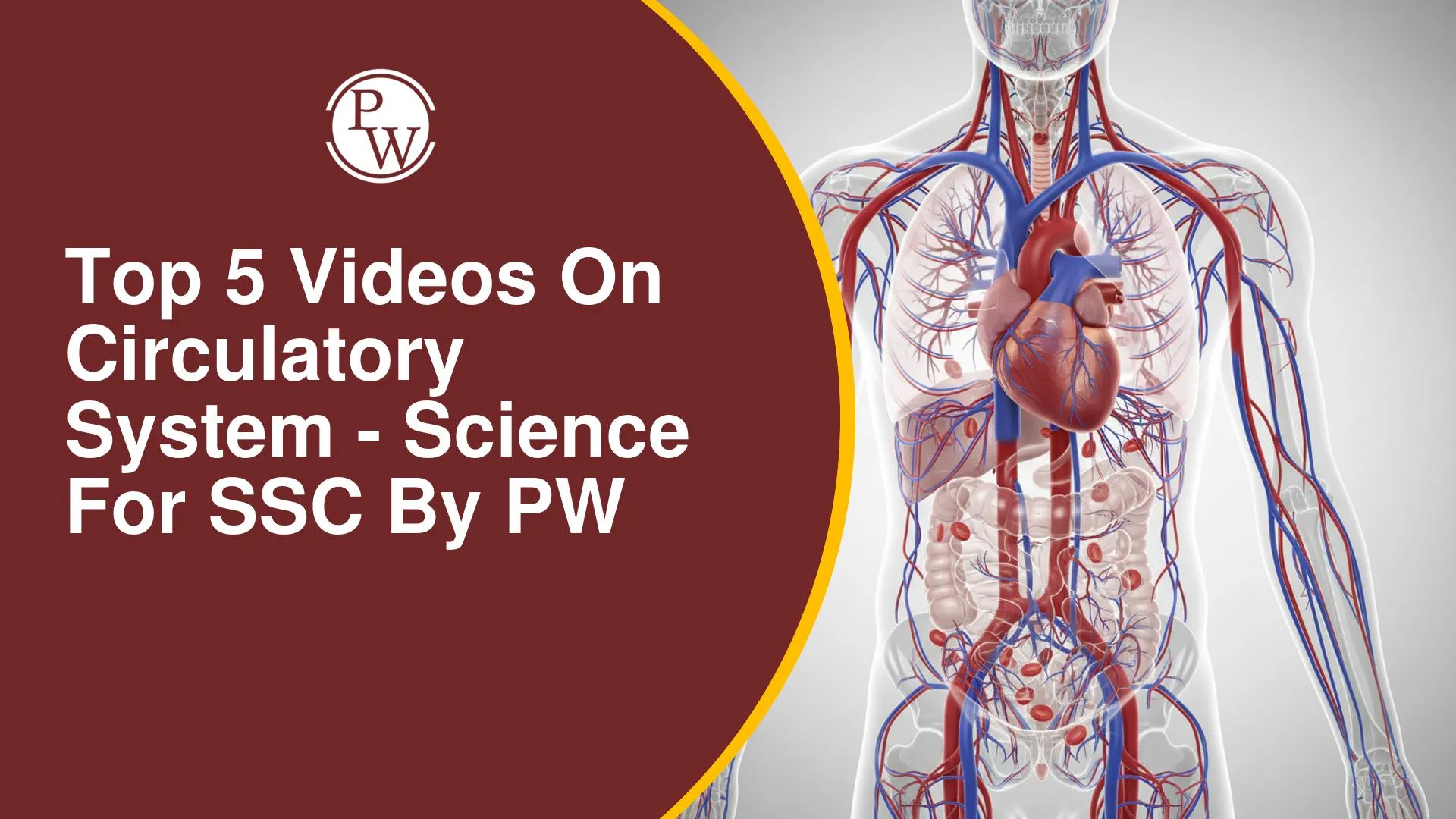
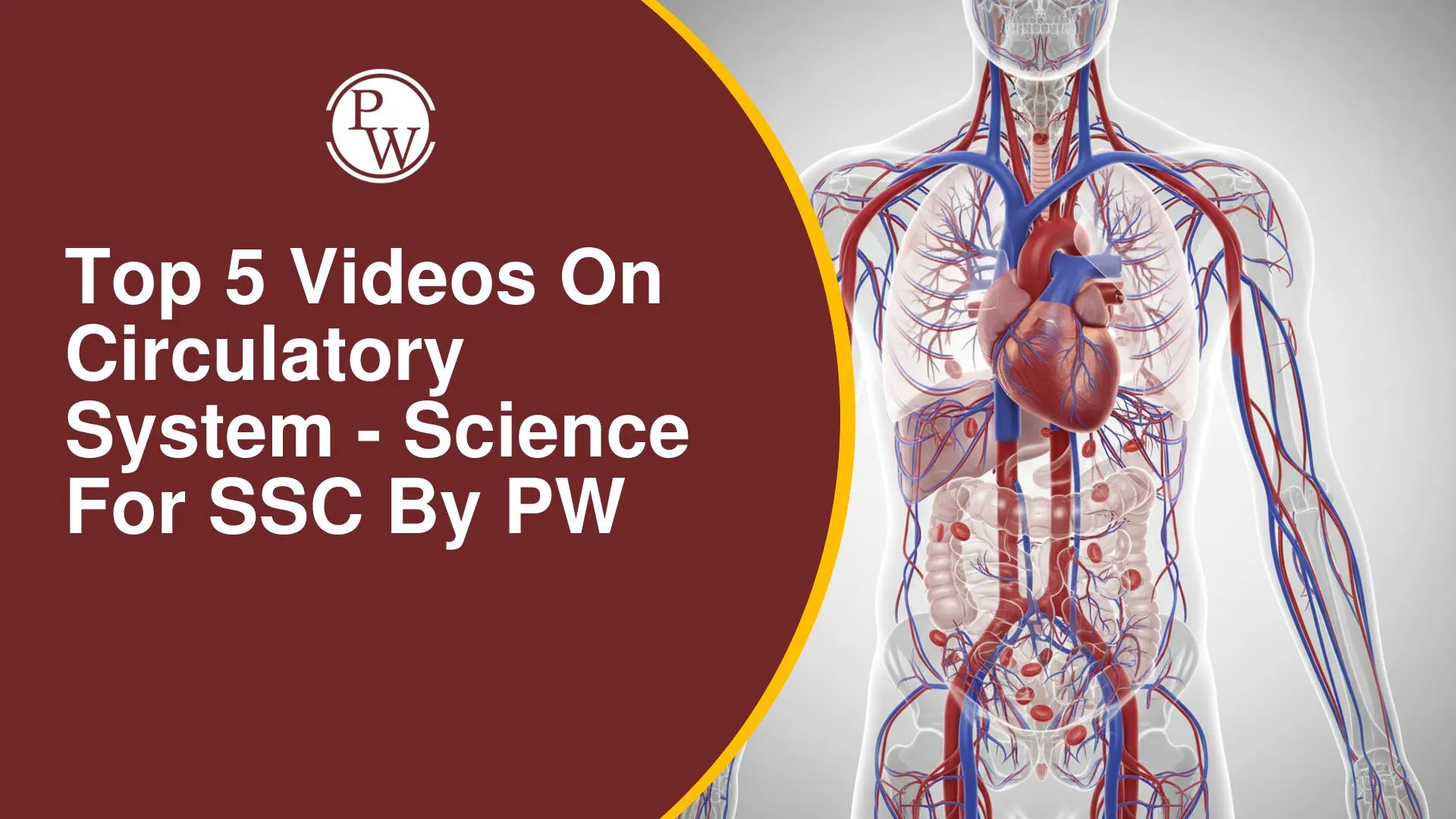
The Circulatory System connects several important Biology concepts, including blood composition, blood vessels and the functioning of the human heart. You may remember individual terms but still find it difficult to trace the movement of blood or distinguish between arteries, veins and capillaries. Questions about heart chambers, valves and oxygenated blood also require a clear understanding of their functions.
PW's video lessons cover these topics through explanations, diagrams, examples, and MCQ practice. You can begin with the fundamentals of blood and circulation, move on to the structure of the human heart, and then practise questions to revise important facts for SSC examinations.
Video 1. Learn the Basics of Blood Components and Circulation
Understanding blood composition is the first step towards learning how the circulatory system functions. This lesson introduces the functions of blood and its role in transporting oxygen, nutrients, hormones and waste materials. You will learn about red blood cells (RBCs), haemoglobin, oxygen transport and the fluid and cellular components of blood.
The session also explains the differences between arteries, veins and capillaries, along with open and closed circulation. Another important concept is the distinction between oxygenated and deoxygenated blood, including the pulmonary artery exception. Examples and practice questions help connect these concepts with facts relevant to SSC Science.
Start with this class if you need to understand the basic terms before studying the human heart in detail. It helps you revise blood functions and vessel characteristics, giving you a foundation for answering direct questions and understanding how different parts of the circulatory system work together.
Video 2. Revise Important Circulation Concepts Through an NCERT-Based Lesson
Once you are familiar with blood components, revisiting the chapter through an NCERT-based approach can strengthen your conceptual understanding. This video from SSC Wallah presents the Circulatory System through an NCERT-based explanation designed around exam preparation.
It covers the movement of nutrients, oxygen, and carbon dioxide, along with the functions of RBCs and haemoglobin. Bilingual terminology, examples, and repeated explanations help you connect related Biology concepts.
Use this session when you have already studied the chapter and want to revise its important points. It brings related concepts together, making it easier to recall definitions and differences while solving objective questions in SSC and Railway examinations.
Video 3. Understand the Four Chambers of the Human Heart and Their Functions
Moving from blood composition to heart anatomy, the next lesson explores the organ responsible for pumping blood throughout the body. This lesson focuses on the structure and functioning of the human heart. It explains the heart's location, size, four chambers, atria, ventricles, and pericardium.
You will also study the bicuspid and tricuspid valves, heartbeat, and the movement of blood between the heart and lungs. The session uses a diagram to explain the roles of the aorta and vena cava and distinguish oxygenated blood from deoxygenated blood. MCQs and previous-year-style questions cover chamber functions, blood vessels, and haemoglobin-related facts.
If you understand the basic functions of blood but struggle with heart structure, this class can help you connect the different parts. Pay attention to the diagram and the direction of blood flow. Revising these details before attempting SSC Mock Tests can help you approach questions on heart chambers and blood vessels with greater clarity.
Video 4. Trace Blood Flow and Understand the Role of Heart Valves
This session explains the human heart by connecting its structure with the process of blood circulation. You will study double circulation, William Harvey's contribution, the position of the heart, its four chambers, septum, and four valves.
The lesson also covers the pericardium and cardiac fluid. A step-by-step explanation traces blood through the vena cava, right and left sides of the heart, pulmonary artery, pulmonary vein, lungs, and aorta. Diagrams and comparisons help explain the route of blood and the process of gas exchange.
Watch this lesson if you find it difficult to remember the sequence of blood flow or distinguish between the heart valves. Following the pathway in the diagram can help you understand how the heart and lungs work together. It is also useful for revising questions related to double circulation, heart structure and the functions of major blood vessels.
Video 5. Test Your Knowledge With Human Heart and Circulatory System MCQs
After covering the fundamental concepts and circulation pathways, put your knowledge to the test with objective questions. This session uses multiple-choice questions to revise the human heart and related Biology facts.
You can review answer options, compare possible answers and recall important concepts through mixed Science practice. The session includes previous-year-style and other questions relevant to SSC and Railway examinations, making it useful for revisiting facts across different Biology topics.
Use this video after completing the concept-based lessons. Try answering each question before checking its explanation, and note the facts you find difficult to recall. This approach helps you identify revision gaps, practise option elimination, and become more familiar with mixed Science questions that may appear in competitive examinations.
These five PW videos cover the Circulatory System through basic Biology concepts, heart structure, blood-flow pathways and objective question practice. Following them in sequence can help you connect different parts of the chapter and revise important facts. Combine the lessons with short notes and SSC mock tests to assess your understanding and identify topics that require additional practice.


Have questions about your prep?
Our experts can answer all your questions





 Live & recorded classes available at easeDashboard for progress trackingMillions of practice questions at your fingertips


