







Top 5 Videos On Folk Dance: Static GK For SSC Preparation By PW
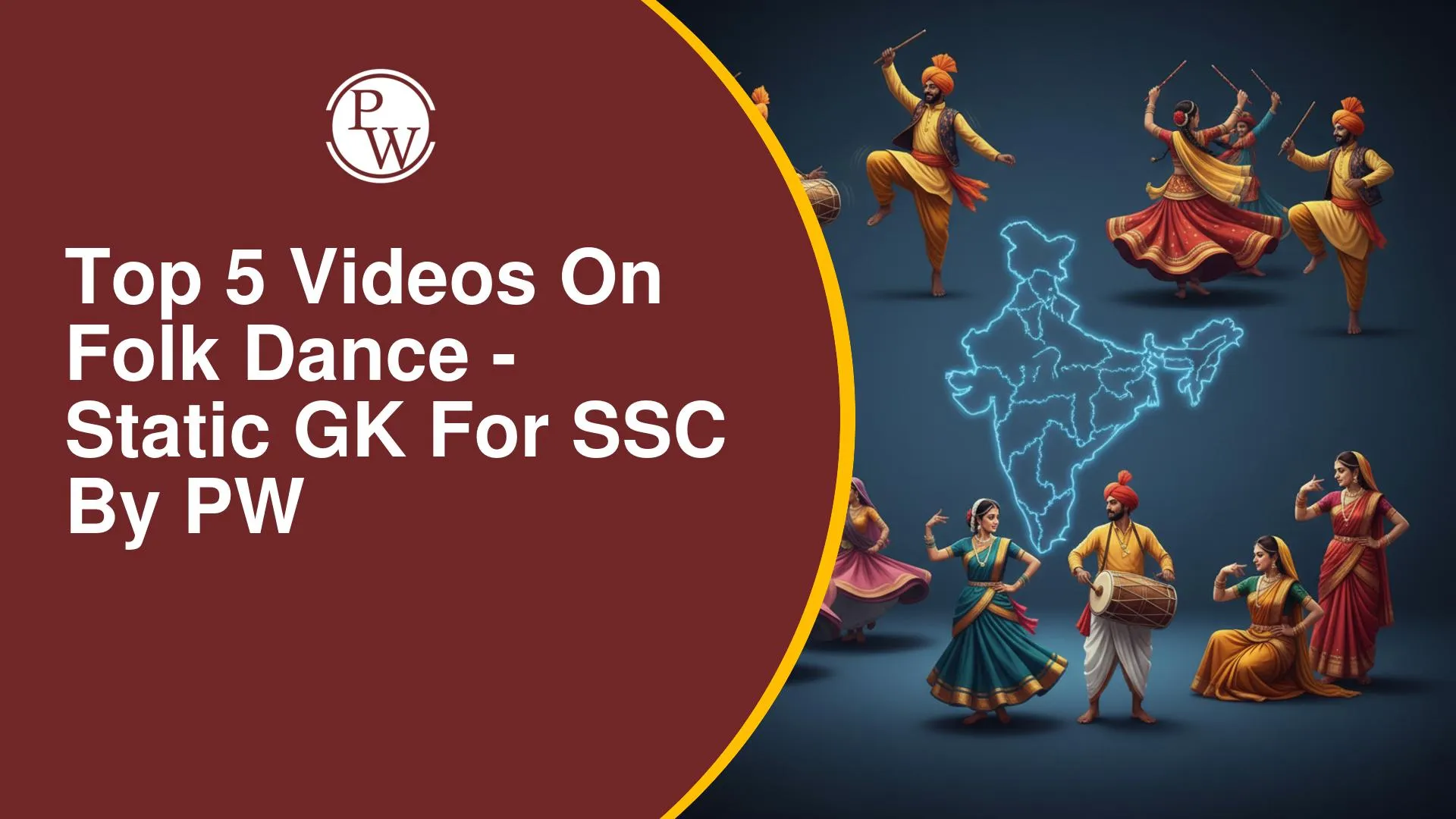
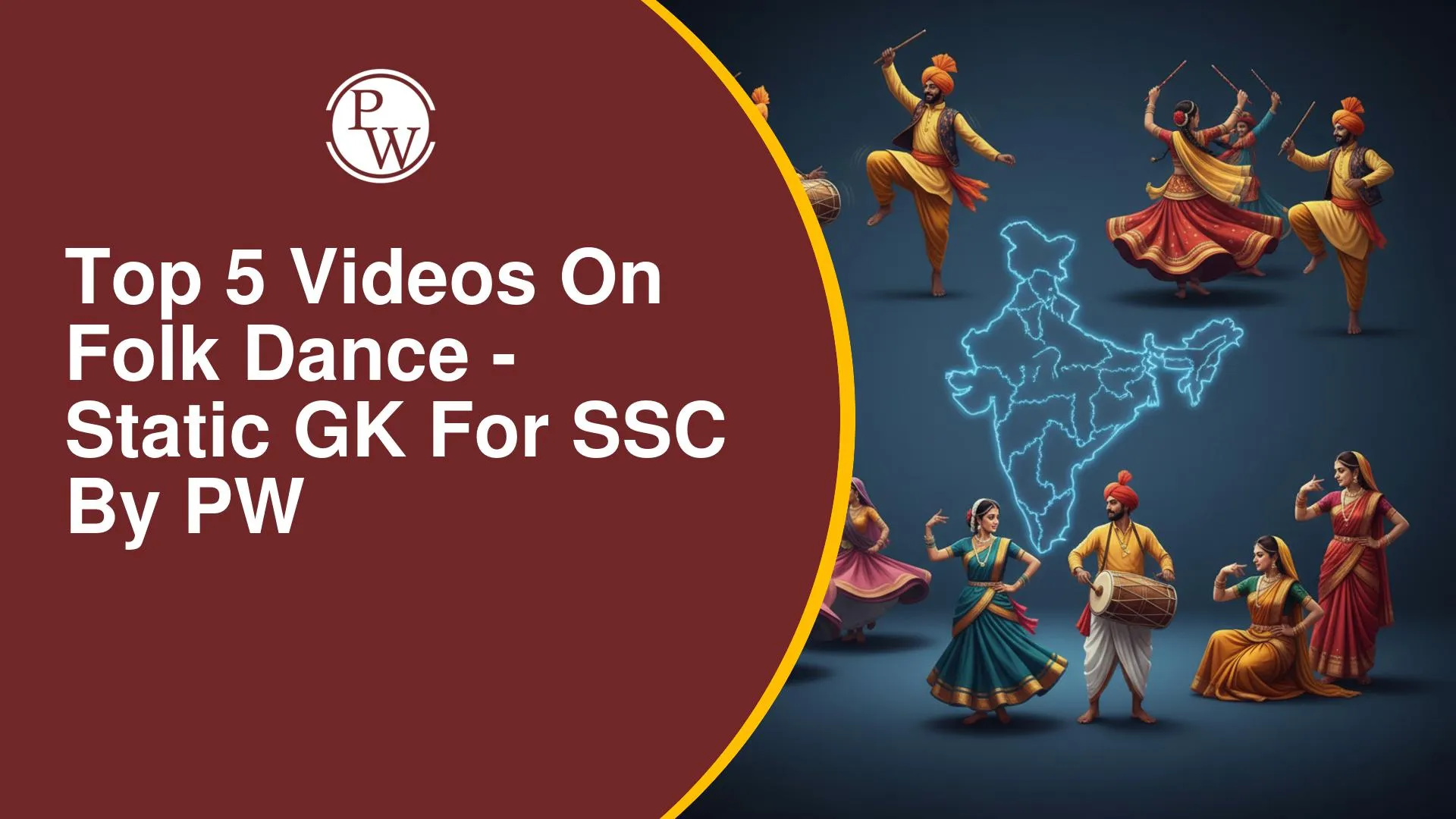
India has a wide variety of folk dances, each connected to its region, festivals, and local traditions. With so many dance forms to remember, students can sometimes mix up state-dance pairs or confuse folk dances with classical ones. Remembering their names, features, and cultural links can also become challenging during SSC Static GK preparation.
PW videos make learning these dance forms easier with simple explanations, state-wise examples, comparisons, and MCQ practice. They help you understand the cultural background of different dances, remember important facts, and revise key state-dance associations for SSC exams.
Video 1: State-Wise Folk Dance Learning For Stronger SSC Recall
This video introduces Indian Folk Dances through a state-wise approach, explaining how local traditions, festivals, tribes, and community celebrations influence different dance forms. It covers popular examples such as Jat-Jatin, Gambhira, Karma, Raslila, Choliya, Bhangra, Ghoomar, Garba, Lavani, Chhau, Matki, Bihu, Dholu Kunitha, and Kalaripayattu. Comparisons, memory tricks, important facts, musical instruments, and cultural details make it easier to understand and remember these dances for SSC Static GK.
Students who need broad coverage of state-dance associations can use this class while building notes. It supports quick recall of frequently tested examples and improves accuracy when questions connect dances with states, festivals, tribes, or instruments.
Video 2: Folk Dance Concepts And MCQs For Better Exam Practice
This video explains the difference between Folk Dance and Classical Dance and shows how folk traditions are connected to local culture, festivals, weddings, harvests, and community celebrations. It covers popular dance forms such as Bhangra, Giddha, Garba, Dandiya, Ghoomar, Kalbelia, Lavani, Kohli, Bihu, Chhau, Yakshagana, Karagattam, Rouf, Cheraw, Nati, and Panthi. MCQs after the explanations help you test your understanding and practise answering SSC exam-related questions.
This video suits students beginning Folk Dance or seeking basic-to-advanced revision. The question practice trains you to identify correct state-dance pairs and apply cultural clues during SSC GK questions.
Video 3: Ten-Minute Folk Dance Revision For Faster State-Wise Recall
This video offers a quick revision of folk dances from different Indian states. It covers Chhau, Paika, Phagua, Domkach, Karma, Bhangra, Giddha, Ghoomar, Kalbelia, Bihu, Dandiya, Garba, Jhijhiya, Jat-Jatin, Chholiya, Lezim, Lavani, Dholu Kunita, Cheraw, Dhol-Pung Cholom, Mayilattam, and Kavadi Attam. It also explains important details about costumes, musical instruments, festivals, and religious connections, along with practice questions to help you revise for SSC exams.
Use this video for last-minute revision or after detailed study. Its repeated state-wise presentation helps you refresh several associations in less time and strengthens rapid recall for Static GK questions.
Video 4: Folk Dance Categories And Cultural Features For Clearer Understanding
In this video, the faculty explains the folk nature of these dances and their difference from classical traditions. The video groups folk dances into five categories and links them with weddings, festivals, harvests, religious events, community gatherings, and war styles. Lai Haraoba, Kadgam, Cheraw, Popir, and Bihu are discussed through their states, rituals, instruments, costumes, and performance methods.
This video is useful when you need concept-based learning before attempting MCQs. It improves your ability to connect a dance with its cultural setting, making unfamiliar SSC Static GK questions easier to approach.
Video 5: Key Folk Dance Facts And MCQs For Accurate Revision
This video explains how folk dances are connected to local culture, traditions, and special occasions. It also compares Folk Dance with Classical Dance and covers popular forms such as Bhangra, Giddha, Garba, Dandiya, Ghoomar, Kalbelia, Chari, and Lavani. You will learn about their costumes, movements, performance styles, and important UNESCO-related facts. The MCQs also help you practise Folk Dance questions for SSC CHSL and other SSC exams.
Choose this video for focused revision of frequently asked examples and distinguishing features. It helps improve factual accuracy and recall when SSC questions test similarities, unique traits, or state-based cultural knowledge.
These PW videos make Folk Dance easier to understand through simple explanations, state-wise examples, cultural facts, and MCQ practice. Each video covers the topic in a different way, helping you learn important dance forms and their features without feeling overwhelmed.
You can use these videos to revise state-dance pairs, remember key cultural details, and practise questions for SSC Static GK. Regular revision will help you recall important facts more easily and prepare better for SSC exams, including SSC CHSL.


Have questions about your prep?
Our experts can answer all your questions


 Live & recorded classes available at easeDashboard for progress trackingMillions of practice questions at your fingertips


