







70th BPSC Topper Pinkesh Kumar Singh: Preparation Journey, Strategy and Success Story with PW
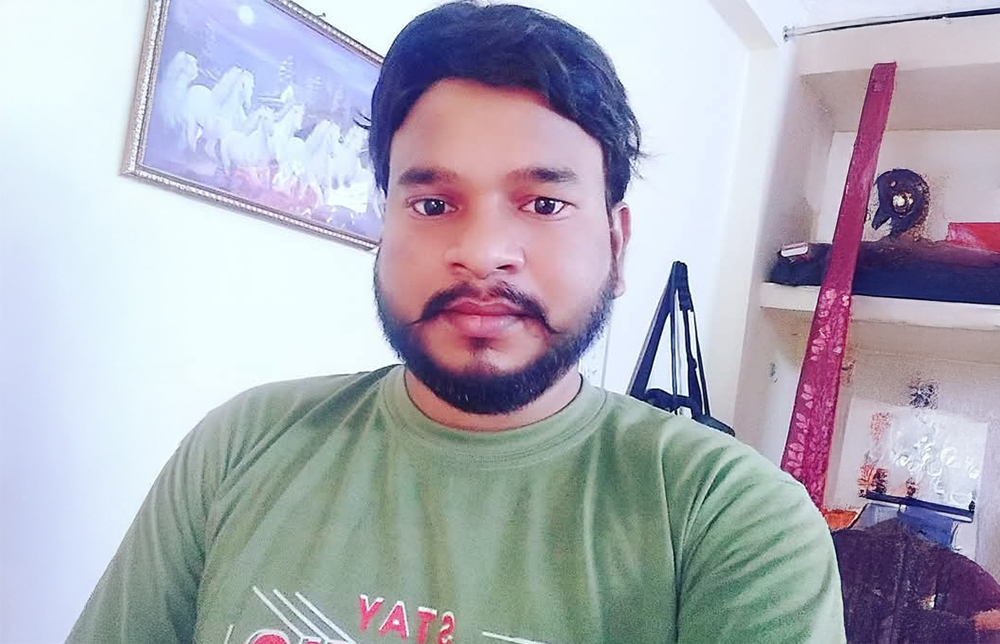
For thousands of BPSC aspirants, preparing for the examination is a long journey that can involve setbacks, self-doubt, and changes in their daily routine. Staying focused through these challenges while continuing to work towards the goal can be difficult.
Pinkesh Kumar Singh’s journey reflects many of these challenges. He started preparing for BPSC during the first year of his graduation around 2016–17. His preparation continued for many years. It also involved setbacks, self-doubt, personal sacrifices, and changes to his daily routine.
Instead of giving up after setbacks, Pinkesh continued working towards his goal. Looking back at his preparation, he acknowledged that his selection took longer than it should have. His journey went through several phases of setbacks, sacrifices, and changes as he continued preparing for BPSC.
How Pinkesh Kumar Singh’s BPSC Journey Began
Pinkesh began his BPSC preparation in 2016–17, when he was in the first year of his graduation. He was also among the early students associated with OnlyIAS and had been studying PSIR from that period. PSIR was his optional subject for BPSC.
His preparation journey continued for many years, with setbacks and moments of self-doubt along the way. Looking back, the interview also highlighted that his selection took longer than expected, but he continued preparing and did not give up.
Pinkesh Kumar's BPSC Preparation Strategy
After years of preparation, Pinkesh focused on a few key areas instead of constantly adding new resources. He highlighted PYQs, Mains preparation, NCERTs, and daily newspaper reading as important parts of his BPSC strategy.
“Teen cheezen karni hai. Ek PYQs poora kar lena hai. Doosra, Mains ke exam mein sabse important BPSC pass karne ke liye Mains ka exam hota hai.”
He explained that Mains plays an important role in clearing BPSC, while the interview helps determine the rank and service. For Mains preparation, he advised aspirants to understand the question pattern and prepare their notes accordingly.
-
Complete BPSC PYQs
Pinkesh advised aspirants to complete the Previous Year Questions (PYQs) to understand what BPSC has asked and align their preparation accordingly. He also connected PYQs with revision, suggesting that aspirants match the keywords in questions with the keywords in their study material.
-
Focus on Mains Preparation
According to Pinkesh, Mains is particularly important for clearing BPSC. He advised aspirants to prepare according to the question pattern, including the 8-marker and 38-marker questions, and make notes accordingly.
-
Read NCERTs and a Newspaper
Pinkesh also recommended reading NCERTs and a newspaper daily as part of BPSC preparation. He included these along with PYQs and Mains-focused preparation among the key things aspirants should do.
The Sacrifices Pinkesh Made During Preparation
Pinkesh’s long preparation journey brought several changes to his daily life. He reduced his physical activities and limited his social interactions. He explained:
“Preparation ne sabse pehle to physical jo meri activities hoti thi wo chheen liya. Sir usmein kaafi compromise karna pada.”
He also confined himself to his 10 × 12 room and gradually reduced his social contact. By the time of his interview, only two friends remained in his circle.
After missing selection by nine marks in the 67th BPSC, Pinkesh also decided to give up rohu fish as a personal sacrifice:
“Mujhe laga ki machhli sacrifice kar de. Rohu machhli.”
He stopped eating it after the 67th result and had it again after his 70th BPSC result.
Cricket was another activity he gave up during preparation. Although he loved playing and following cricket, he said he had not touched a bat for around four to five years.
How Pinkesh Used Revision to Consolidate His Preparation
After covering his daily study, Pinkesh followed a fixed routine to revise and consolidate what he had learned. He stopped studying new topics after 6 PM and used the remaining time for revision.
“6:00 baje ke baad main naya kuch nahi padhunga. Jo din bhar padhunga usi ko revise karunga. Usi ko consolidate karunga aur uska main summary likhta tha.”
He would write a summary of the topics he studied or make bullet points. He then matched the keywords from BPSC PYQs with those from his study material. According to Pinkesh, this helped him actively recall what he had studied instead of simply reading it again.
How PW Supported Pinkesh's BPSC Preparation
Pinkesh was associated with OnlyIAS from its early days and studied PSIR from around the time OnlyIAS started. He also recalled being among its early students during his preparation journey.
He also spoke about the role of mentors, notes, and regular classes in preparation. His advice was to trust the mentors and resources being provided and attend classes regularly:
“Aap unpe trust karke jo padha rahe hain, jo notes provide kar rahe hain, uspe trust kariye aur unke class ko regularly attend kariye.”
For Pinkesh, using the available guidance and study material consistently was more important than continuously looking for new resources.
Pinkesh also mentioned participating in PW mocks during his preparation. Later, while advising aspirants not to become content collectors, he said:
“PW mein jo resource material aapko milenge, that is more than sufficient.”
He explained that aspirants could rely on one resource or book along with NCERTs for core subjects instead of repeatedly switching between coaching materials.
Pinkesh's Message After BPSC Success
After his BPSC success, Pinkesh spoke about the recognition and responsibility that came with the result. He explained that people begin to notice not only a person's achievement but also how they behave and work after gaining a position.
He summed up this idea by saying:
“Ek baar agar aap safal ho gaye phir aap kaise dikhte hain, kaise chalte hain ye matter nahi karta. Aap kaise kaam karte hain wo matter karta.”
For Pinkesh, success was therefore not only about achieving a position. The way a person performs their responsibilities after achieving it also matters.
What BPSC Aspirants Can Learn from Pinkesh Kumar's Journey
Pinkesh's journey shows that a long BPSC preparation can involve setbacks, sacrifices, self-doubt, and changes in daily life. His experience also highlights the importance of focused preparation and learning from mistakes.
Aspirants can take away a few practical lessons from his journey:
-
Complete BPSC PYQs.
-
Focus strongly on Mains preparation.
-
Read NCERTs and a newspaper.
-
Revise and consolidate what you study.
-
Match PYQ keywords with your study material.
-
Avoid collecting excessive study material.
-
Maintain self-control during preparation.
-
Learn from mistakes instead of repeating them.
For Pinkesh, the focus was not on continuously adding resources but on using the available material properly, staying disciplined, and continuing towards the goal.





Get Free Counselling Today
and Clear up all your Doubts
 Live & recorded classes available at easeDashboard for progress trackingLakhs of practice questions

