







CTET 2026 Exam Date & Admit Card: Checklist to Be Ready for February 8 Exam

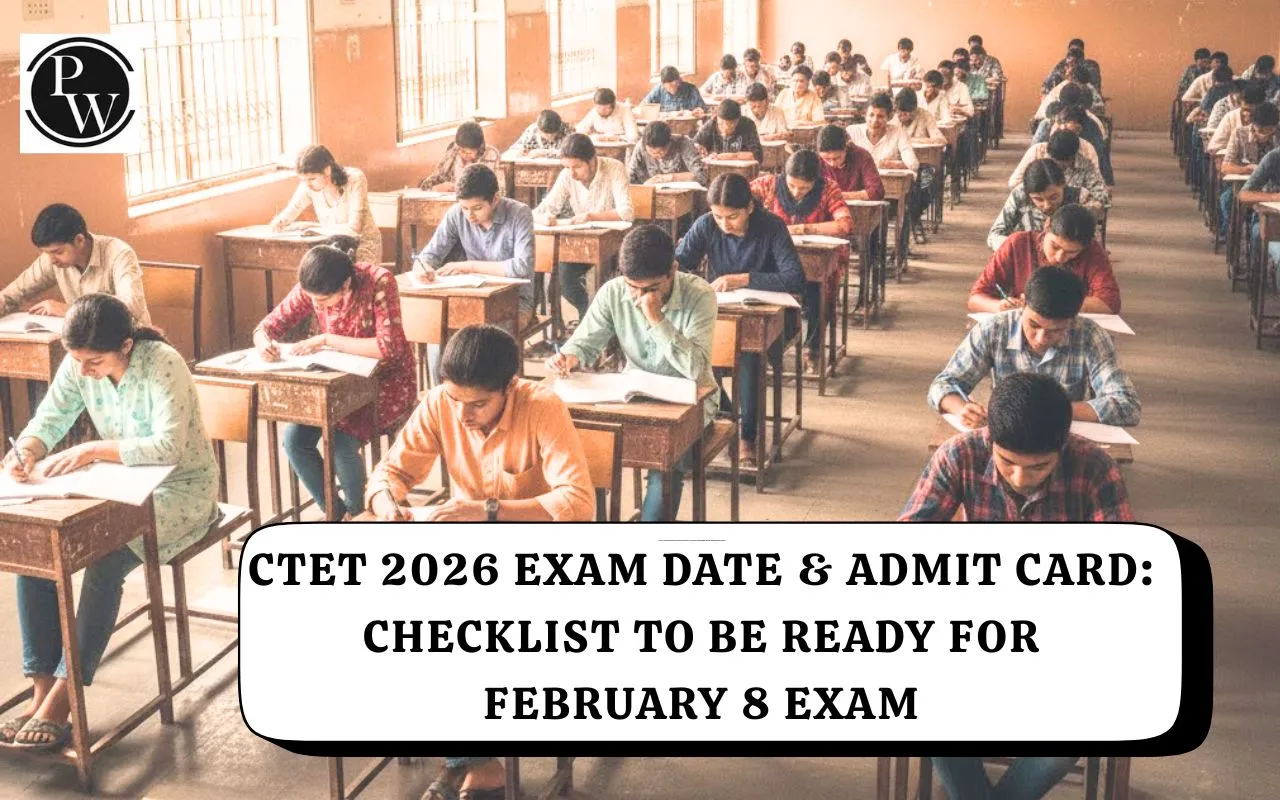
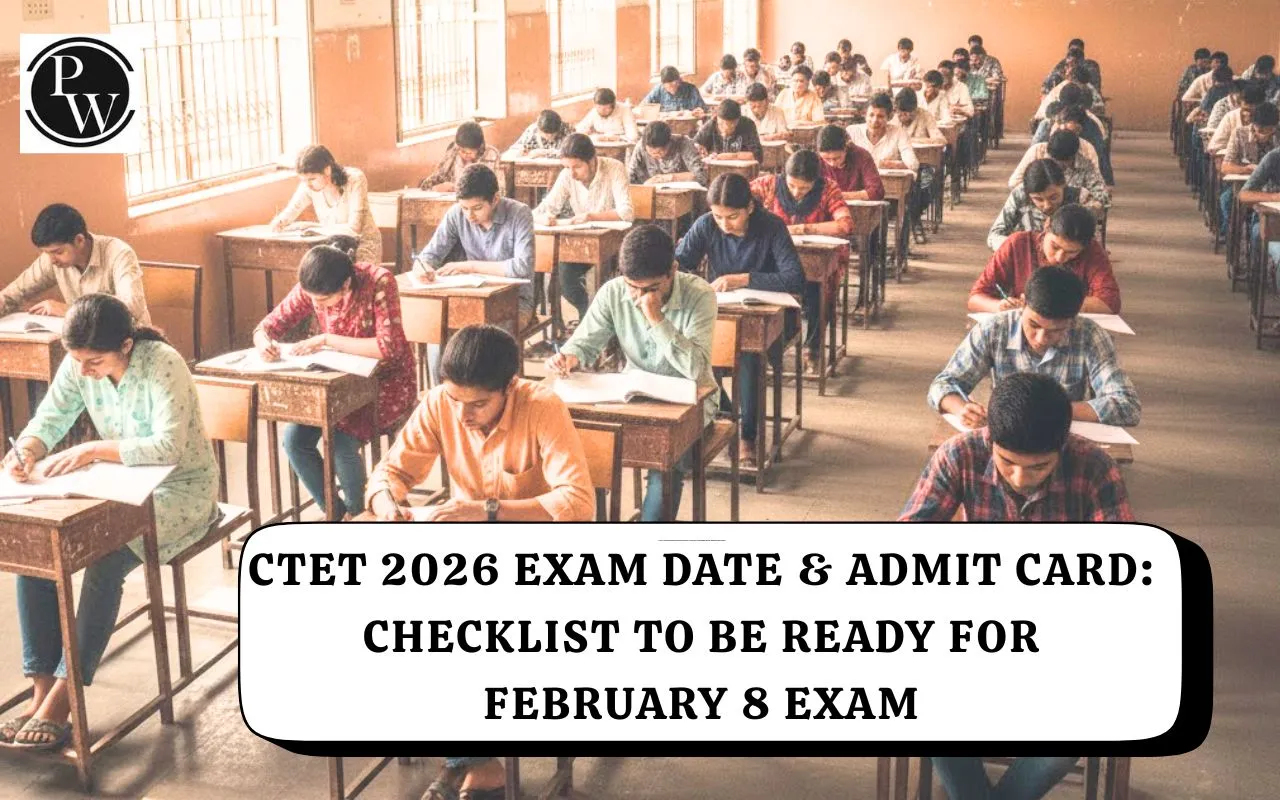
The Central Board of Secondary Education (CBSE) is all set to conduct the 21st edition of the Central Teacher Eligibility Test (CTET) on February 8, 2026. With over 25 lakh aspirants appearing for this national-level exam, the competition is fierce. Whether you are aiming for Paper 1 (Primary) or Paper 2 (Elementary), staying updated on the CTET 2026 Admit Card release and exam day protocols is crucial for a stress-free experience.
CTET 2026 Exam Date and Schedule
CTET 2026 will occur on Sunday, February 8, 2026, in offline pen-and-paper mode at 132 cities nationwide.
| CTET 2026 Exam Date and Schedule | ||||
| Paper | Classes | Shift Timing | Reporting Time | Gate Closure |
| Paper 1 | Classes 1–5 | 9:30 AM – 12:00 PM | 7:30 AM | 9:30 AM |
| Paper 2 | Classes 6–8 | 2:30 PM – 5:00 PM | 12:30 PM | 2:30 PM |
CTET 2026 Admit Card – Release Date (Expected)
The CTET 2026 admit card is expected to be released 7–10 days before the exam, likely in late January or early February 2026. Candidates can download it from the official websites: ctet.nic.in or cbse.gov.in.
How to Download CTET 2026 Admit Card
-
Visit the official CTET website.
-
Click on the CTET 2026 Admit Card link.
-
Enter your application number, date of birth, and security pin.
-
The admit card will appear—download and take a printout.
-
Verify all details, including name, DOB, exam center, and shift timing.
The admit card is mandatory for entry to the exam hall. Candidates must carry a printed copy along with a valid photo ID. Keep multiple copies safe for reference and travel.
Essential Exam Day Checklist: What to Carry
To avoid disqualification, ensure you have the following items ready at least 24 hours before the exam:
-
Printed Admit Card: A clear, legible printout of your CTET 2026 hall ticket.
-
Valid Photo ID (Original): Aadhaar Card, PAN Card, Passport, Voter ID, or Driving License.
-
Passport Size Photo: At least one recent photograph (preferably the same one used in the application).
-
Stationery: Good quality Blue or Black Ballpoint Pen for marking the OMR sheet.
-
Personal Safety (Optional): Small transparent bottle of hand sanitizer and a transparent water bottle.
Warning: Electronic gadgets (mobile phones, smartwatches, calculators), bags, books, and jewelry are strictly prohibited inside the examination hall.
Prohibited Items and Dress Code
Strict rules ensure security—no exceptions:
-
Banned Items: Mobile phones, calculators, smartwatches, earphones, bags, or electronic gadgets (left at centers at own risk).
-
Dress Guidelines: Light, half-sleeve clothing without metallic items; open footwear preferred for quick checks. Avoid heavy jewelry or accessories.
Follow these to prevent entry denial.
Key Preparation Strategy for the Last 15 Days
As the February 8 exam approaches, your focus should shift from learning new topics to consolidating what you know.
-
Focus on Pedagogy: Child Development and Pedagogy (CDP) carries significant weight in both papers. Practice situational questions.
-
Master the OMR: Since the exam is offline, practice filling OMR sheets to avoid "bubbling" errors that could cost you marks.
-
No Negative Marking: Remember, there is no negative marking in CTET 2026. Ensure you attempt all 150 questions.
-
Qualifying Marks: Aim for at least 60% (90/150 marks) if you are in the General category, and 55% (82/150 marks) for SC/ST/OBC/PwD.
CTET 2026 Exam Date FAQs
When will the CTET 2026 admit card be released?
What documents are required to carry to the CTET 2026 exam?
What is the CTET 2026 exam schedule?






Get Free Counselling Today
and Clear up all your Doubts
 Live & recorded classes available at easeDashboard for progress trackingLakhs of practice questions

