







Aastha Singh’s UPSC Rank 61 Journey: First Attempt Success with PW
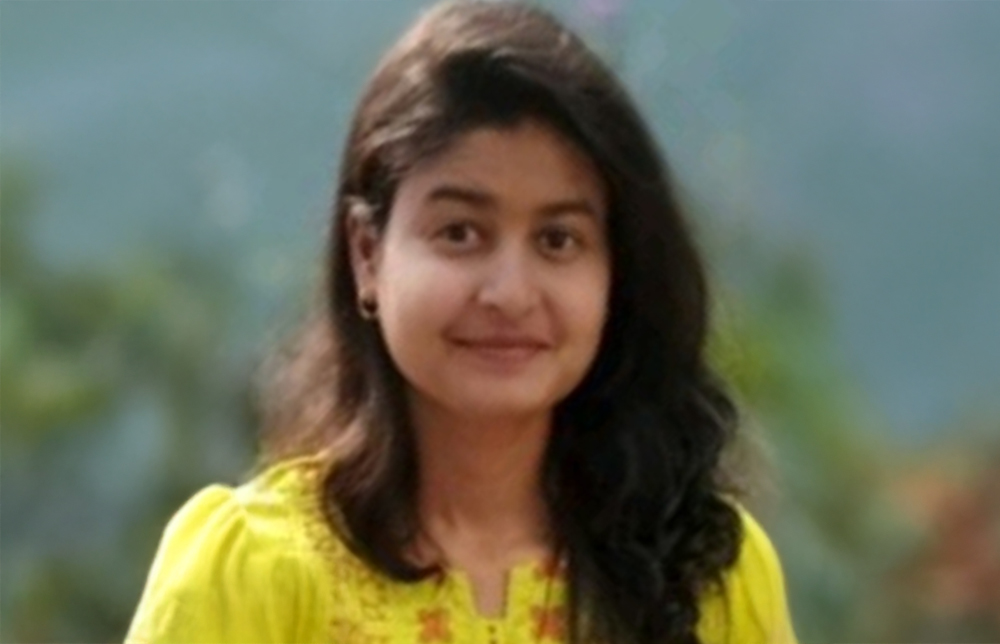
Starting UPSC preparation with less than a year left can make it difficult to decide what to study, which resources to trust, and how to manage time. Aastha Singh, UPSC AIR 61, also faced a similar situation after graduating from Shri Ram College of Commerce in June 2023. Instead of joining full-time foundation coaching, she chose to prepare from home through self-study and focused on limited resources, PYQs, and regular revision.
As her preparation moved towards Mains and Interview, she used PW Only IAS resources to support her strategy. Prahar helped her cover areas such as governance and social issues, while the PW Only IAS Interview Guidance Programme and mock interview gave her additional practice and confidence before the final stage.
How Aastha Singh Started Her UPSC CSE Preparation
After completing her Economics Honours degree from Shri Ram College of Commerce, Aastha began preparing seriously for UPSC CSE. With less than a year before her first attempt, she chose to study from home and build her preparation around self-study.
“Mujhe pata tha ki ek saal se kam hi tha mere paas attempt dene ke liye. I could not go for a full-time foundational coaching course. Right? Aur mujhe chahiye tha ki main apne ghar ke comfort se preparation karun.”
This decision shaped her preparation style. She handled General Studies through self-study and used online resources, while taking recorded lectures for Economics optional. She completed her optional first and then shifted her attention to Prelims.
For Prelims, she dedicated around five to five-and-a-half months to focused preparation, particularly PYQs, tests and repeated revision.
“Prelims ki preparation kari… Prelims mein… I focused extensively on PYQs. I focused extensively on giving as many tests as I can and doing an number of revisions for the same matter that I had made from the beginning of my preparation.”
This gave her a defined preparation framework instead of constantly expanding her sources.
How Aastha Singh Managed Limited Time and Preparation Pressure
Clearing Prelims brought another challenge. Aastha had already been selected for Haryana Civil Services, and her training began while she was preparing for UPSC Mains. This meant her available study time was limited.
“Although uss time tak main Haryana Civil Services mein already select ho gayi thi. And my training had started also. So I had to handle both my preparation as well as my training in that particular month of August.”
Instead of trying to cover everything, she focused on making the time available to her productive. Another challenge was the constant flow of new material online, which could easily create FOMO.
“It’s very important ki aap naye material ko na dekhein ki ye matter maine miss kar diya. Aaj naya naya kuch YouTube pe aaya hai. Kuch nayi PDF Telegram pe aayi hai. Toh that kind of FOMO we have to get out of. We have to stay away from it.”
Her response was simple: stick to reliable material and revise it multiple times. This helped her avoid constantly switching between sources while moving through Mains preparation to get a AIR 61 Rank .
How PW Only IAS Supported Aastha Singh in Mains and Interview
As Aastha progressed to the later stages, PW Only IAS became part of her preparation, particularly for Mains and Interview. She used Prahar magazine for areas such as social issues and governance.
“Toh Mains ke time pe Prahar magazine se maine kaafi subjects touch up kiye the. Se social issues ho gaya ya phir governance ho gaya. Governance toh entirely maine udhar se hi padha tha.”
For the Interview, she joined the PW Only IAS Interview Guidance Programme and took part in mock interviews. She found this preparation useful not only for practice but also for understanding her own views.
“Interview mein it was a major help. Interview Guidance Programme ki main ek student thi PW Only IAS ki.”
The Interview stage also pushed her towards deeper self-reflection. For Aastha, preparing for the panel meant thinking beyond expected questions and understanding her own opinions.
“I think interview prep mein aapko mostly just you have to sit back. You have to talk to yourself. You have to ask who am I? What do I think about this particular thing?”
PW Only IAS therefore supported specific stages of her preparation, while the larger journey continued to rely on her self-study and disciplined approach.
How Aastha Singh Turned Her Strategy into a Top 100 Result
Aastha Singh cleared UPSC CSE in her first attempt at 21 and secured AIR 61 which comes under Top 100 rank. She had also cleared Haryana Civil Services, but she does not describe her preparation as a perfect journey.
“I know it seems like very perfect ki matlab first attempt and everything. But obviously I have had tough times as well during this preparation.
Her preparation remained strongly centred on PYQs and mocks. She recommends solving previous years’ questions repeatedly rather than treating them as a one-time exercise.
“I cannot emphasize enough PYQs. I think maine at least teen baar saare PYQs for the past maybe 20 years. I did it.”
She also viewed mocks as a way to understand the examination rather than simply measure scores.
“It’s about, you know, having the mindset ki theek hai. I am understanding the psychology of the examiner. The kind of questions they want to ask? How am I going to tackle? What are the number of questions I want to attempt.”
What Aastha Singh’s UPSC Journey Means for Aspirants
Aastha Singh’s journey shows that a first-attempt UPSC success does not always follow a conventional preparation path. She started after graduation, prepared mainly from home, worked with limited time and still cleared Prelims, Mains and Interview in her first attempt.
Her experience points to a practical approach: choose reliable resources, revise them repeatedly, solve PYQs, use mocks to understand the exam and stay consistent even when the day does not go as planned. PW Only IAS supported her during the Mains and Interview stages, while her overall preparation remained rooted in self-study and disciplined use of time.
For aspirants, the most useful takeaway is not that her journey was easy, but that limited time and imperfect circumstances can be managed when preparation remains focused and consistent.





Get Free Counselling Today
and Clear up all your Doubts
 Live & recorded classes available at easeDashboard for progress trackingLakhs of practice questions

