

Atal Kisan Samman Yojana: Objectives, Eligibility, Benefits
Atal Kisan Samman Yojana offers crucial financial support to farmers. It aims to improve farmer income support and agricultural welfare. The scheme details eligibility, specific benefits, and the application process. It focuses on direct financial assistance to boost rural livelihoods.

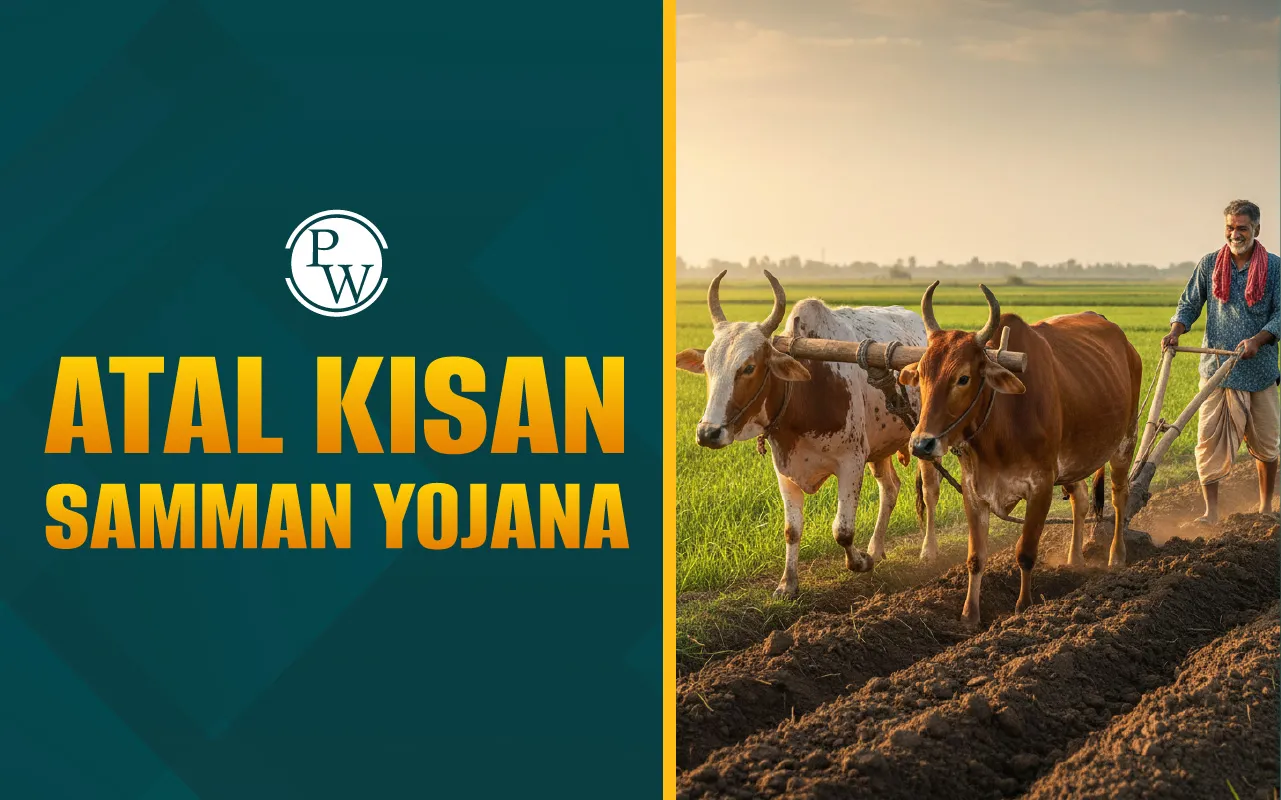
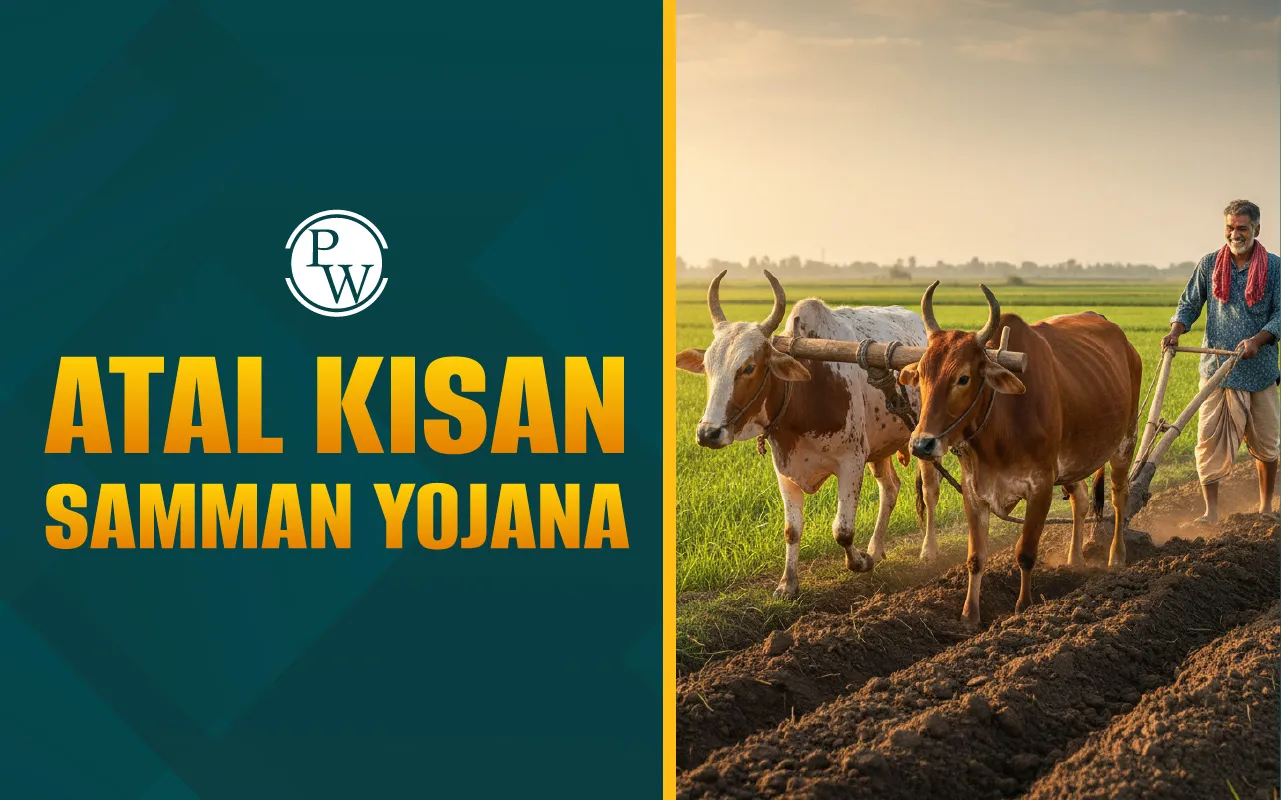
The Atal Kisan Samman Yojana is a leading government initiative. It provides financial aid to eligible farmers. Its main goal is to offer farmer income support. This scheme also promotes general agricultural welfare. It helps farmers meet their farming expenses and daily needs. Understanding this scheme is vital for agricultural students and future policy makers.
Atal Kisan Samman Yojana Details
This scheme supports farmers across the nation. It provides a structured approach to financial assistance. The focus remains on sustainable agriculture and farmer prosperity.
Scheme Objectives
The Yojana has clear objectives for rural development.
-
Boost Farmer Income: To directly supplement the income of small and marginal farmers.
-
Reduce Distress: To reduce financial burdens faced by the farming community.
-
Promote Agriculture Welfare: To support agricultural activities and practices.
-
Ensure Food Security: To strengthen the agricultural sector, indirectly helping food production.
Eligibility Criteria
To receive atal kisan benefits, farmers must meet specific conditions.
-
Landholding Size: Typically, small and marginal farmers qualify. This often means owning less than 2 hectares of cultivable land.
-
Citizenship: Beneficiaries must be Indian citizens.
-
Exclusions: Certain categories are excluded. These may include institutional landholders or high-income professionals. Government employees also do not qualify.
Benefits Offered
The scheme offers direct monetary benefits. These funds aim to support farming operations.
-
Financial Assistance: A fixed monthly amount is provided, usually Rs. 1000-5000 p.m. after attaining the age of 60 years until death.
-
Direct Bank Transfer: Funds go directly into the beneficiaries' bank accounts. This ensures transparency and efficiency.
Application Process
Farmers can apply for the scheme through established channels.
-
Online Portal: An official online platform is available for applications.
-
Offline Mode: Applications can also be submitted through local agricultural departments.
-
Required Documents: Applicants typically need land records, an Aadhaar card, and bank account details.
Implementation Structure
The scheme relies on cooperation between government levels.
-
Central Government Role: The central government funds the scheme. It also sets policy guidelines.
-
State Government Role: State governments identify eligible farmers. They also manage the application and verification process.
How Atal Kisan Samman Yojana Works?
The scheme uses modern mechanisms for effective delivery. This ensures the atal kisan benefits reach intended beneficiaries directly. These mechanisms improve scheme efficiency and accountability.
Direct Benefit Transfer (DBT)
DBT is a core mechanism for delivering farmer income support.
-
Cash Transfer: Financial aid is transferred directly to the farmer's bank account. This eliminates intermediaries.
-
Reduced Leakage: DBT helps minimize corruption and fund diversion.
-
Timely Support: Farmers receive financial help promptly. This assists them during critical agricultural cycles.
Aadhaar Linkage
Linking bank accounts with Aadhaar cards is crucial.
-
Beneficiary Identification: Aadhaar ensures accurate identification of beneficiaries. This prevents duplicate payments.
-
Data Verification: It helps verify farmer details against official databases. This supports the overall agriculture welfare objective.
Digital Land Records Integration
The scheme often uses digitized land records.
-
Ownership Verification: Digital records confirm land ownership and size. This simplifies eligibility checks.
-
Streamlined Process: It makes the application and verification process faster.
Atal Kisan Samman Yojana FAQs
What is the primary aim of the Atal Kisan Samman Yojana?
Who is eligible for the Atal Kisan Samman Yojana?
How is the financial assistance provided under the scheme?
What documents are typically required for the application?
Does this scheme cover all types of farmers?