







International Yoga Day 2026 – Theme, History, Significance, Date, PYQ Explained

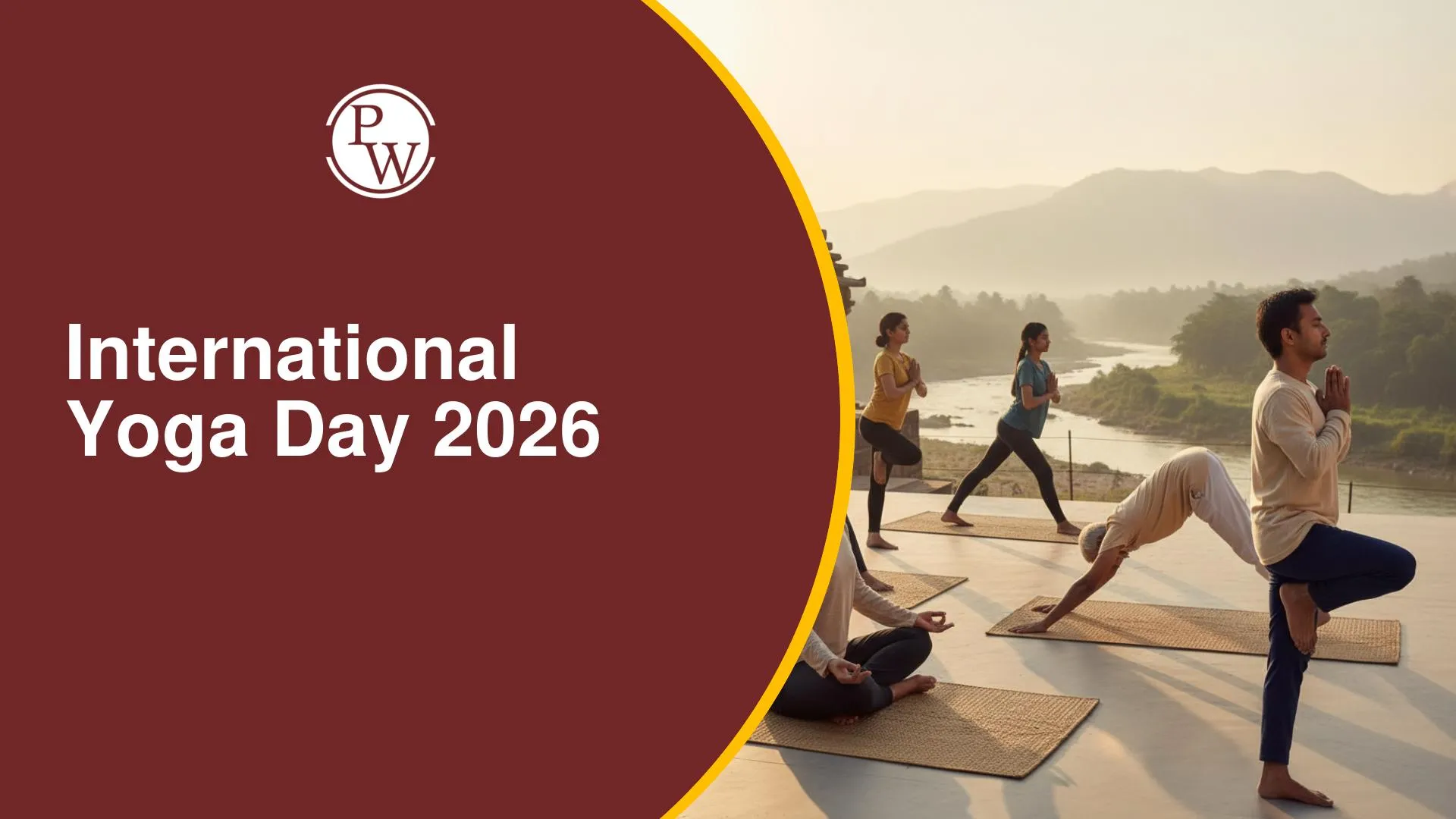
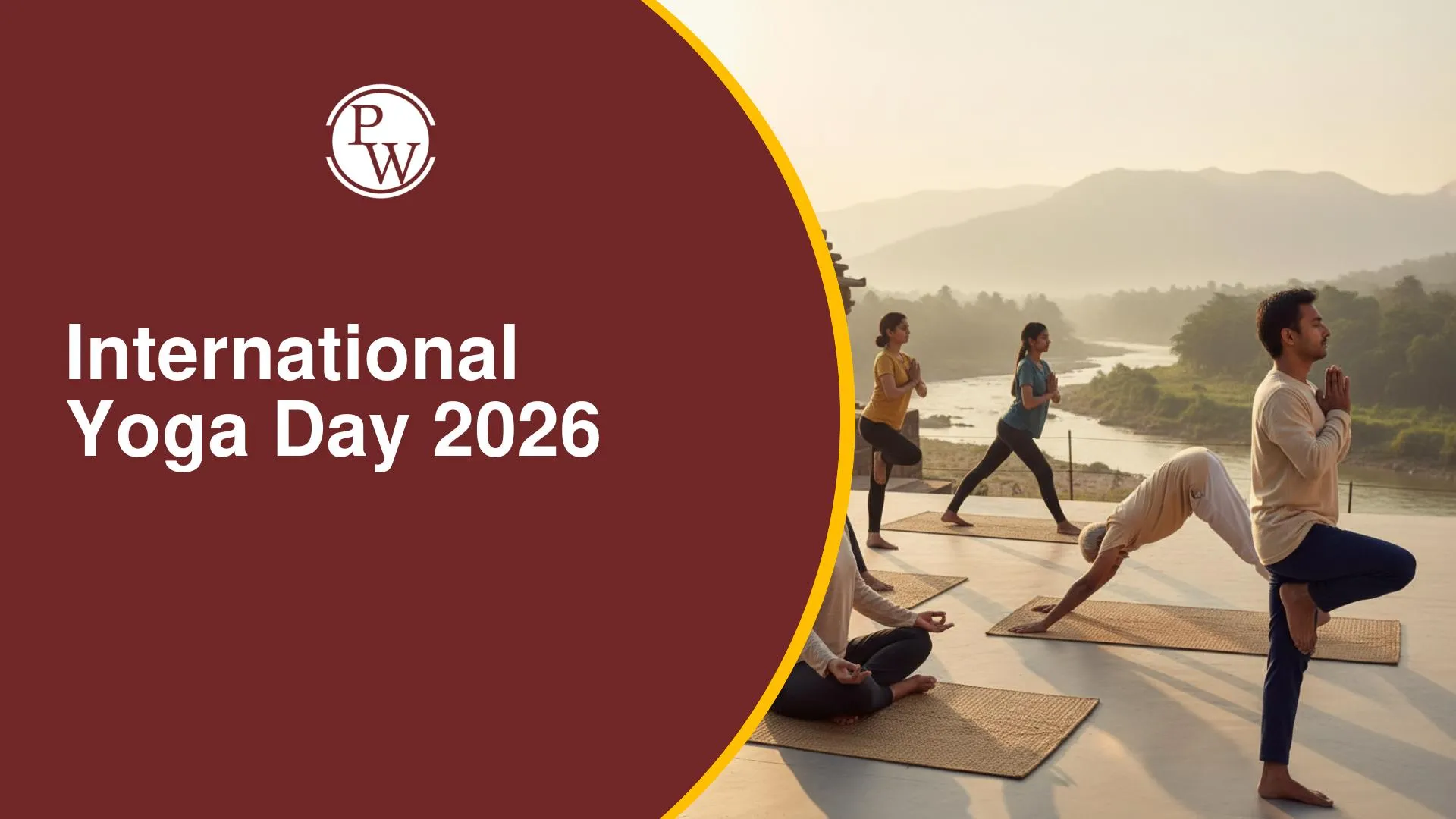
International Yoga Day 2026 is observed every year on 21 June across the world. It highlights the importance of yoga for physical, mental, and spiritual well-being. The United Nations officially recognised this day in December 2014 after India proposed it at the UN General Assembly.
Yoga represents India's rich cultural heritage and is one of its most powerful tools of soft power diplomacy globally. This year, International Yoga Day 2026 will mark the 12th edition of the global celebration, with theme-based events and awareness campaigns taking place in India and around the world.
This topic of 'International Yoga Day 2026' is important from the perspective of the UPSC IAS Examination, falling under General Studies Paper I (Indian Culture), General Studies Paper II (International Relations and Health), Essay, and Prelims Current Affairs.
International Yoga Day 2026 Overview
The table below provides a quick summary of the key facts about International Yoga Day 2026. It covers the date, theme, organisers, and global significance of this annual observance.
| Detail | Information |
| Event Name | International Day of Yoga (IDY) |
| Date | 21 June 2026 |
| Theme | Yoga for Wellness, Wisdom, and World Peace |
| Edition | 12th International Day of Yoga |
| Organised by | Ministry of AYUSH, Government of India (nodal ministry) |
| First Celebrated | 21 June 2015 |
| UN Recognition Year | 11 December 2014 (Resolution 69/131) |
| Purpose | To raise global awareness about the physical, mental, and spiritual benefits of yoga |
| Global Significance | Celebrated in over 190 countries; one of the most widely observed UN days |
Timeline of International Yoga Day
From its proposal in 2014 to the 12th edition in 2026, International Yoga Day has grown steadily into a global movement. The table below traces the key milestones in its journey, including yearly themes and major events.
| Year | Key Milestone |
| 2014 | PM Narendra Modi proposed International Yoga Day at the UN General Assembly on 27 September. The UN adopted Resolution 69/131 on 11 December, officially recognising 21 June as the International Day of Yoga. |
| 2015 | The first International Day of Yoga was celebrated on 21 June at Rajpath, New Delhi. The event set two Guinness World Records — for 35,985 participants at a single yoga session and for 84 nationalities participating together. Theme: Yoga for Harmony & Peace. |
| 2016 | Celebrated in Chandigarh. Theme: Connect the Youth. |
| 2017 | Celebrated in Lucknow with 51,000 participants. Theme: Yoga for Health. |
| 2018 | Celebrated in Dehradun with 50,000 participants. Theme: Yoga for Peace. |
| 2019 | Celebrated in Ranchi. Theme: Climate Action. |
| 2020 | Celebrations moved online due to the COVID-19 pandemic. Theme: Yoga for Health – Yoga at Home. |
| 2021 | PM Modi launched the WHO M-Yoga App. Theme: Yoga for Wellness. |
| 2022 | Celebrated at Mysuru Palace Ground, Karnataka. Theme: Yoga for Humanity. |
| 2023 | PM Modi participated in events in New York. Theme: Yoga for Vasudhaiva Kutumbakam. |
| 2024 | 10th edition. Theme: Yoga for Women Empowerment. |
| 2025 | 11th edition. Theme: Yoga for One Earth, One Health. |
| 2026 | 12th edition. Theme: Yoga for Wellness, Wisdom, and World Peace. |
What is International Yoga Day?
International Yoga Day is a global observance held every year on 21 June. It was established to spread awareness about the wide-ranging benefits of yoga. The word "Yoga" comes from the Sanskrit root yuj, which means "to join" or "to unite". It symbolises the union of mind and body, thought and action, and the harmony between human beings and nature.
Why 21 June?
21 June is the summer solstice in the Northern Hemisphere. It is the longest day of the year. This date holds special significance in many cultures. In the yogic tradition, the summer solstice is considered an important time to begin meditation and inner reflection. This made 21 June a fitting choice for the International Yoga Day date.
Yoga is not just a physical practice. It is a holistic system that covers physical postures (asanas), breathing techniques (pranayama), and meditation. It helps connect the body, mind, and soul. The United Nations recognised yoga as a universal practice that can benefit the health of people across the globe.
History of International Yoga Day
The International Yoga Day began on 27 September 2014. On that day, Prime Minister Narendra Modi addressed the 69th session of the United Nations General Assembly. He proposed that the UN recognise an international day dedicated to yoga.
In his address, PM Modi said:
"Yoga is an invaluable gift from our ancient tradition. Yoga embodies unity of mind and body, thought and action... Yoga is not just about exercise; it is a way to discover the sense of oneness with yourself, the world, and nature."
The proposal received overwhelming support. The draft resolution was endorsed by a record 175 member states — the highest number of co-sponsors for any UN General Assembly resolution at that time. On 11 December 2014, the UN officially proclaimed 21 June as the International Day of Yoga through Resolution 69/131.
The first International Day of Yoga was celebrated on 21 June 2015 at Rajpath in New Delhi. PM Narendra Modi led the event, which saw 35,985 people participating in a single yoga session. This set a Guinness World Record. The event also set another record for the most nationalities (84) participating in a yoga session at one location.
Since 2015, this day has grown into one of the most widely observed UN days globally. It is celebrated in more than 190 countries, making it a true global wellness movement.
International Yoga Day 2026 Theme
The International Yoga Day theme 2026 is "Yoga for Wellness, Wisdom, and World Peace".
This theme reflects the growing global need for natural healing, mental clarity, and peaceful coexistence. Each of the three words carries deep meaning:
-
Wellness – Yoga strengthens the body and supports preventive healthcare. It addresses lifestyle diseases and promotes physical health.
-
Wisdom – Yoga deepens self-awareness and sharpens focus. It teaches clarity of thought and mindful decision-making.
-
World Peace – Yoga fosters inner peace, which leads to harmonious communities. A person at peace with themselves contributes to a more peaceful society.
The Yoga Day 2026 theme carries special relevance in today's world, which faces challenges such as stress, mental health crises, and global conflicts. The theme encourages people to look inward for solutions that have a broader social impact.
Each year, the annual theme guides events, campaigns, and communication around International Day of Yoga 2026. Previous themes have focused on humanity, the environment, women's empowerment, and global interconnectedness. The 2026 theme continues this tradition by addressing both personal and collective well-being.
Significance of International Yoga Day
The significance of International Yoga Day goes beyond a single day of exercise. It reflects a larger global movement toward preventive and holistic healthcare.
-
Physical Health Benefits: Yoga improves flexibility, muscle strength, and body posture. Regular practice helps manage conditions such as back pain, hypertension, and diabetes. The World Health Organization (WHO) notes that physical inactivity is among the top ten leading causes of death worldwide. Yoga offers an accessible and effective solution to this problem.
-
Mental Wellness and Stress Management: Yoga reduces stress, anxiety, and depression. It promotes mindfulness and emotional balance. In a fast-paced world, yoga provides tools to manage burnout and mental fatigue. Breathing exercises (pranayama) help regulate the nervous system and improve sleep quality.
-
Preventive Healthcare: Yoga is a system of preventive care. It reduces dependence on medication by promoting a healthy lifestyle. This makes it economically valuable, especially in developing countries with high healthcare costs.
-
Global Awareness of Healthy Living: International Yoga Day brings global attention to the importance of physical activity and mental wellness. It encourages governments, schools, and workplaces to prioritise health.
-
India's Soft Power Diplomacy: International Yoga Day in India is also a matter of national pride. Yoga is India's gift to the world. By promoting it globally, India strengthens its soft power — its ability to influence other countries through culture rather than force. Yoga is part of India's cultural diplomacy and has helped improve India's image internationally.
-
Promotion of Traditional Indian Knowledge: Yoga is inscribed on UNESCO's Representative List of the Intangible Cultural Heritage of Humanity (2016). International Yoga Day helps preserve and promote this ancient Indian knowledge system for future generations.
Benefits of Yoga
Yoga offers wide-ranging benefits that go beyond physical fitness. Regular practice positively impacts the body, mind, and overall quality of life. Some of the key benefits are listed below.
-
Improves flexibility, balance, and muscle tone
-
Reduces stress, anxiety, and depression
-
Lowers blood pressure and supports heart health
-
Enhances concentration, memory, and mental clarity
-
Promotes better sleep
-
Helps manage weight and metabolism
-
Strengthens the immune system
-
Encourages mindfulness and emotional stability
-
Supports respiratory health through pranayama
-
Promotes spiritual growth and inner peace
Major Types of Yoga
Yoga is not a single practice. It includes several distinct traditions, each with a different focus and approach. The table below explains the major types of yoga that are practised in India and around the world.
| Type of Yoga | Description |
| Hatha Yoga | Focuses on physical postures (asanas) and breathing. It is ideal for beginners and builds a strong physical foundation. |
| Raja Yoga | Known as the "royal path", it focuses on meditation and mental discipline. It is based on Patanjali's Yoga Sutras. |
| Karma Yoga | The yoga of selfless action. It teaches performing duties without attachment to results. |
| Bhakti Yoga | The path of devotion and love. It involves devotional practices directed toward a higher power. |
| Jnana Yoga | The yoga of knowledge and wisdom. It focuses on self-inquiry and philosophical study. |
| Ashtanga Yoga | A dynamic, physically demanding style involving a fixed sequence of postures linked with breath. |
| Kundalini Yoga | Focuses on awakening energy at the base of the spine through postures, breathing, chanting, and meditation. |
International Yoga Day 2026 Celebration in India
India is the home of yoga, and the International Yoga Day celebration in India is organised on a large scale every year. The Ministry of AYUSH is the nodal ministry for all IDY activities. Key events for International Yoga Day 2026 in India include:
Yoga Mahotsav 2026
The Ministry of AYUSH, through the Morarji Desai National Institute of Yoga (MDNIY), organised Yoga Mahotsav 2026 on 13 March 2026 at Vigyan Bhawan, New Delhi. This event marked the formal start of the 100-day countdown to IDY 2026. Union Minister of State for AYUSH, Shri Prataprao Jadhav, inaugurated the event. It brought together yoga gurus, Ayush experts, medical professionals, and government officials.
As part of this initiative, 100 organisations were engaged to promote yoga in 100 cities across India during the countdown period. This "100 Days, 100 Cities, 100 Organisations" initiative aims to take yoga to every corner of the country.
Mass Yoga Demonstrations
On 21 June 2026, mass yoga demonstrations will be held at 100 iconic locations across India. These sessions are typically led by the Prime Minister.
School and College Programmes
Educational institutions across India organise yoga sessions, essay competitions, and awareness activities. The Common Yoga Protocol (CYP) is distributed to guide students and teachers in standardised yoga practice.
Government Campaigns and Digital Sessions
The Ministry of AYUSH runs awareness campaigns through social media, television, and online platforms. Digital yoga sessions allow citizens to participate from home. Campaigns such as the Yog Geet Jingle Contest, E-poster Competition, and Reel Contest are organised on the MyGov platform.
Community Participation
Community centres, yoga federations, NGOs, and corporate organisations participate through public yoga sessions and health drives.
International Yoga Day 2026 Global Celebration
International Day of Yoga 2026 is celebrated in over 190 countries. The global celebration reflects yoga's universal appeal.
United Nations Participation
The United Nations organises an official yoga event at its headquarters in New York, typically held at the North Lawn Area. This event is organised by the Permanent Mission of India to the UN in collaboration with the UN Secretariat.
Indian Embassies Abroad
Indian embassies and consulates worldwide organise yoga events in their host countries. These events serve as platforms for cultural diplomacy and people-to-people contact.
Global Yoga Events
Yoga practitioners, studios, and wellness organisations across the world hold sessions, workshops, and online events. The WHO M-Yoga App, developed jointly by WHO and the Government of India, is used globally to guide practice.
Public Awareness Campaigns
Governments, NGOs, and media organisations promote yoga through campaigns, hashtags, and community programmes. Campaigns like #IDY2026 and #InternationalDayOfYoga encourage global participation.
Cultural Diplomacy Initiatives
The global spread of yoga has helped India position itself as a leader in wellness and preventive healthcare. It has also strengthened bilateral ties between India and other countries through shared cultural values.
UPSC Practice Questions
International Yoga Day 2026 FAQs
Why is International Yoga Day celebrated on 21 June?
What is the theme of International Yoga Day 2026?
Who proposed International Yoga Day at the United Nations?
Which ministry organises International Yoga Day celebrations in India?
Why is International Yoga Day important for UPSC preparation?







 Live & recorded classes available at easeDashboard for progress trackingLakhs of practice questions


