Internet Connections in Panchayats: BharatNet, FTTH & Rural Broadband Expansion in India

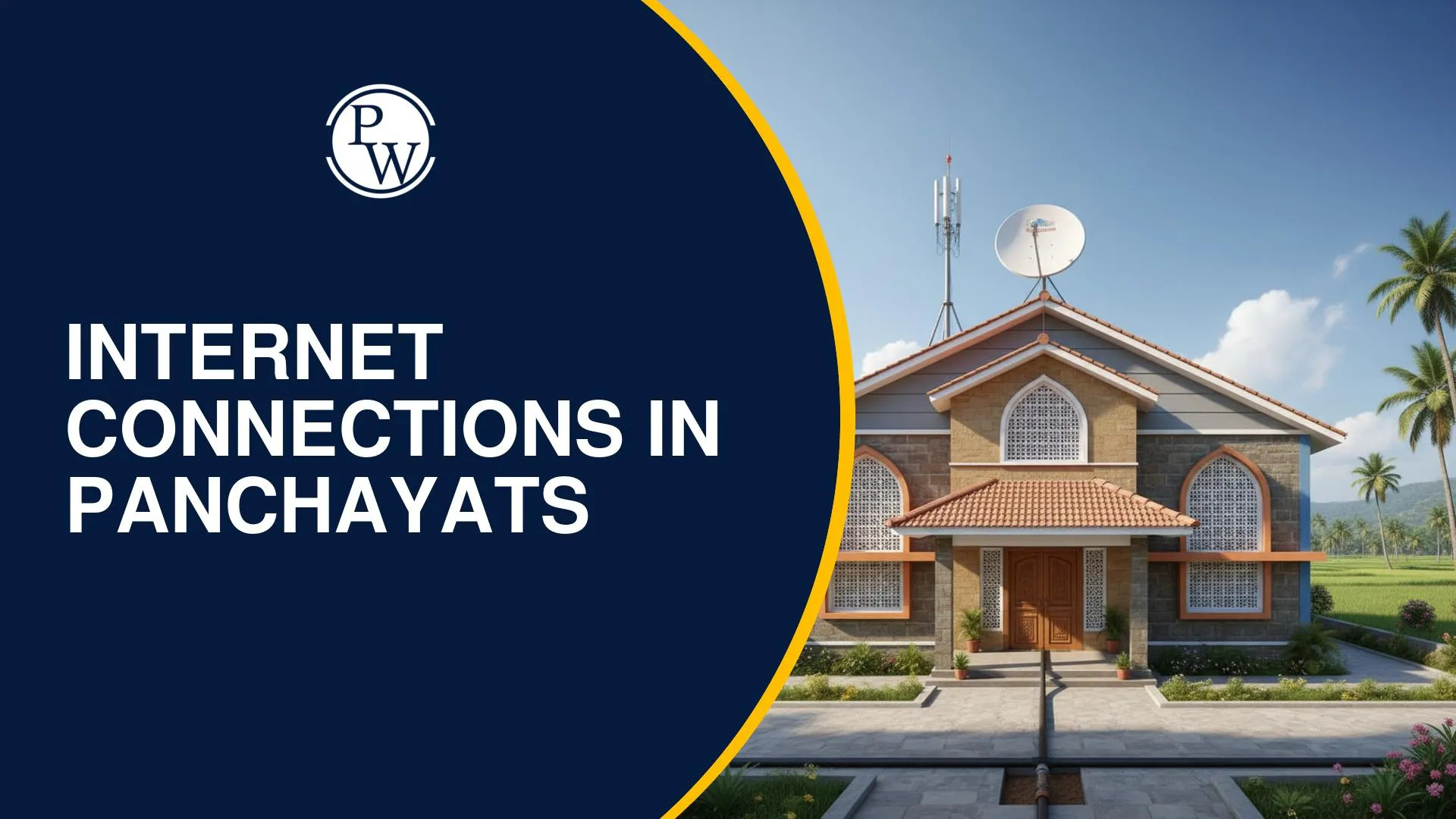
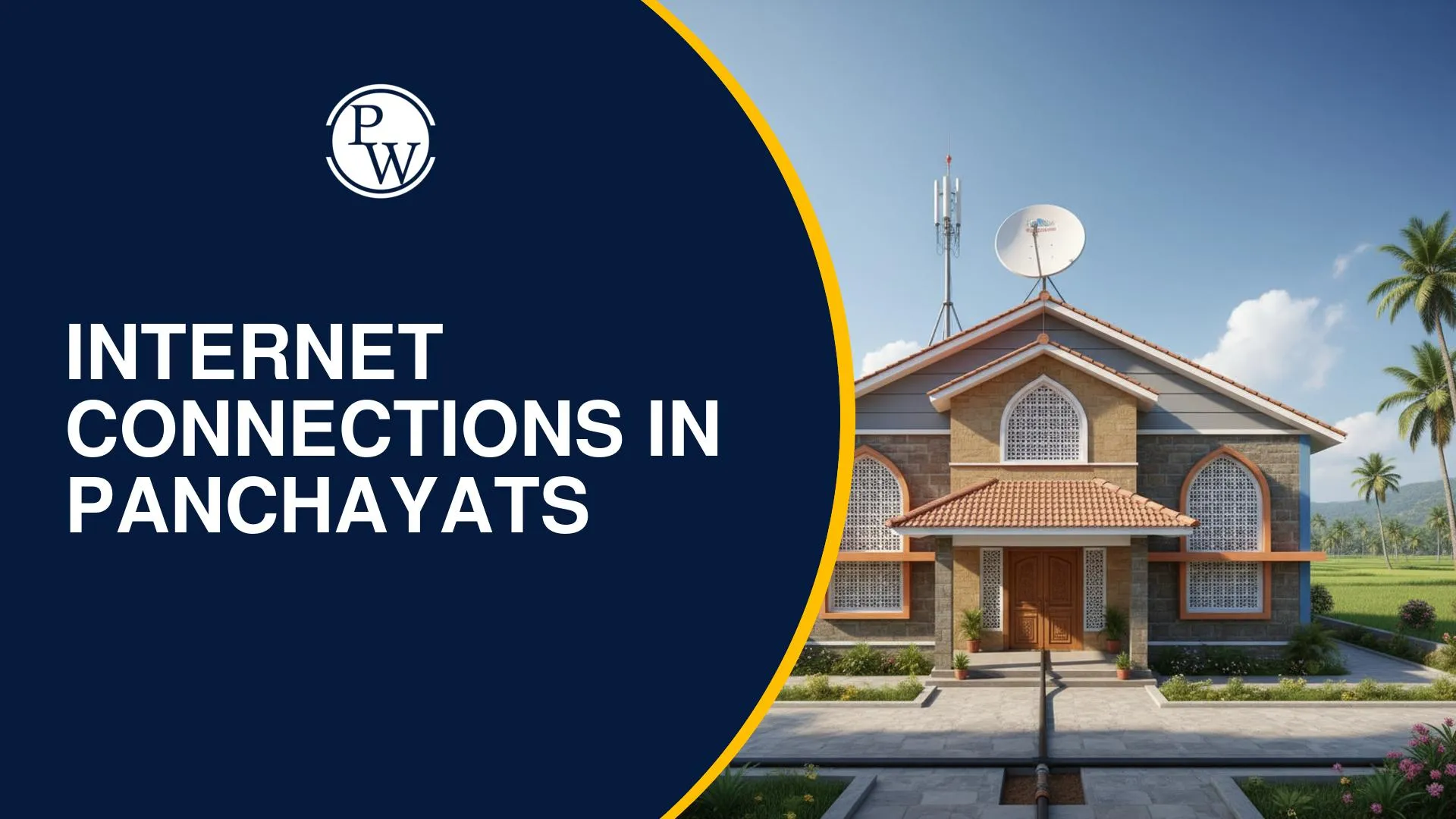
Reliable internet access has become a cornerstone of socio-economic growth in the modern era. While urban centres thrive on high-speed data, many rural regions, specifically Gram Panchayats, have historically faced a significant digital divide. Strengthening internet connections in panchayats is no longer just a technical goal; it is an important mission to ensure that rural India can participate fully in the global digital economy.
By establishing robust digital infrastructure, the government is enabling seamless access to e-governance, online education, and telemedicine at the grassroots level. This transformation is essential for fostering transparent local governance and ensuring that the benefits of the digital revolution reach every citizen, regardless of their geographic location.
Internet Connections in Panchayats Overview
Internet connections in panchayats are important for rural development. They help Gram Panchayats use digital governance tools effectively. The government focuses on creating a strong digital infrastructure in rural India. This ensures that villages can access online services, education, and healthcare. It bridges the gap between urban and rural digital access.
|
Internet Connections in Panchayats Overview |
|
|
Feature |
Details |
|
Primary Project |
BharatNet Project (formerly National Optical Fibre Network). |
|
Target Entities |
2,69,062 Gram Panchayats (GPs) and Traditional Local Bodies (TLBs). |
|
Implementation Goal |
Providing non-discriminatory high-speed broadband access to all rural citizens. |
|
Core Technologies |
A mix of Optical Fibre Cable (OFC), Radio, and Satellite (for hilly/remote areas). |
|
Key Enabler |
Fibre-To-The-Home (FTTH) connections for schools, hospitals, and post offices. |
|
Funding Source |
Funded by the Universal Service Obligation Fund (USOF). |
Digital Infrastructure in Rural India
The government works to strengthen digital access at the Gram Panchayat level. This helps to use digital governance tools well. All Gram Panchayats connect to the internet through various ways. These include Fibre-To-The-Home (FTTH) connections and private Internet Service Providers. The BharatNet Programme is a key part of this effort. It provides optical fibre connectivity to all Gram Panchayats, including Traditional Local Bodies. This allows for high-speed broadband connectivity in villages.
As per recent data from the BharatNet UNMS dashboard, out of 2.69 lakh Gram Panchayats and Traditional Local Bodies, over 2.18 lakh are now service-ready. This shows good progress in extending internet in gram panchayats.
|
Digital Infrastructure in Rural India |
|||
|---|---|---|---|
|
S. No. |
States/UTs |
Total GPs & Equivalents |
Service Ready Points
|
|
1 |
Uttar Pradesh |
57695 |
47451 |
|
2 |
Maharashtra |
28002 |
24778 |
|
3 |
Madhya Pradesh |
23011 |
18106 |
|
4 |
Gujarat |
14621 |
14563 |
|
5 |
Andhra Pradesh |
13327 |
12972 |
|
6 |
Punjab |
13236 |
12807 |
|
… |
… |
… |
… |
|
Total |
269062 |
218347 |
|
Note: Some Gram Panchayats may have more than one service-ready point.
BharatNet Programme Details
The BharatNet Project aims to connect all Gram Panchayats with high-speed broadband. This is one of the world's largest rural telecom projects. It ensures non-discriminatory access to broadband for all telecom service providers. This allows mobile operators, ISPs, and content providers to offer services in rural India. The project started in 2011 and has two main phases.
BharatNet Phases
-
Phase-I: This phase connected over 1 lakh Gram Panchayats by December 2017. It used existing fibre and laid new optical fibre cable (OFC) to connect block headquarters to Gram Panchayats.
-
Phase-II: Approved in 2017, this phase uses a mix of media like OFC, radio, and satellite. It uses different implementation models:
-
State-Led Model: States like Gujarat and Maharashtra work on the project.
-
CPSU-Led Model: Public sector units like BSNL manage implementation in states such as Uttar Pradesh.
-
Private-Led Model: Private companies handle projects in states like Punjab.
-
Satellite: BBNL and BSNL implement satellite connections for remote areas.
The project promotes fibre-to-the-home FTTH India connections and Wi-Fi hotspots. These provide internet services in public places like schools, hospitals, and post offices. Over ₹22,001.30 crore has been disbursed under the BharatNet Project between 2020-21 and 2024-25.
|
fibre-to-the-home FTTH India |
|
|---|---|
|
Financial Year |
Fund Disbursed (₹ crore)
|
|
2020-21 |
5919.79 |
|
2021-22 |
7510.96 |
|
2022-23 |
1500.00 |
|
2023-24 |
3075.54 |
|
2024-25 |
3995.01 |
|
Total |
22001.30 |
Broadband Connectivity in Villages
High-speed broadband connectivity in villages transforms rural areas. It enables digital governance tools India to reach every citizen. Villagers can access services like e-health, e-education, and e-governance more easily. This reduces travel time and costs. It also opens new opportunities for businesses and communication in rural internet connectivity India. The goal is to bring digital benefits to everyone.
Internet Connections in Panchayats FAQs
1. What is the main aim of the BharatNet Programme?
2. How many Gram Panchayats are service-ready under BharatNet?
3. What technologies does BharatNet use for internet connections?
4. Why is internet connectivity important for Gram Panchayats?


Have questions about your prep?
Our experts can answer all your questions