






Kakori Conspiracy 1925: Causes, Objectives, Events
 Ekta Rakesh singh27 Feb, 2026
Share
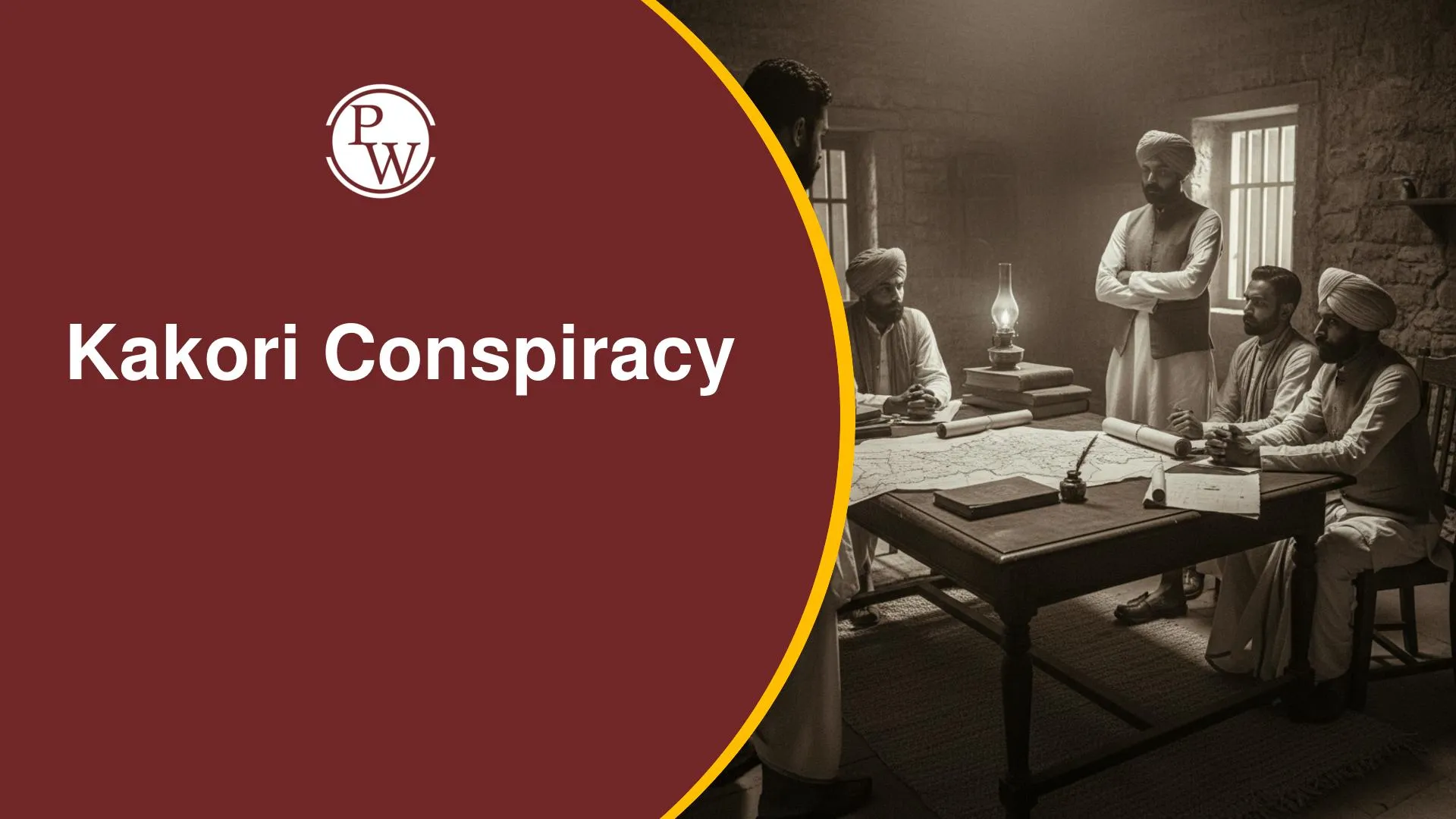
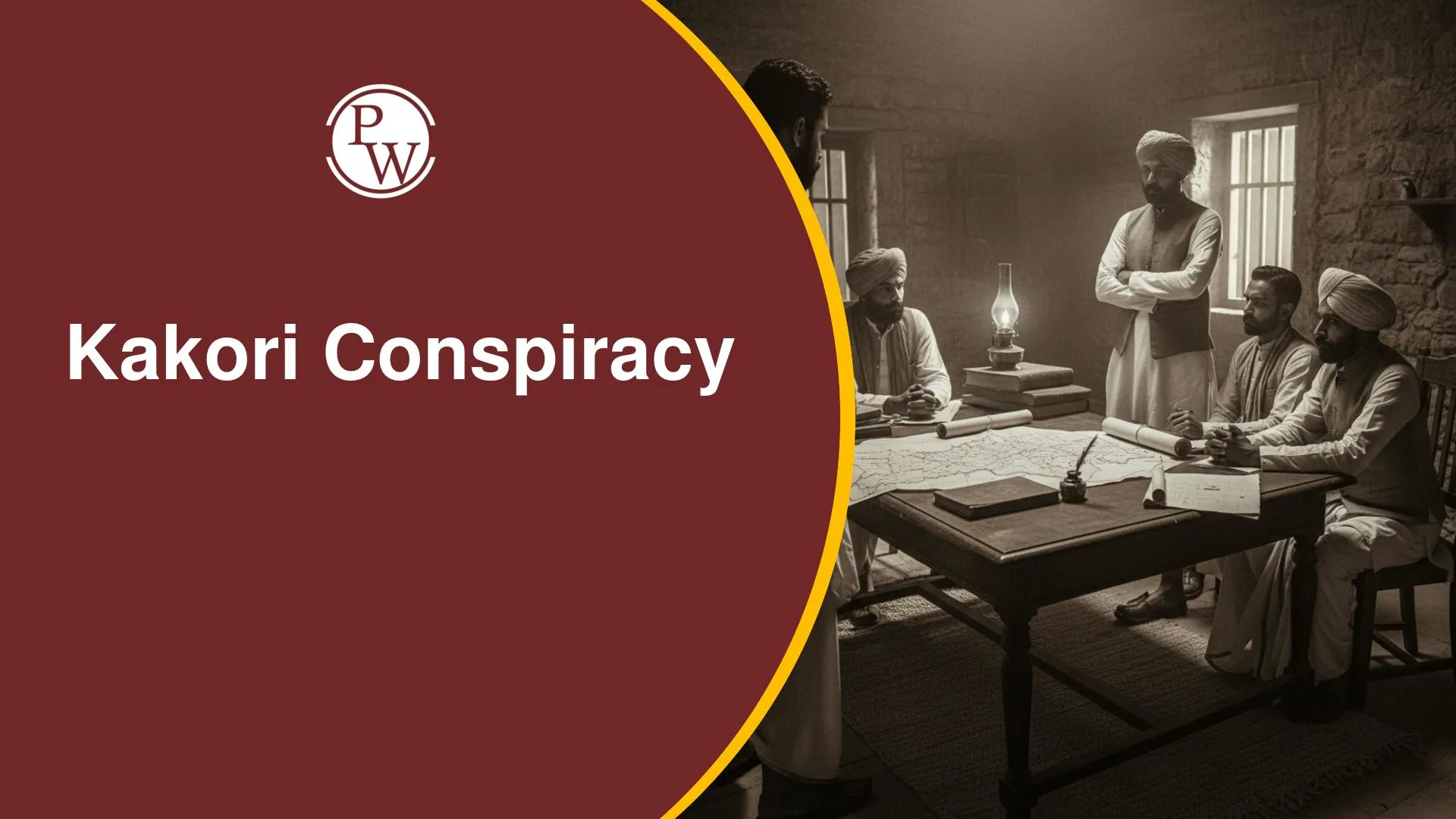
Kakori Conspiracy, also known as the Kakori Train Robbery, happened on August 9, 1925. Revolutionaries from the Hindustan Republican Association (HRA) looted a British government train. This act aimed to fund their fight against colonial rule. The incident marked a significant step in India's revolutionary movement, challenging British authority directly.
Kakori Conspiracy Overview
Kakori Conspiracy was a revolutionary action carried out on 9 August 1925 by members of the Hindustan Republican Association to challenge British authority and secure funds for the independence movement. The incident marked a decisive shift towards armed resistance during India's freedom struggle. It remains one of the most significant revolutionary events in modern Indian history.
|
Kakori Conspiracy Overview |
|
|
Particulars |
Details |
|
Event Name |
Kakori Conspiracy Case 1925 / Kakori Train Robbery |
|
Date |
9 August 1925 |
|
Location |
Kakori, near Lucknow |
|
Organisation Involved |
Hindustan Republican Association |
|
Key Leaders |
Ram Prasad Bismil, Ashfaqulla Khan, Rajendra Lahiri, Thakur Roshan Singh |
|
Nature of Event |
Seizure of British Government Treasury |
|
Objective |
Fund revolutionary activities |
|
Outcome |
Arrests, executions, long prison terms |
|
Historical Impact |
Strengthened revolutionary nationalism |
Causes of Kakori Conspiracy
By the early 1920s, many young revolutionaries had become disillusioned with constitutional and non-violent methods. The suspension of movements like the Non-Cooperation Movement led to frustration among radical nationalists. Key causes included:
-
Dissatisfaction with non-violent struggle led by Mahatma Gandhi
-
Need for funds to sustain revolutionary activities
-
Desire to challenge British authority through direct action
-
Growing belief in armed resistance
The HRA believed that revolutionary action was necessary to overthrow colonial rule.
Kakori Conspiracy Objective
Kakori action was carefully planned with both practical and symbolic goals. It was not merely a robbery but a political statement. The main objectives were:
-
To obtain funds for revolutionary activities
-
To weaken British administrative control
-
To inspire nationalist sentiments among Indians
-
To demonstrate resistance against colonial exploitation
The money looted was collected through taxes imposed on Indians, making it a symbolic reclaiming of wealth.
Kakori Train Robbery Events
On August 9, 1925, the Number 8 Down Train travelled from Shahjahanpur to Lucknow. Near Kakori village, revolutionaries pulled the emergency chain. They stopped the train and overpowered the guard. They looted cash bags containing about ₹8,000. This money was meant for the British treasury. Ram Prasad Bismil and Ashfaqulla Khan were among those involved in this incident.
HRA Revolutionary Activities
The Kakori incident was a significant part of HRA revolutionary activities. The Hindustan Republican Association worked to overthrow British rule. They planned several acts of resistance. The train robbery was a vital step to finance these efforts. It showed their dedication to armed struggle. These actions aimed to challenge British power and gather public support.
Kakori Conspiracy Trial and Outcome
After the train robbery, British authorities launched a large manhunt. Many revolutionaries were quickly arrested. The Kakori conspiracy trial took place from 1925 to 1926. The accused faced serious charges. Four key revolutionaries were sentenced to death: Ram Prasad Bismil, Ashfaqulla Khan, Rajendra Lahiri, and Thakur Roshan Singh. Severe repression followed. Others received long prison terms. Chandrashekhar Azad remained at large.
Kakori Martyrs and Legacy
The executions made Ram Prasad Bismil, Ashfaqulla Khan, Rajendra Lahiri, and Thakur Roshan Singh Kakori martyrs. Their sacrifices deeply influenced the Indian freedom struggle. They became powerful symbols of courage. Their actions inspired future freedom fighters like Bhagat Singh. They fueled the revolutionary movement in India.
Kakori Conspiracy Significance and Impact
Kakori conspiracy impact was profound. It pushed forward the revolutionary phase of the Indian freedom struggle. The sacrifices created new heroes and motivated others. The Hindustan Republican Association adapted after this event. They reformed as the Hindustan Socialist Republican Association (HSRA) in 1928. This showed an evolution in their methods.
Kakori Conspiracy Importance for UPSC Exams
This topic is key for understanding India's modern history. It offers insight into the revolutionary path of the independence movement. Understanding these groups' motives and actions is crucial. This incident often features profoundly in UPSC exams. Focus on key figures, dates, objectives, and outcomes by studying Kakori conspiracy UPSC notes. The Kakori martyrs are especially important.