Krishak Bakri Palan Yojna: Benefits, Eligibility, Subsidy Details

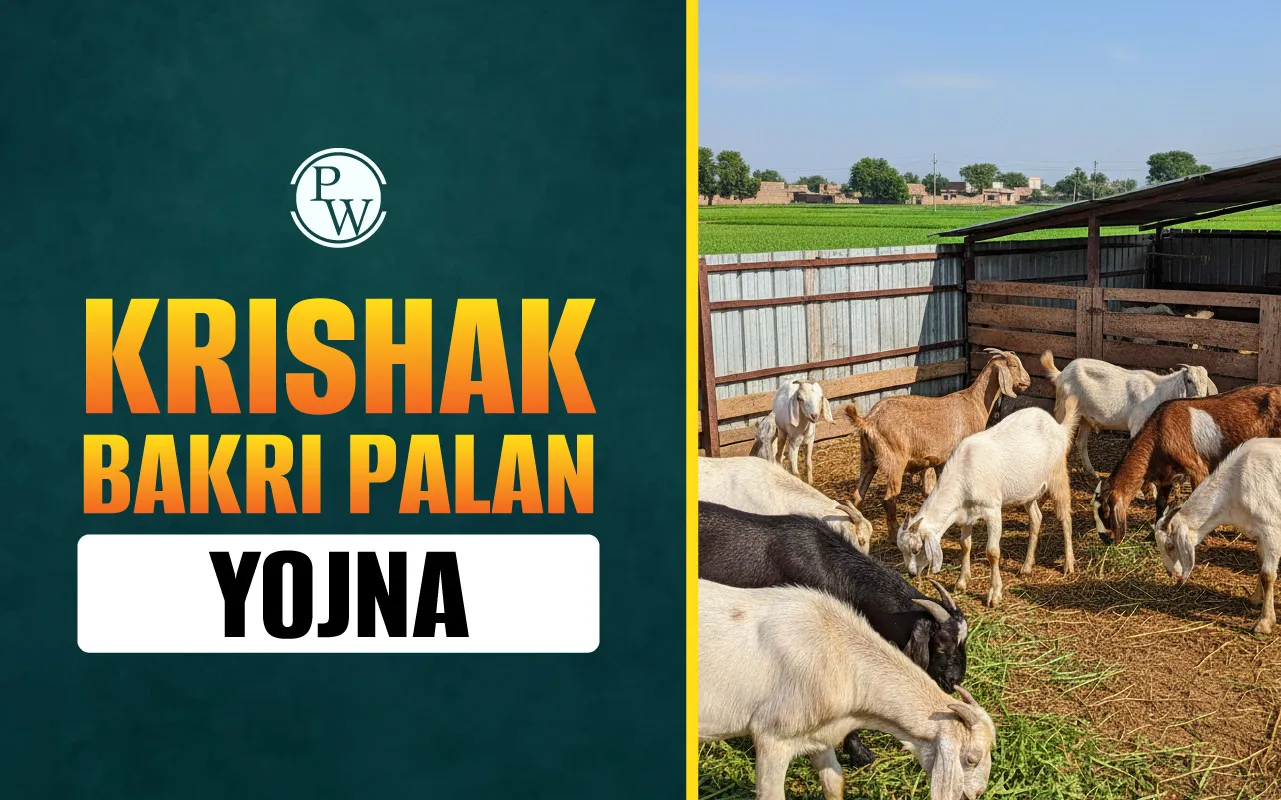
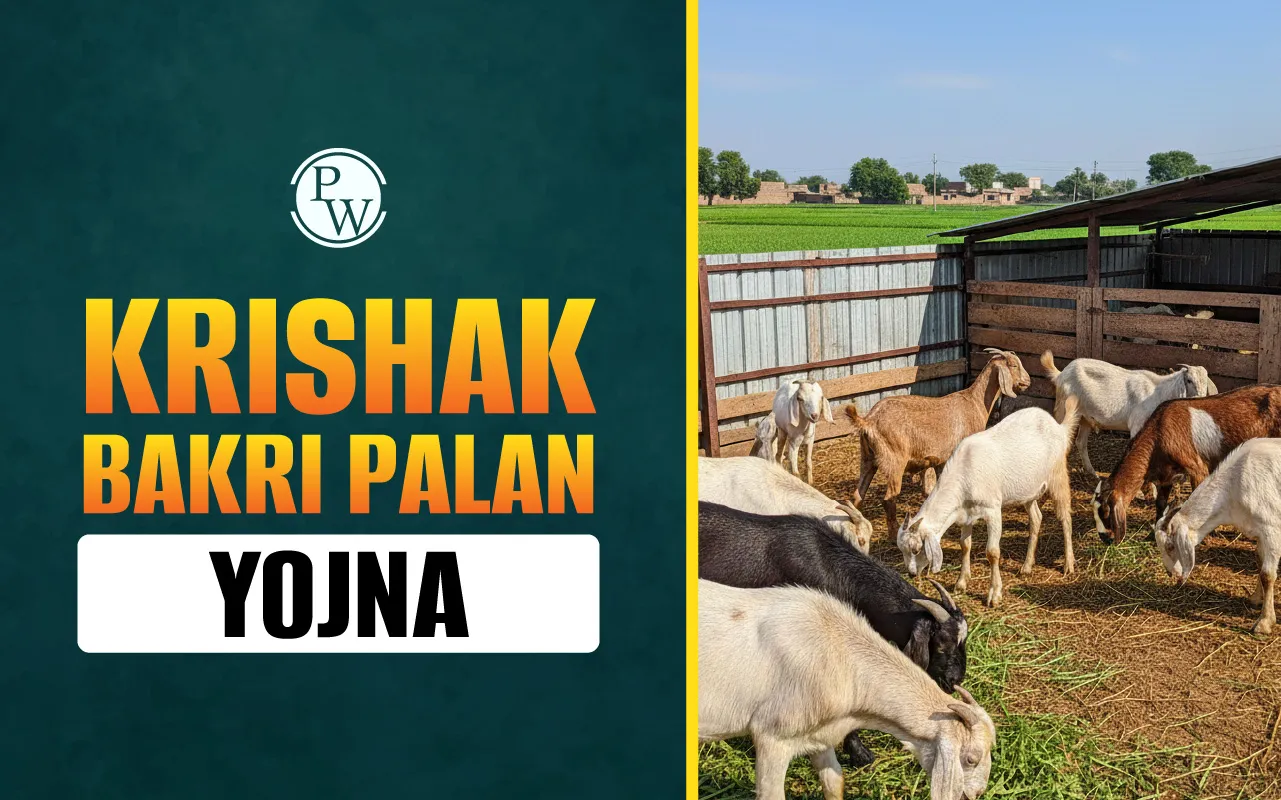
Krishak Bakri Palan Yojna is one of the most effective rural development schemes designed to promote sustainable livelihoods through small ruminant farming. Managed by the Department of Animal Husbandry and Dairying, this scheme provides the necessary financial and technical cushion for farmers to transition from traditional farming to profitable livestock entrepreneurship.
The popularity of the scheme stems from the high demand for goat products (meat and milk) and the substantial bakri palan subsidy provided by the government. By offering a structured livestock development scheme, the government ensures that even landless laborers can achieve financial independence through goat rearing.
What is Krishak Bakri Palan Yojna?
The Krishak Bakri Palan Yojna is a government initiative designed to uplift rural communities. It focuses on encouraging goat farming as a sustainable source of income. This scheme provides financial support, making it easier for farmers to start or expand their goat rearing units. Its primary goal is to enhance farmer income and contribute to overall livestock development.
The table below provides key details of the scheme:
|
Krishak Bakri Palan Yojna Overview |
|
|
Category |
Detail |
|
Scheme Name |
Krishak Bakri Palan Yojna (Goat Farming Scheme) |
|
Launched By |
Government of India / Respective State Governments |
|
Nodal Department |
Department of Animal Husbandry, Dairying & Fisheries |
|
Subsidy Rate |
40% to 60% (Varies by category and state) |
|
Purpose |
Farmer income support and rural employment |
|
Unit Size |
Typically 10+1, 20+1, or 100+5 (Goats + Buck) |
|
Target Audience |
Small/Marginal farmers, SC/ST, Women, and Unemployed Youth |
|
Loan Facility |
Available through NABARD and Nationalized Banks |
Krishak Bakri Palan Yojna DetailS
The scheme provides structured support for small and marginal farmers interested in goat rearing. It emphasizes a systematic approach to increase profitability and sustainability.
Objectives of Scheme
The primary aims of the Krishak Bakri Palan Yojna include:
-
Farmer Income Support: To improve the economic condition of rural households. This is achieved by creating a steady income stream through goat farming.
-
Rural Employment Yojana: To generate self-employment opportunities in the agricultural sector. This helps reduce unemployment in rural areas.
-
Livestock Development Scheme: To promote scientific and modern methods of goat rearing. This improves animal health and productivity within the region.
-
Food Security: To contribute to the availability of meat and milk products. This enhances nutritional security for the population.
Eligibility Criteria
To benefit from the scheme, applicants must meet specific goat rearing eligibility requirements:
-
Applicants must be permanent residents of the implementing state.
-
They should belong to farming families, including small and marginal farmers.
-
Self-Help Groups (SHGs) and Farmer Producer Organizations (FPOs) can also apply.
-
Applicants must have sufficient land or space for goat sheds.
-
Prior experience in animal husbandry is beneficial but not always mandatory. Training is often provided.
Financial Assistance and Subsidies
The scheme offers various forms of financial aid to reduce the burden on farmers. This makes goat farming more accessible.
-
Bakri Palan Subsidy: A significant portion of the unit cost is covered through subsidies. The percentage of subsidy varies based on category (e.g., General, SC/ST, Women).
-
Animal Husbandry Loan: Facilitation for obtaining credit from banks and financial institutions. This covers initial investment costs for infrastructure and animals.
-
Unit Cost: The government sets a standard unit cost for a certain number of goats and related infrastructure. Subsidy is calculated based on this unit cost.
Components Supported
The Krishak Bakri Palan Yojna typically supports:
-
Purchase of high-quality breeding goats (does and bucks).
-
Construction or renovation of goat sheds.
-
Procurement of feed, fodder, and veterinary care supplies.
-
Insurance for the livestock to protect against unforeseen losses.
Key Mechanisms of Krishak Bakri Palan Yojna
Understanding the application and approval process is crucial for availing benefits under the scheme.
Application Process
Farmers must follow a clear set of steps to apply for the scheme.
-
Application Form: Obtain the official application form from the local animal husbandry department or online portal.
-
Document Submission: Submit necessary documents like identity proof, address proof, land ownership papers, and caste certificate (if applicable).
-
Verification: Local authorities conduct a field visit to verify the applicant's details and suitability of the proposed site.
-
Approval: Upon successful verification, the application is approved, and sanction letters are issued.
-
Fund Disbursement: The approved bakri palan subsidy amount is disbursed directly to the beneficiary's bank account or through linked financial institutions.
Required Documents
Applicants typically need to provide these documents:
-
Aadhaar Card
-
Bank Passbook
-
Land Records (Patta)
-
Caste Certificate (if applying under specific categories)
-
Passport-size Photographs
-
Detailed Project Report (DPR) for larger units
Krishak Bakri Palan Yojna FAQs
What is the main objective of the Krishak Bakri Palan Yojna?
Who is eligible for the Bakri Palan subsidy under this scheme?
How does the scheme help in livestock development?
Can individuals get an animal husbandry loan through this scheme?