







Ladki Bahin Yojana: Benefits, Eligibility, Application Process

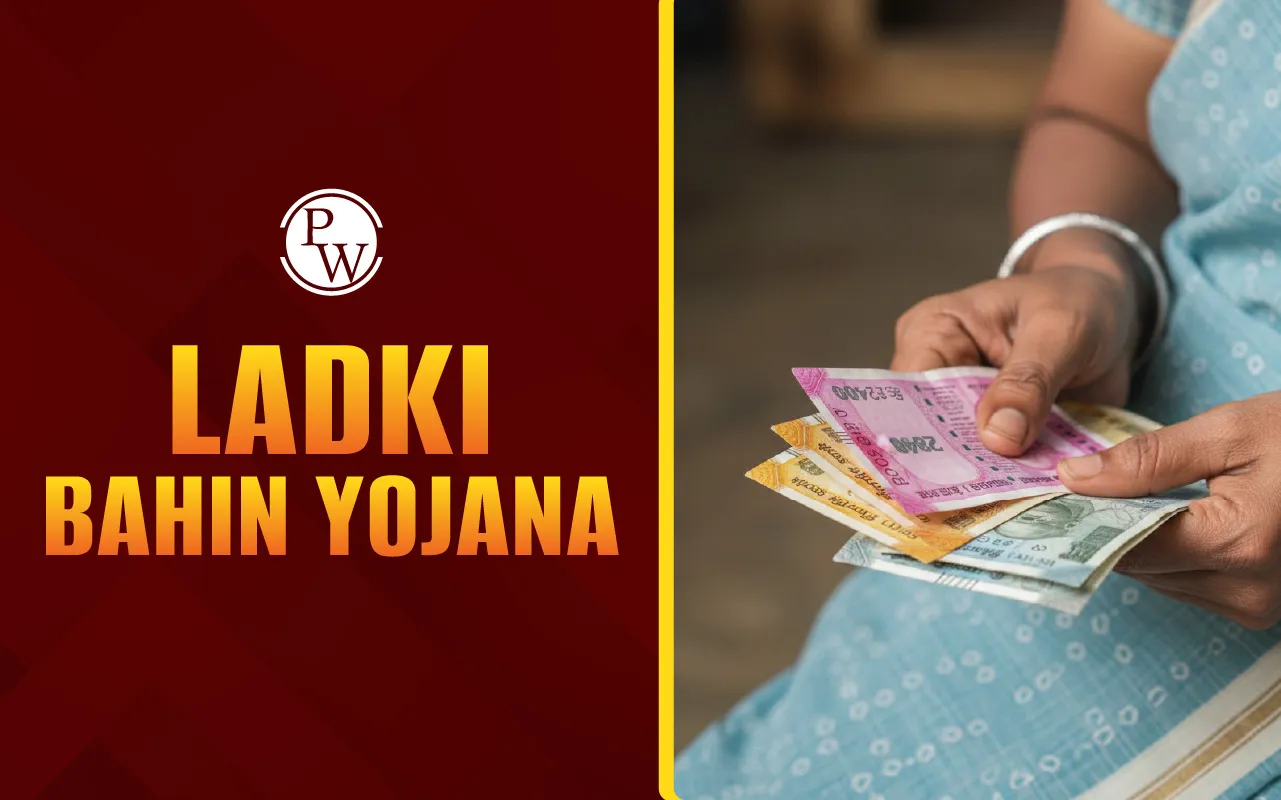
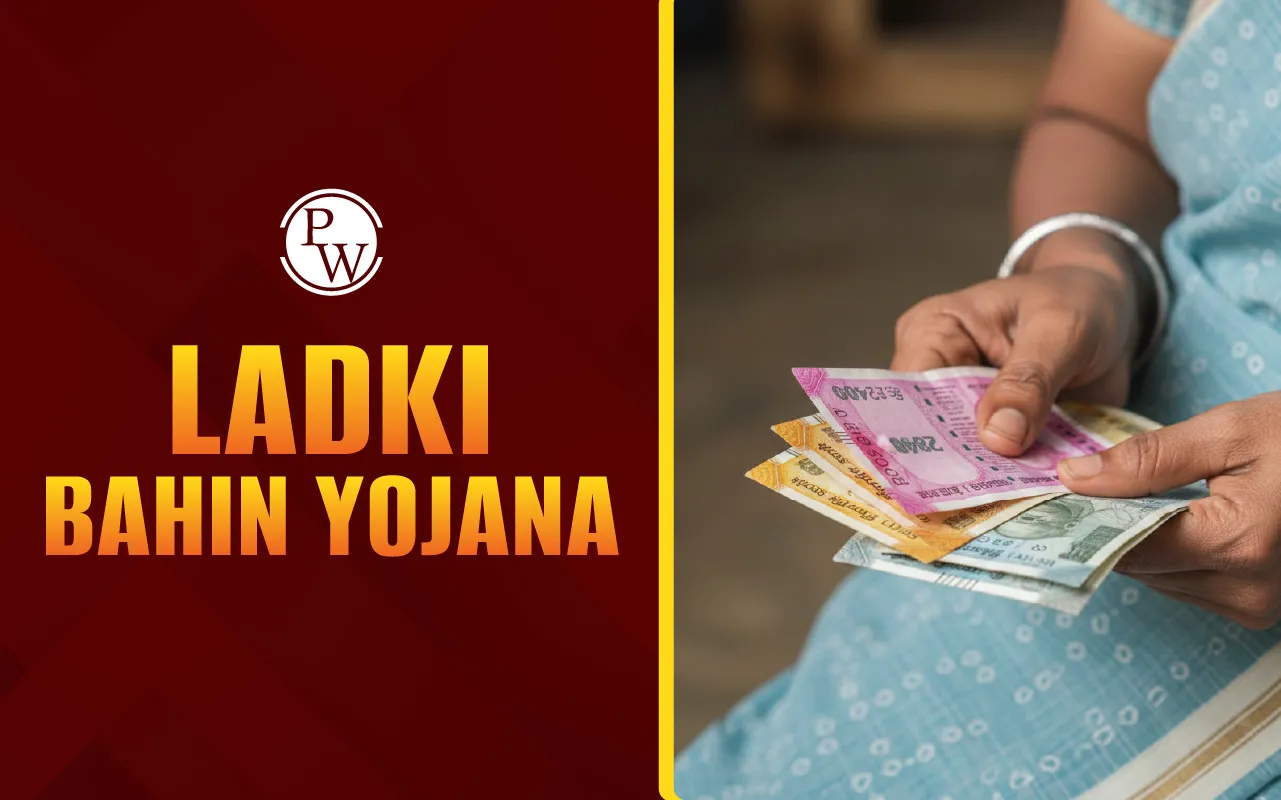
Ladki bahin yojana is officially known as the Mukhyamantri Majhi Ladki Bahin Yojana. It is an important initiative launched by the Government of Maharashtra for the welfare of women. This scheme provides substantial and consistent financial support to women who are from the Economically Weaker Sections (EWS) in the state. The objective of this initiative is to enhance the economic independence of women and uplift their role in the family.
The program was introduced with a goal of social and financial empowerment. It provides a fixed monetary benefit directly to the Aadhaar-linked bank account of the beneficiary. This is the transparent process that ensures the timely distribution of funds to the accounts of woman. The proper execution of the scheme relies on digital processes with mandatory e-KYC verification.
Ladki Bahin Yojana Scheme Overview
The Ladki Bahin Yojana works as a direct financial safety net for women who need support to manage daily household expenses. This scheme showcases the commitment of the State to gender equality and poverty alleviation with direct monetary help. Here is the basic overview of the Scheme:
|
Ladki Bahin Yojana Scheme Overview |
|
|
Category |
Detail |
|
Official Scheme Name |
Mukhyamantri Majhi Ladki Bahin Yojana |
|
Launched By |
Government of Maharashtra |
|
Primary Goal |
To provide financial assistance to women from EWS for economic self-reliance. |
|
Financial Assistance |
₹1,500 per month |
|
Credit Nature |
Monthly Direct Benefit Transfer (DBT) |
|
Key Feature |
Mandatory e-KYC and Aadhaar-linked bank account for eligibility. |
What is Ladki Bahin Yojana?
The Ladki Bahin Yojana is a welfare scheme that sanctions a fixed monthly stipend to eligible women. This amount is directly transferred to the bank accounts of eligible women via DBT. The scheme focuses on women from low-income families in Maharashtra.
The financial aid is aimed at covering daily household expenses and promoting better health and nutritional status for the woman and her children. The important requirement for receiving the benefit is maintaining an Aadhaar-linked bank account and completing the e-KYC process. This process of KYC verification is done to ensure that aid is received by the correct person.
Key Benefits of Ladki Bahin Yojana
Holding eligibility under the scheme provides women with major advantages that support their financial and operational needs. Here are some major benefits that a beneficiary of the Ladki Bahin Yojana can have:
-
Consistent Financial Assistance: Guaranteed monthly aid provides regular and assured financial security to women from EWS families.
-
Direct Benefit Transfer (DBT): The amount is transferred directly to the bank account of the beneficiary. It ensures transparency and eliminates issues with manual distribution.
-
Economic Empowerment: Provides women with financial independence and allows them to make critical decisions at the family level.
-
Social Inclusion: The scheme covers a wide range of women, including married, widowed, divorced, abandoned, destitute women, and one unmarried woman per family.
-
Promotion of Health & Nutrition: The regular financial aid can be utilised to improve the health and nutritional status of the women and their dependent children.
Ladki Bahin Yojana Eligibility Criteria
Specific ladki bahin scheme eligibility criteria have been established to ensure the benefits reach deserving women. Women applicants from economically weaker sections must fulfil the following criteria:
-
Residency: The applicant must be a permanent resident of Maharashtra.
-
Age Limit: The age of the woman must be between 21 years and 65 years.
-
Marital Status: Applicants must be married, which also includes widows, divorced women, abandoned women, and one unmarried woman per family.
-
Income Limit: The combined self-declared annual family income must not exceed ₹2,50,000/-.
-
Bank Account: The applicant must possess a bank account linked with their Aadhaar for Direct Benefit Transfer (DBT).
Key Exclusion Criteria (Who Cannot Apply)
Candidates must ensure that their family does not fall under any of the following exclusion categories before applying for the scheme. These criteria help determine whether a family is ineligible for the scheme based on income status, assets, or conditions related to government employment.
-
The family member is an income taxpayer.
-
The family owns a private four-wheeler excluding a tractor used for farming.
-
Any family member is a regular/permanent government employee or pensioner or holds senior elected/nominated government positions.
Documents Required for Ladki Bahin Yojana Application
An application for the scheme must be supported by the necessary ladki bahin documents. The documents are required for verification by the relevant authorities. Here is the list of documents:
-
Identity Proof: Aadhaar Card of the woman.
-
Residency Proof: Domicile Certificate of Maharashtra or alternatives like Ration Card/Voter ID Card/Birth Certificate/School Leaving Certificate issued 15 years prior.
-
Income Proof: Income Certificate Mandatory for White Ration Card holders; not required for Yellow/Orange Ration Card holders.
-
Marital Status Proof: Marriage Certificate, if applicable, especially for newly married women not listed in the family ration card.
-
Financial Details: Aadhaar-linked Bank Account Details.
-
Photograph: Recent passport-size photograph of the applicant.
-
Mobile Number: Registered mobile number linked with Aadhaar.
How to Apply for Ladki Bahin Yojana (Step-by-Step)?
The process on how to apply for Ladki Bahin Yojana online has been streamlined in a proper manner. The purpose is to encourage wider participation with the use of both online and offline methods. Before applying, the applicant needs to ensure her Aadhaar e-KYC is complete and her bank account is linked to her Aadhaar number. This is a mandatory step for receiving DBT. Here are the steps to apply for the Scheme:
Visit the Portal: Go to the official Maharashtra government welfare portal for the scheme.
Sign-Up: Complete the initial registration Sign-up by entering basic details like Name as per Aadhaar, Mobile No, District, etc., and verifying via OTP.
Login & Form Access: Log in using the registered credentials and select the application option (e.g., "Application of Mukhyamantri - Majhi Ladki Bahin Yojana").
Fill and Upload: Fill in all personal, family, and bank details accurately. Upload scanned copies of all the necessary ladki bahin documents required.
Submit & Acknowledge: Submit the application. Note down the acknowledgement number or application ID for future reference and status tracking.
Important: Eligible applicants can also fill out the form at designated centres such as Gram Panchayat, Ward Office, or through Anganwadi Sevaks. The filled form and supporting documents are submitted to the camp officer, who then uploads the data online and provides a printed acknowledgement receipt.
Check Ladki Bahin Yojana Payment Status & DBT
The payment under the scheme is made via Direct Benefit Transfer (DBT). Having knowledge about the ladki bahin payment status helps ensure that the monthly aid of ₹1,500 is credited successfully. Here are the steps to check payment status:
Visit the Official Portal: Go to the Mukhyamantri Majhi Ladki Bahin Yojana official website.
Access Status Option: Look for the option related to "Application Status," "Payment Status," or "Applications Made Earlier" on the homepage.
Enter Details: Enter your registered Mobile Number, Application ID, or Aadhaar number, along with the Captcha code.
OTP Verification: Click to send OTP to your registered mobile number and enter the received OTP to log in or proceed.
View Status: The website will display the current status of your application, including the payment history and the date of the last credited amount.
Ladki Bahin Yojana Important Details
The Ladki Bahin Yojana offers several benefits to improve the financial stability and social security of eligible women. These important features highlight how the scheme supports women from economically weaker sections. Here is a quick overview of some of the major advantages beneficiaries receive under the scheme.
|
Ladki Bahin Yojana Important Details |
|
|
Feature Type |
Advantage to Beneficiary |
|
Direct Monthly Stipend (₹1,500) |
Provides regular and assured financial security to women from EWS families. |
|
Aadhaar/DBT Linkage |
Ensures transparency, eliminates middlemen, and ensures timely credit of funds directly to the woman’s account. |
|
Inclusion of Vulnerable Sections |
Extends support to married, widowed, divorced, abandoned, and unmarried women, fostering broad social welfare. |
|
Increased Decision Power |
The woman gets control over financial resources. It promotes her role in family decision-making and self-reliance. |
|
Support for Health & Nutrition |
The regular financial aid can be utilised to improve the health and nutritional status of the women and their dependent children. |
Releated Post:-
- UPSC EPFO Answer Key 2025
- UPSC EPFO Question Paper 2025
- UPSC EPFO Syllabus 2025
- UPSC EPFO Previous Year Question Paper
Ladki Bahin Yojana FAQs
What is ladki bahin yojana?
Who is eligible for the ladki bahin scheme eligibility?
What documents are required for the ladki bahin yojana?
How to apply for ladki bahin yojana apply online?
How to check ladki bahin payment status?
What are the key benefits of the scheme?








Get Free Counselling Today
and Clear up all your Doubts
 Live & recorded classes available at easeDashboard for progress trackingLakhs of practice questions

