






Mahatma Gandhi Gram Swaraj Initiative: Objectives, Features & Impact on Rural India


Share
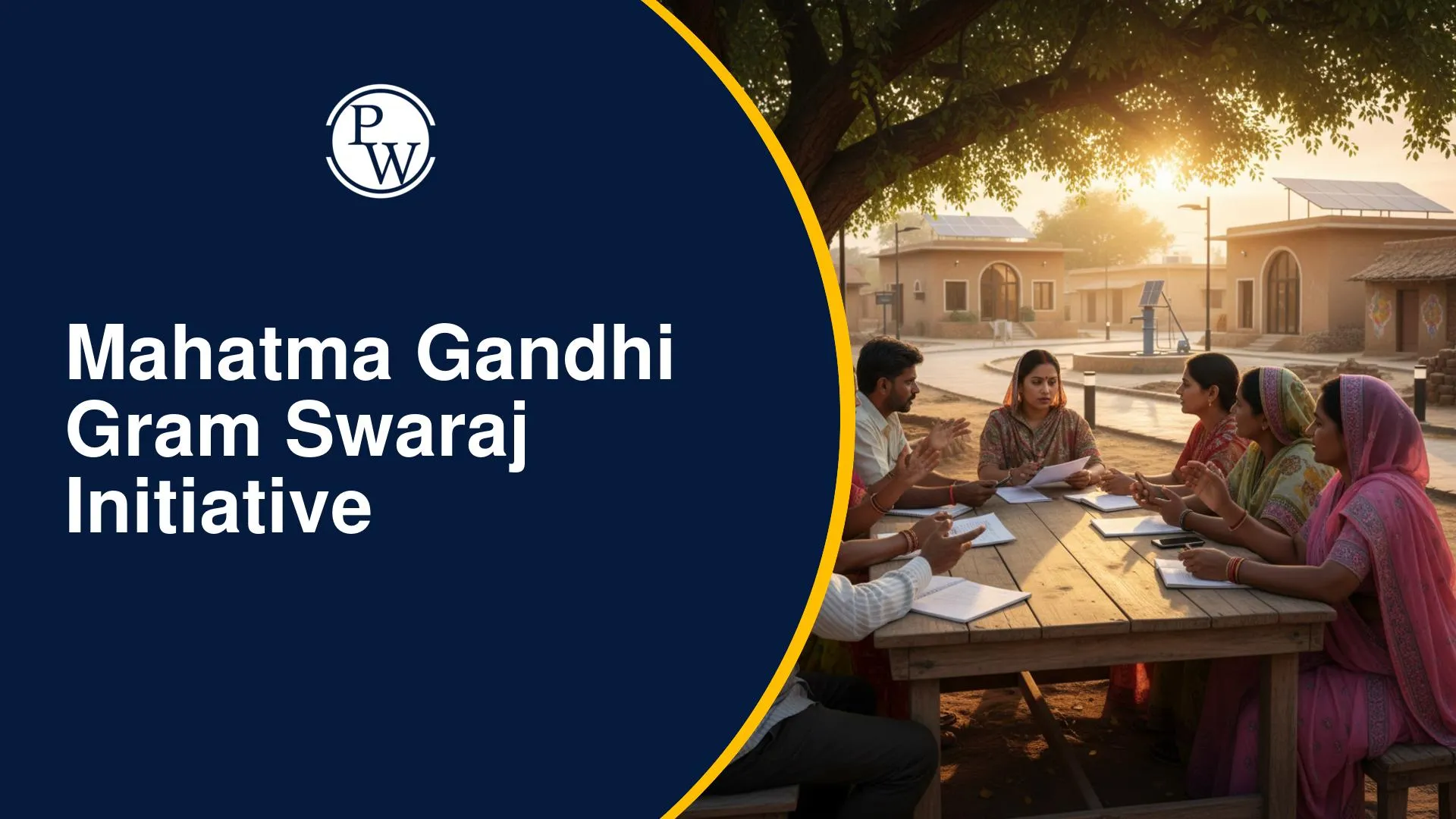
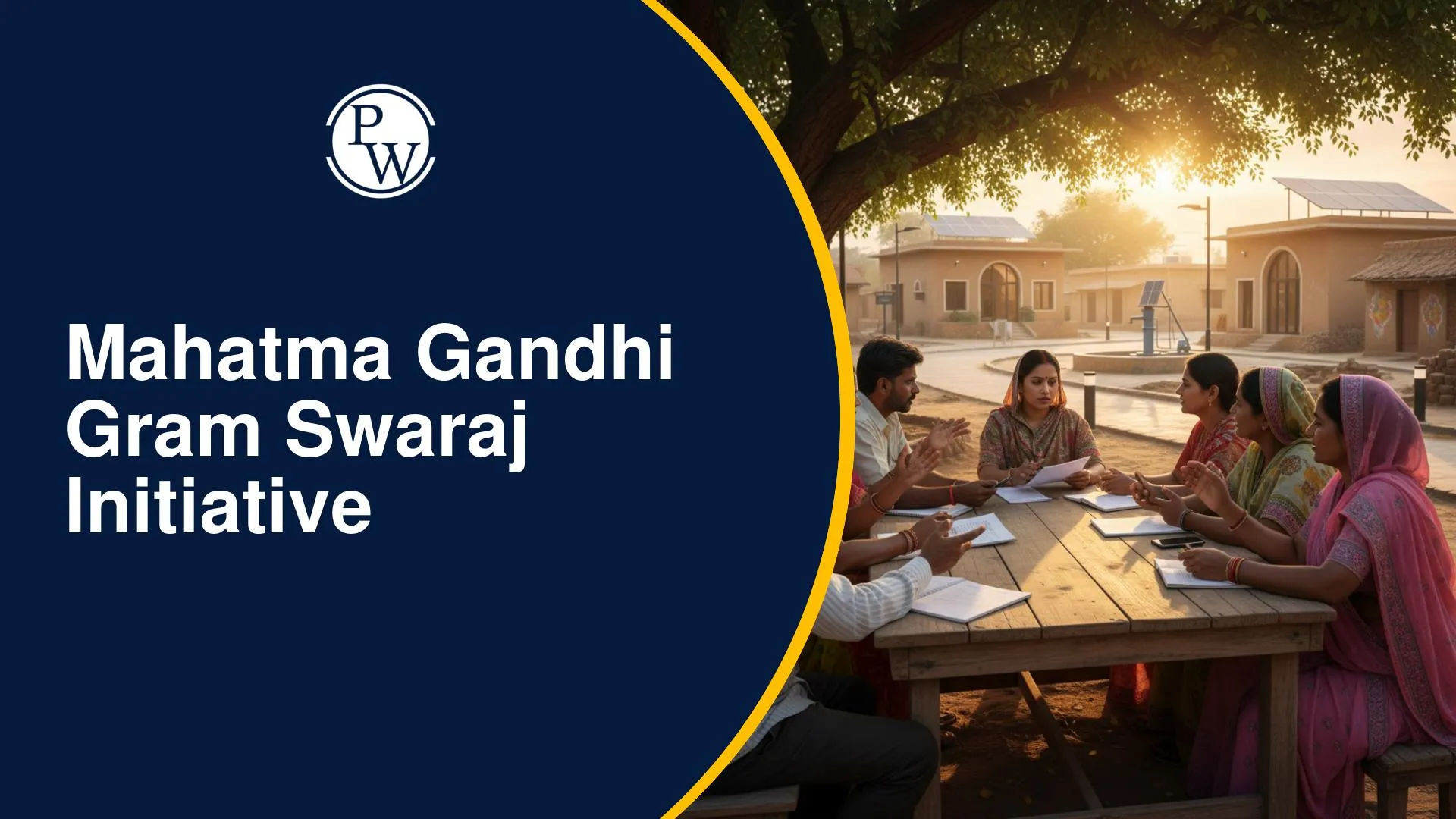
Mahatma Gandhi Gram Swaraj Initiative in India marks a major step towards strengthening traditional rural industries while aligning with the vision of rural self-governance, as envisioned by India Gandhi. Announced in the Union Budget 2026–27, the initiative aims to enhance the khadi, handloom, and handicrafts sectors by improving production processes, developing skills, and improving market connectivity.
At its core, the initiative reflects the philosophy of Gram Swaraj Abhiyan rural development India, where villages become self-reliant economic units. By integrating village level development programmes in India with modern market systems, the initiative aims to generate employment, promote inclusive rural growth in India, and build a strong ecosystem of grassroots democracy India villages.
Mahatma Gandhi Gram Swaraj Initiative
Mahatma Gandhi Gram Swaraj Initiative is an umbrella framework designed to build rural self-reliance through the promotion of traditional industries such as khadi, handloom, and handicrafts. It strengthens rural enterprises by streamlining training, improving production quality, and enabling global branding and market access.
This initiative directly supports rural livelihood promotion India schemes by transforming small-scale rural industries into scalable, export-oriented units. It also aligns with government rural outreach programmes India by targeting weavers, artisans, and rural youth.
A key feature is the creation of backward and forward linkages across value chains—right from raw material sourcing to final product marketing. This ensures better income opportunities and contributes to village empowerment initiatives India.
Objectives of the Initiative
The initiative is designed to support multiple aspects of sustainable rural development India:
-
Strengthening khadi, handloom, and handicrafts sectors
-
Promoting community participation rural planning India
-
Enhancing employment opportunities for rural youth
-
Improving global competitiveness of traditional products
-
Supporting ODOP (One District One Product) framework
These objectives also contribute to inclusive sports policy India tribal communities-like inclusive frameworks but in economic terms—ensuring no rural community is left behind.
Role in Rural Governance and Decentralisation
The initiative indirectly strengthens Panchayati Raj Institutions strengthening India by enabling local economic activities at the village level. It promotes decentralisation governance India villages by empowering communities to manage their own development.
Through participatory governance rural India, local stakeholders such as artisans, self-help groups, and cooperatives play an active role in planning and execution. This enhances local governance empowerment India and ensures that development is aligned with local needs.
Key Schemes and Implementation Support
The initiative is supported by multiple government schemes and institutional frameworks:
1. Handicrafts Development
Under the National Handicrafts Development Programme (NHDP) and CHCDS:
-
Financial assistance for skill development and infrastructure
-
Support for marketing, branding, and digitisation
-
Cluster development and artisan support
2. Handloom Sector Support
Through the National Handloom Development Programme:
-
Training under Samarth Scheme
-
Upgradation of looms and technology
-
Marketing through exhibitions and e-commerce platforms
3. Digital and Market Linkages
-
E-commerce platforms for artisans
-
Branding initiatives like India Handloom Brand
-
Global market access
These initiatives strengthen rural infrastructure development schemes India and improve community participation rural planning India.
Employment and Livelihood Generation
One of the biggest impacts of the Mahatma Gandhi Gram Swaraj Initiative India is employment creation. By focusing on traditional sectors:
-
Rural youth gain skill-based employment
-
Artisans receive better income opportunities
-
Handmade sectors become viable long-term careers
This contributes to tribal empowerment through sports India-like empowerment models but in economic development, ensuring dignity and sustainability of livelihoods.
Link with Broader Government Initiatives
The initiative aligns with several national missions:
-
Swachh Bharat rural link Gram Swaraj through village-level development
-
Atmanirbhar Bharat via local production and self-reliance
-
MSME growth through support to small enterprises
It also complements Indian polity rural governance schemes by integrating economic development with governance reforms.
Challenges Addressed by the Initiative
The initiative tackles key structural issues in rural industries:
-
Fragmented supply chains
-
Lack of standardisation and quality control
-
Limited access to national and global markets
-
Low adoption of modern technology
By addressing these, it promotes grassroots democracy India villages and strengthens the rural economy.
Future Impact on Rural India
The Mahatma Gandhi Gram Swaraj Initiative has the potential to transform rural India by:
-
Creating sustainable employment
-
Promoting traditional crafts globally
-
Strengthening rural self-reliance
-
Enhancing inclusive rural growth India
Over time, it can reshape the rural and tribal sports ecosystem India-like ecosystems into economic ecosystems driven by local participation and innovation.
If you’re preparing for exams like UPSC, SSC, or Banking, join PW’s courses covering government schemes and rural development. With experienced faculty, structured notes, and regular updates, PW helps you understand topics like the Mahatma Gandhi Gram Swaraj Initiative easily.