Nanda Devi Plutonium Mission: Nuclear Leakage in Ganga
Explore the controversial Nanda Devi Plutonium Mission and uncover how a decades-old nuclear device has raised fresh concerns over radioactive leakage affecting the Ganga. Understand the Nanda Devi Plutonium Mission’s history, risks, and ongoing environmental impact.

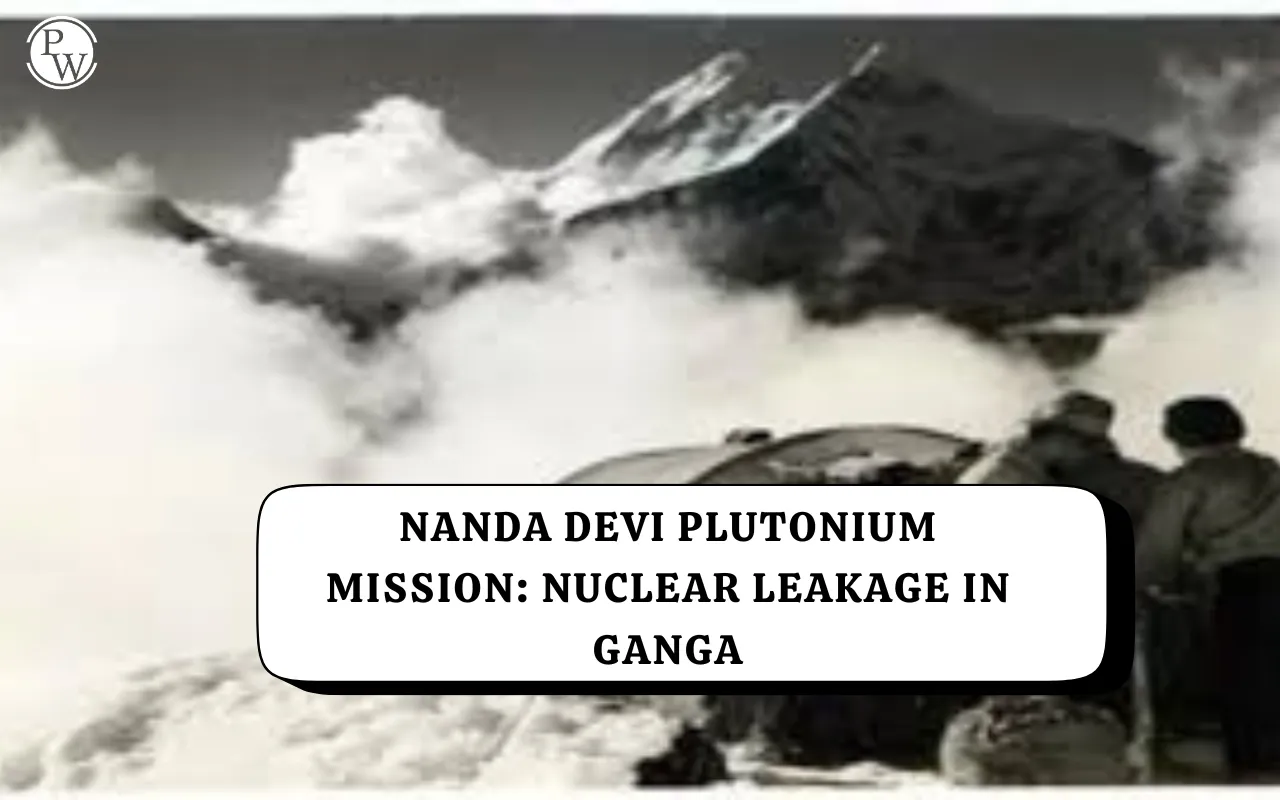
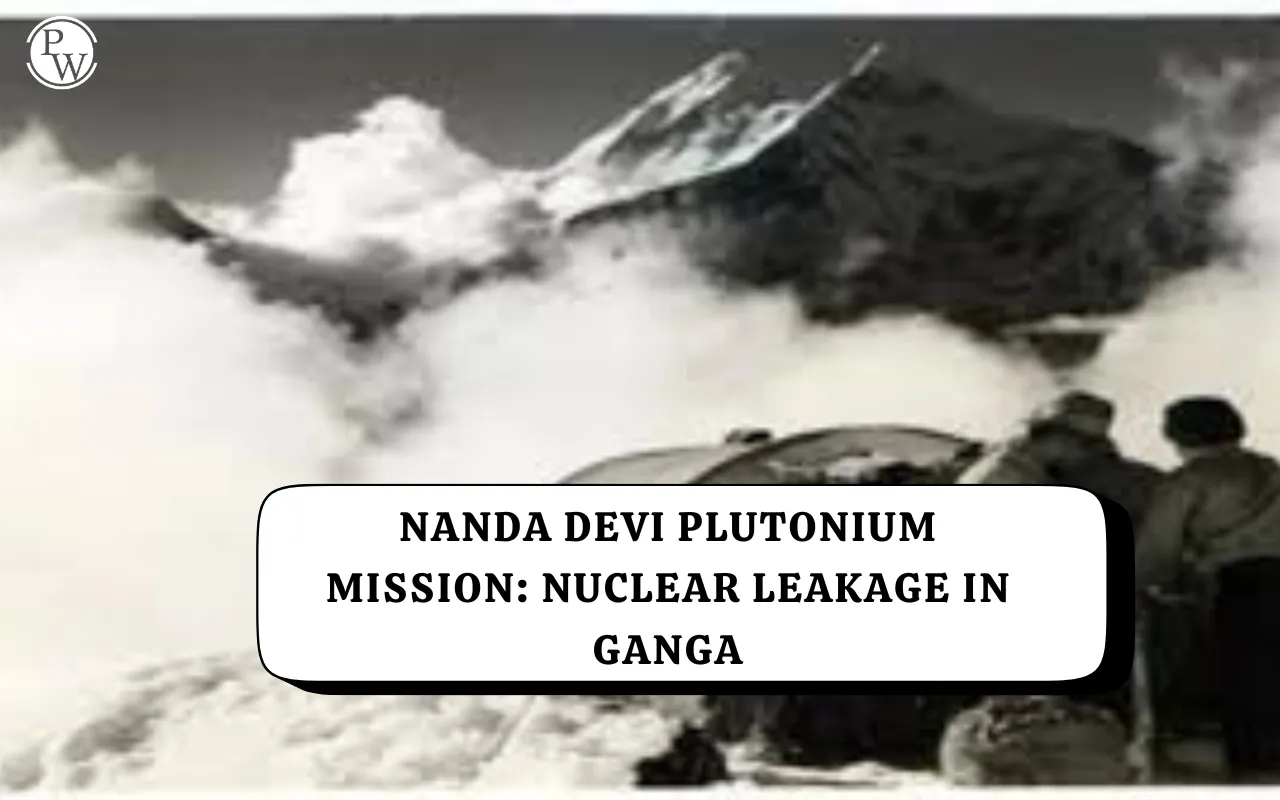
Nanda Devi Plutonium Mission was a secret operation carried out by India and the US in 1965 during the Cold War. The plan was to place a nuclear-powered device in the Himalayas to keep an eye on China’s growing nuclear activities. But the mission failed when the device, containing dangerous plutonium, went missing on Nanda Devi peak. Its disappearance raised major safety concerns and continues to be one of the most debated episodes in India’s intelligence history.
Key Facts and Timeline of the Nanda Devi Plutonium Mission
Here are some pivotal facts and a timeline outlining the significant events related to the Nanda Devi Plutonium Mission.
|
Key Facts and Timeline of the Nanda Devi Plutonium Mission |
|
|---|---|
|
Particulars |
Details
|
|
Joint Operation Year |
1965 |
|
China's Nuclear Weapons Development Began |
Early 1960s |
|
China's First Successful Nuclear Test |
October 1964 |
|
India-China War |
1962 |
|
Nanda Devi Peak Height |
7,816-meter |
|
Isotope Fueling RTG |
Plutonium-238 |
|
RTG Power Generation Duration |
Decades |
|
Mission Commencement |
October 1965 |
|
Equipment Weight Carried |
Several hundred kilograms |
|
Plutonium-238 Quantity in RTG |
Several kilograms |
|
Year Team Returned for Retrieval |
1966 |
|
Period Mission Kept Secret |
Over a decade |
|
Year Truth Revealed by Outside Magazine |
1978 |
|
Duration of Mountaineering Ban in Nanda Devi Sanctuary |
Several years |
Background: The Cold War and China's Nuclear Aspirations
In the early 1960s, China’s fast progress in nuclear weapons created major concern, especially after its first nuclear test in 1964. India, already shaken by the 1962 war, and the US wanted a way to closely monitor China’s activities. Since advanced satellites were not available, the CIA and India’s Intelligence Bureau planned to set up a nuclear-powered listening device in the Himalayas. Nanda Devi, a 7,816-meter peak in Uttarakhand, was chosen because it gave a clear view towards China. The device was meant to capture important signals from China’s missile and nuclear tests.
Mission and Objectives
The Nanda Devi Plutonium Mission was a secret operation to place a special surveillance device on the mountain. This device ran on plutonium-238, a powerful radioactive material that can produce heat and electricity for many years. It was meant to power sensors that would track China’s nuclear and missile activities. A joint team of Indian and American climbers, led by famous mountaineer Captain M. S. Kohli, was formed for the mission. The team, including CIA-trained Americans and skilled Indian Army personnel, carried the heavy equipment up Nanda Devi to set it near the summit.
Expedition and Loss of Device
The mission began in October 1965, with the team carrying hundreds of kilos of equipment, including a plutonium-powered device, up the dangerous slopes of Nanda Devi. Harsh weather, blizzards, and avalanches made climbing nearly impossible. At Camp IV, Captain Kohli halted the mission to protect his team. They safely hid the nuclear device in a rock crevice, planning to retrieve it the next year. But when they returned in 1966, the device had disappeared likely buried by an avalanche resulting in the loss of several kilograms of radioactive material.
Aftermath and Lingering Environmental Concerns
The Nanda Devi Plutonium Mission stayed secret for over a decade after the nuclear device mysteriously disappeared. The truth came out in 1978 through an American magazine, raising fear among environmentalists and locals. Experts warned that if the plutonium container ever leaked, it could contaminate the glaciers that feed the Rishi Ganga and Ganga rivers. Although no confirmed evidence of pollution has been found, the danger still remains. Due to these risks, the Indian government later banned mountaineering in the Nanda Devi Sanctuary for several years.
Later Developments and Enduring Legacy
After the Nanda Devi Plutonium Mission, a similar operation on Nanda Kot was completed smoothly, with the device safely installed and recovered. However, the Nanda Devi episode became a major event in India’s intelligence history. Many teams have searched for the missing plutonium generator, but it is still believed to be buried deep in the glacier. Scientists warn that as the glacier melts, there is a small but ongoing risk of radioactive material leaking into downstream areas. The incident also highlighted the secret but strong India-US cooperation during the Cold War in intelligence and surveillance efforts.
Nanda Devi Plutonium Mission FAQs
Q1: What was the primary objective of the Nanda Devi Plutonium Mission?
Q2: What kind of radioactive material was involved in the Nanda Devi Mission?
Q3: Was the lost device ever recovered?
Q4: Is there evidence of nuclear leakage in the Ganga river due to the lost device?
Q5: When was the Nanda Devi Plutonium Mission revealed to the public?