Nasha Mukt Bharat Abhiyan: Mission, Reach & Treatment Facilities for a Drug-Free India

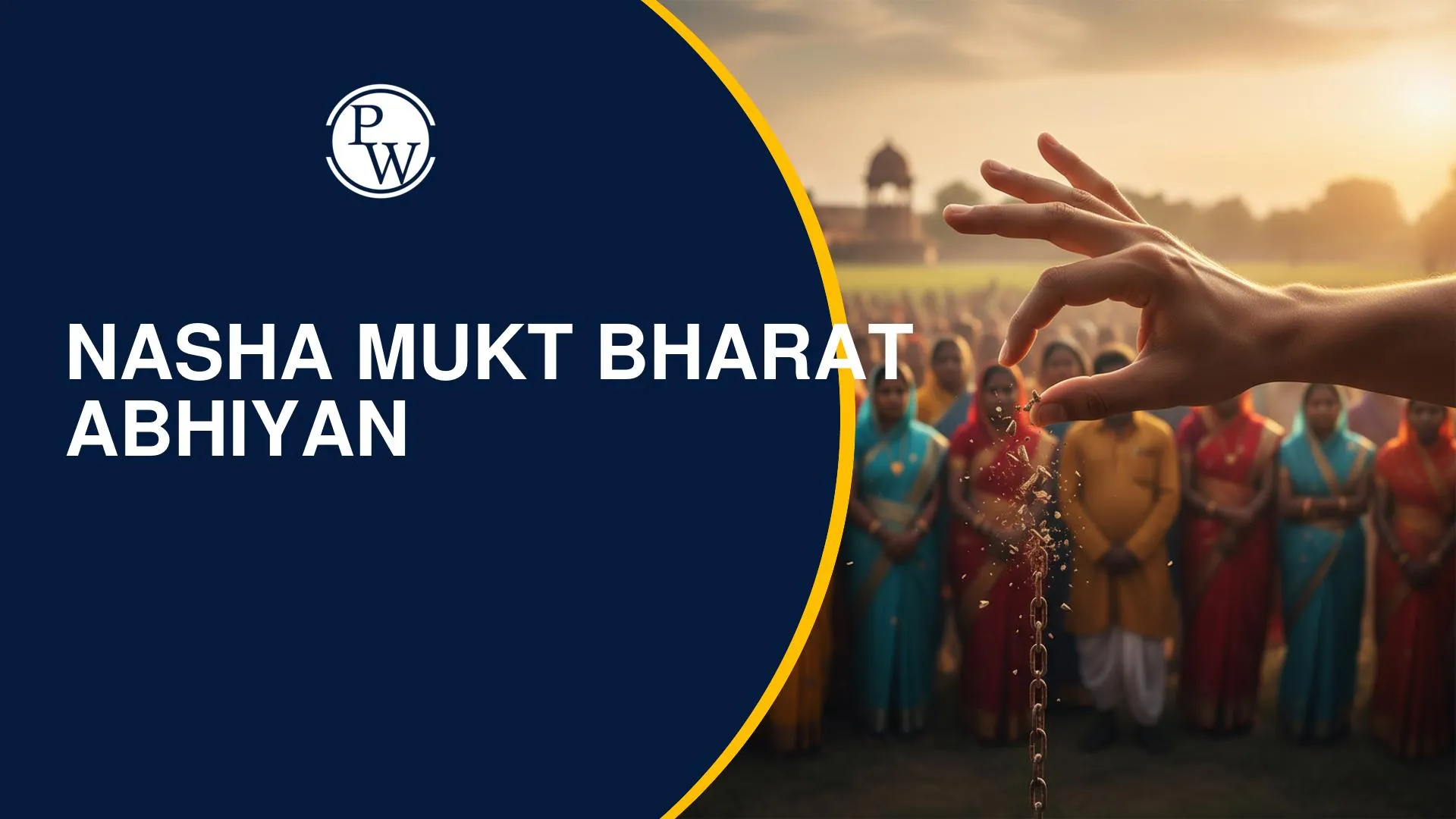
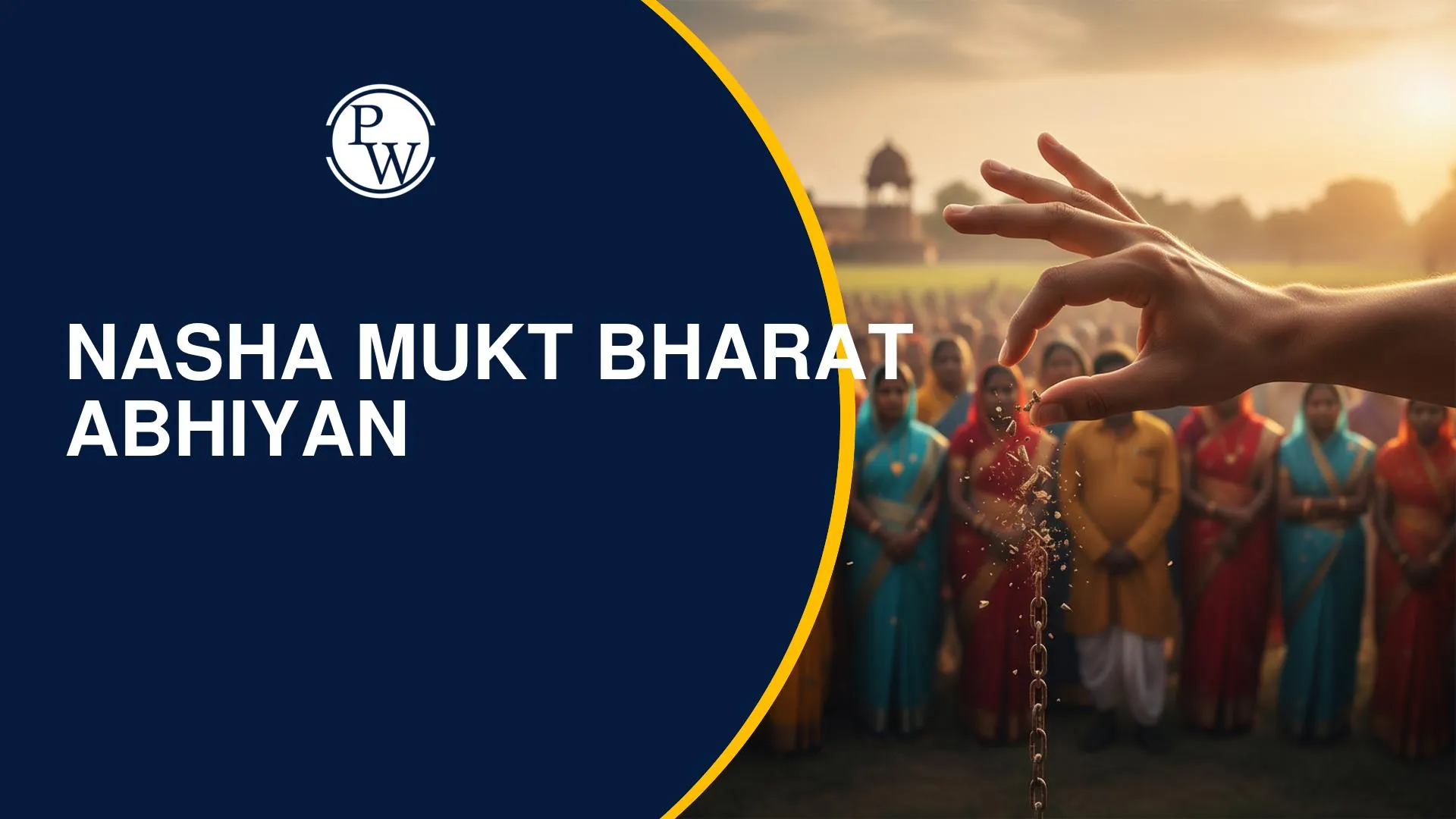
Substance abuse poses a significant challenge across India, impacting individuals and communities. Understanding government initiatives to counter this issue is important. The Nasha Mukt Bharat Abhiyan (Drug-Free India Campaign) is a key effort in this direction. This blog explores its goals and how it works to foster a drug-free society.
Nasha Mukt Bharat Abhiyan Overview
The Nasha Mukt Bharat Abhiyan (NMBA) is a central government campaign. The Ministry of Social Justice and Empowerment launched it on 15th August 2020. This initiative aims to raise awareness about the harms of substance use. It also works to improve treatment and rehabilitation services. The campaign encourages widespread community participation for a healthier society.
|
Nasha Mukt Bharat Abhiyan Overview |
|
|
Feature |
Details |
|
Official Name |
Nasha Mukt Bharat Abhiyan (NMBA) |
|
Launch Date |
15th August 2020 |
|
Nodal Ministry |
Ministry of Social Justice and Empowerment (MoSJE) |
|
Umbrella Scheme |
National Action Plan for Drug Demand Reduction (NAPDDR) |
|
Target Population |
Youth, Women, Educational Institutions, and Vulnerable Districts |
|
Coverage |
Pan-India (Expanded to all districts since August 2023) |
|
National Helpline |
14446 (24/7 Toll-Free Support) |
|
Technical Partner |
NDDTC, AIIMS (for Addiction Treatment Facilities) |
Campaign Strategies and Reach
The Nasha Mukt Bharat Abhiyan scheme started in 272 vulnerable districts. It has expanded to all districts of India since 15th August 2023. This expansion ensures a broader reach for its message against substance use. The campaign engages millions of youth and women through various activities. It also reports a significant increase in individuals seeking treatment and counselling.
Awareness Initiatives
The Abhiyan conducts extensive public awareness drives. These activities target youth, women, and educational institutions. The goal is to educate people about drug harms and promote prevention. This collective effort fosters a sense of responsibility.
Expanding Outreach
The NMBA's outreach grew from 1.4 crore people in 2021 to over 25.99 crore. This included more than 9.39 crore youth and 6.40 crore women. These figures show the campaign's increasing impact. A 2021 UNDP report highlighted strong public awareness and support for NMBA initiatives.
Treatment and Support Systems
A strong network of treatment and support is crucial. The drug de addiction programme India focuses on building this network. It provides necessary aid for those struggling with substance dependence.
Addiction Treatment Facilities
The National Action Plan for Drug Demand Reduction (NAPDDR) guides this. It supports Addiction Treatment Facilities (ATFs) in government hospitals. The National Drug Dependence Treatment Centre (NDDTC), AIIMS, helps set up these ATFs. Currently, 154 approved addiction treatment facilities ATF India are operational. They offer vital recovery services.
National Helpline for Help
A National Toll-Free Helpline (14446) offers 24/7 tele-counselling. It supports individuals struggling with substance use. This service refers callers to nearby de-addiction and rehabilitation centres. The helpline integrates with other national services. This includes NCB's MANAS and the Ministry of Health's Tele-MANAS.
Awareness and Capacity Building
Beyond direct treatment, the Abhiyan invests in prevention and education. This involves a comprehensive approach to substance abuse awareness India and workforce training.
Public Education Efforts
The campaign actively educates communities. It targets schools, colleges, and local groups. These efforts help prevent drug use. They promote healthy lifestyles. The campaign builds a collective resistance against substance abuse.
Training and Skill Development
The Ministry of Social Justice and Empowerment runs training programmes. These train counsellors, healthcare workers, and NGOs. They learn about early identification, treatment, and rehabilitation. Over 28,000 master volunteers have been sensitised. This skilled workforce supports effective drug prevention.
Strengthening the National Anti-Drug Mission
The national anti-drug mission, India is not just about awareness; it is a structured drug demand reduction programme (NAPDDR). By addressing the root causes of addiction, the Ministry of Social Justice and Empowerment scheme focuses on long-term recovery. It shifts the narrative from viewing addiction as a moral failing to a health condition requiring professional support and empathy.
Grassroots Action and Community Outreach
Success relies on a strong community outreach anti-drug initiative. Across the country, local volunteers and NGOs are trained to host meetings and workshops. This anti-drug campaign in India empowers citizens to spot early signs of substance use. By turning the fight into a local movement, it encourages a drug-free society initiative in India that begins at the family and neighborhood level.
Empowering the Next Generation
A major focus of the NMBA scheme in India is the youth drug awareness campaign in India. Schools and colleges act as hubs where students are educated on the risks of peer pressure and substance misuse. By fostering healthy hobbies and sports, the drug abuse prevention programme helps young people stay focused on their goals rather than falling into the trap of addiction.
Comprehensive Care and Recovery
For those already struggling, the government has scaled up the availability of rehabilitation centres in India under the scheme. These facilities are part of a broader substance abuse control in India strategy.
Providing accessible alcohol and drug prevention in India services ensures that anyone seeking help has a safe, confidential, and professional environment to begin their journey toward recovery.
The Vision of a Drug-Free India
The Nasha Mukt Bharat Abhiyan (NMBA) serves as the backbone for a drug-free India mission. By linking awareness, education, and medical support, the Ministry of Social Justice campaign works to create a support system that leaves no one behind. Through consistent efforts, the goal is to make every district a model of health and well-being.
|
Quick Reference: How the Initiative Works |
||
|
Pillar |
Focus Area |
Impact |
|
Education |
Substance abuse awareness campaign in India |
Prevents first-time use through knowledge. |
|
Support |
Alcohol and drug prevention in India |
Provides resources for families and individuals. |
|
Treatment |
Rehabilitation centres in India (Scheme) |
Offers medical pathways to sobriety. |
|
Policy |
Drug demand reduction programme (NAPDDR) |
Coordinates national efforts for better infrastructure. |
Nasha Mukt Bharat Abhiyan FAQs
What is the core objective of the Nasha Mukt Bharat Abhiyan?
When was the NMBA initially launched?
Which government ministry oversees this campaign?
What is the national helpline number for support against drug abuse?
What is the role of Addiction Treatment Facilities (ATFs) in the Abhiyan?