National Panchayati Raj Day 2026: History, Significance and Impact on Rural India

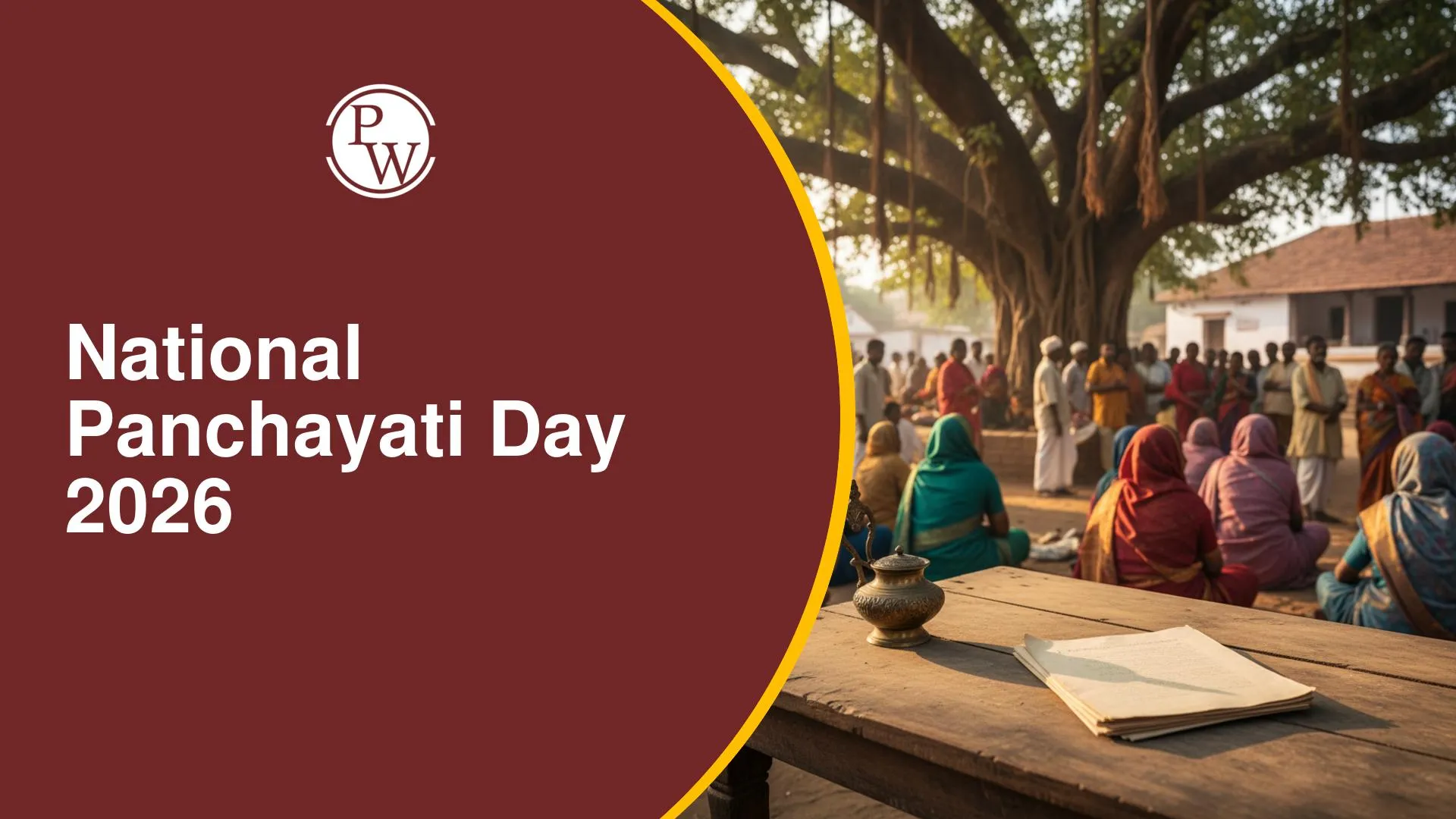
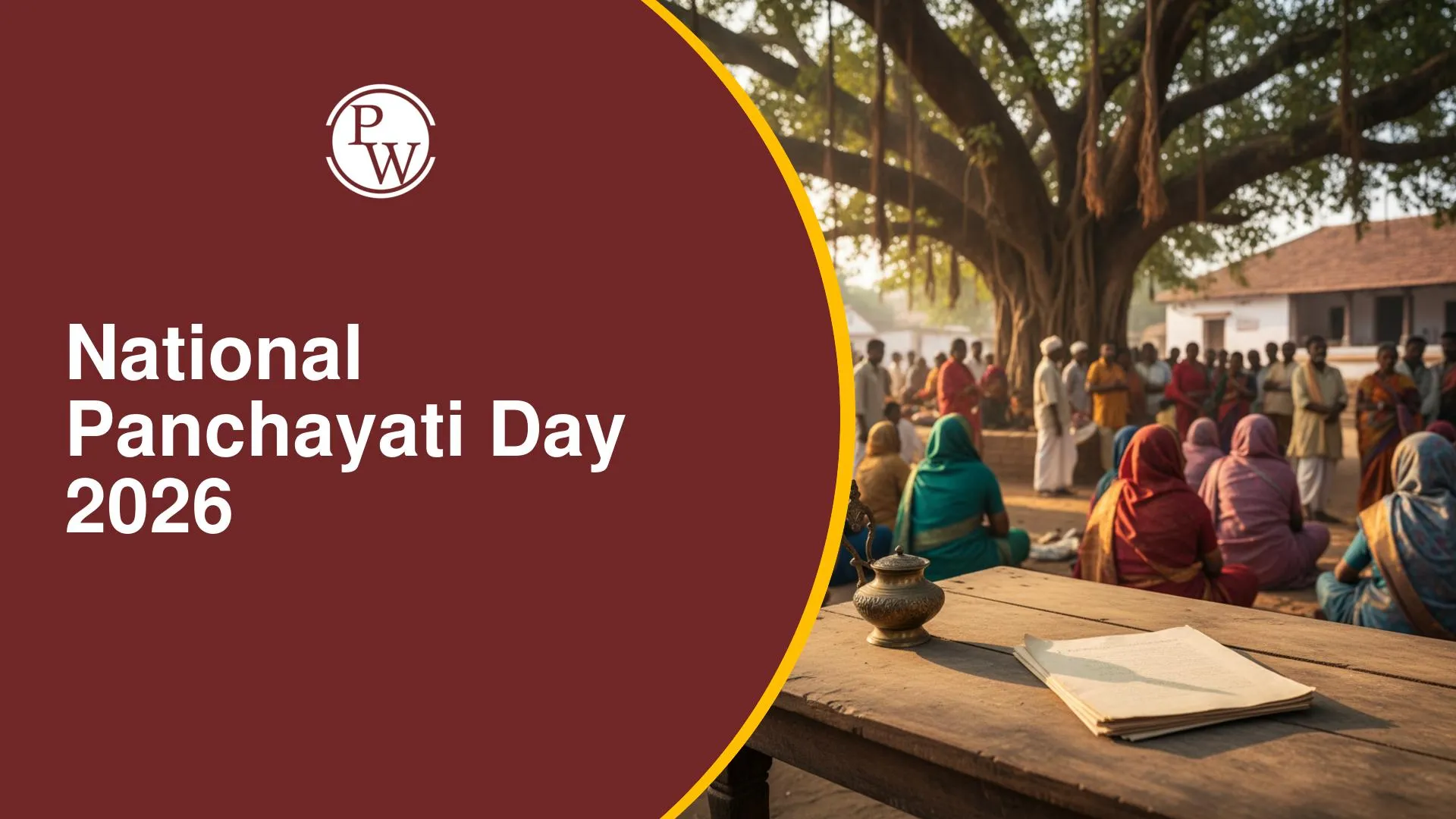
National Panchayati Raj Day 2026 is a landmark occasion that celebrates the essence of grassroots democracy in India. Observed annually on April 24, this day marks the institutionalization of local self-government through the 73rd Constitutional Amendment Act, 1992. As India moves toward a more digitized and self-reliant rural economy, the celebration in 2026 serves as a reminder of the vital role played by Panchayati Raj institutions in India's national development.
National Panchayati Raj Day 202 Key Highlights
National Panchayati Raj Day 2026 highlights the importance of strengthening local governance in rural India. The key details of the event are summarised below for better understanding.
|
National Panchayati Raj Day 2026 Key Highlights |
|
|
Particulars |
Details |
|
Event Name |
National Panchayati Raj Day |
|
National Panchayati Raj Day 2026 Date |
April 24, 2026 |
|
Nodal Ministry |
Ministry of Panchayati Raj |
|
Legal Basis |
73rd Constitutional Amendment Act, 1992 |
|
Objective |
Strengthening local self-governance and democratic decentralization |
History of National Panchayati Raj Day India
The journey toward a formal Panchayati Raj system in India began decades ago, rooted in the Gandhian philosophy of "Gram Swaraj" or village self-rule. While various committees like the Balwant Rai Mehta Committee (1957) and Ashok Mehta Committee (1977) recommended a structured local government, it wasn't until the early 1990s that it received constitutional backing.
The 73rd Constitutional Amendment Panchayati Raj Act was passed in 1992 and officially came into force on 24 April 1993. To commemorate this historic transition of power to the people, the Government of India declared April 24 as National Panchayati Raj Day in 2010. Since then, the day has been used to evaluate the progress of rural local bodies and reward excellence in governance.
Three-Tier Structure of Panchayati Raj Institutions in India
The 1992 Amendment introduced a uniform three-tier system across the country (except in states with a population below 20 lakhs). This structure ensures that governance is not just centralised in New Delhi or state capitals but reaches every household.
-
Gram Panchayat (Village Level): The primary tier where members and the Sarpanch are directly elected by the Gram Sabha (all registered voters of the village).
-
Panchayat Samiti (Block Level): An intermediate body that coordinates the activities of all Gram Panchayats within a block.
-
Zila Parishad (District Level): The highest tier that oversees the implementation of development programs at the district level and advises the state government.
Panchayati Raj Day Significance and Importance
The Panchayati Raj Day significance extends beyond mere celebration; it is about political and social empowerment.
-
Empowering Marginalized Groups: The system mandates a one-third reservation for women and proportional representation for Scheduled Castes (SCs) and Scheduled Tribes (STs).
-
Localized Development: From sanitation and primary education to the implementation of the Jal Jeevan Mission, Panchayats handle 29 functional items listed in the Eleventh Schedule of the Constitution.
-
Digital Transformation: Recent years have seen the integration of technology through the e-GramSwaraj portal and the SVAMITVA scheme, which provides property cards to rural homeowners, reducing property disputes.
National Panchayati Raj Day UPSC Perspective
For those preparing for competitive exams, National Panchayati Raj Day UPSC is a core topic under the Indian Polity syllabus. Key areas of focus include:
-
Article 40: The Directive Principle that originally urged the state to organize village panchayats.
-
Part IX of the Constitution: Added by the 73rd Amendment, containing Articles 243 to 243O.
-
Eleventh Schedule: Detailing the 29 subjects over which Panchayats have jurisdiction.
-
State Finance Commission: Established every five years to review the financial position of the Panchayats.
National Panchayat Awards 2026
Every year, on 24 April Panchayati Raj Day, the Ministry of Panchayati Raj confers National Panchayat Awards to the best-performing units. These awards, such as the Deen Dayal Upadhyay Panchayat Satat Vikas Puraskar, incentivize local bodies to work toward Sustainable Development Goals (SDGs) like poverty alleviation, clean water, and gender equality.
National Panchayati Day 2026 FAQs
When is National Panchayati Raj Day celebrated?
What is the significance of the 73rd Constitutional Amendment?
Who inaugurated the first National Panchayati Raj Day?
What is the minimum age to contest Panchayat elections?


Have questions about your prep?
Our experts can answer all your questions