







Nutrient Based Subsidy (NBS) 2026: Kharif Subsidy Rates, DAP Price & Budget

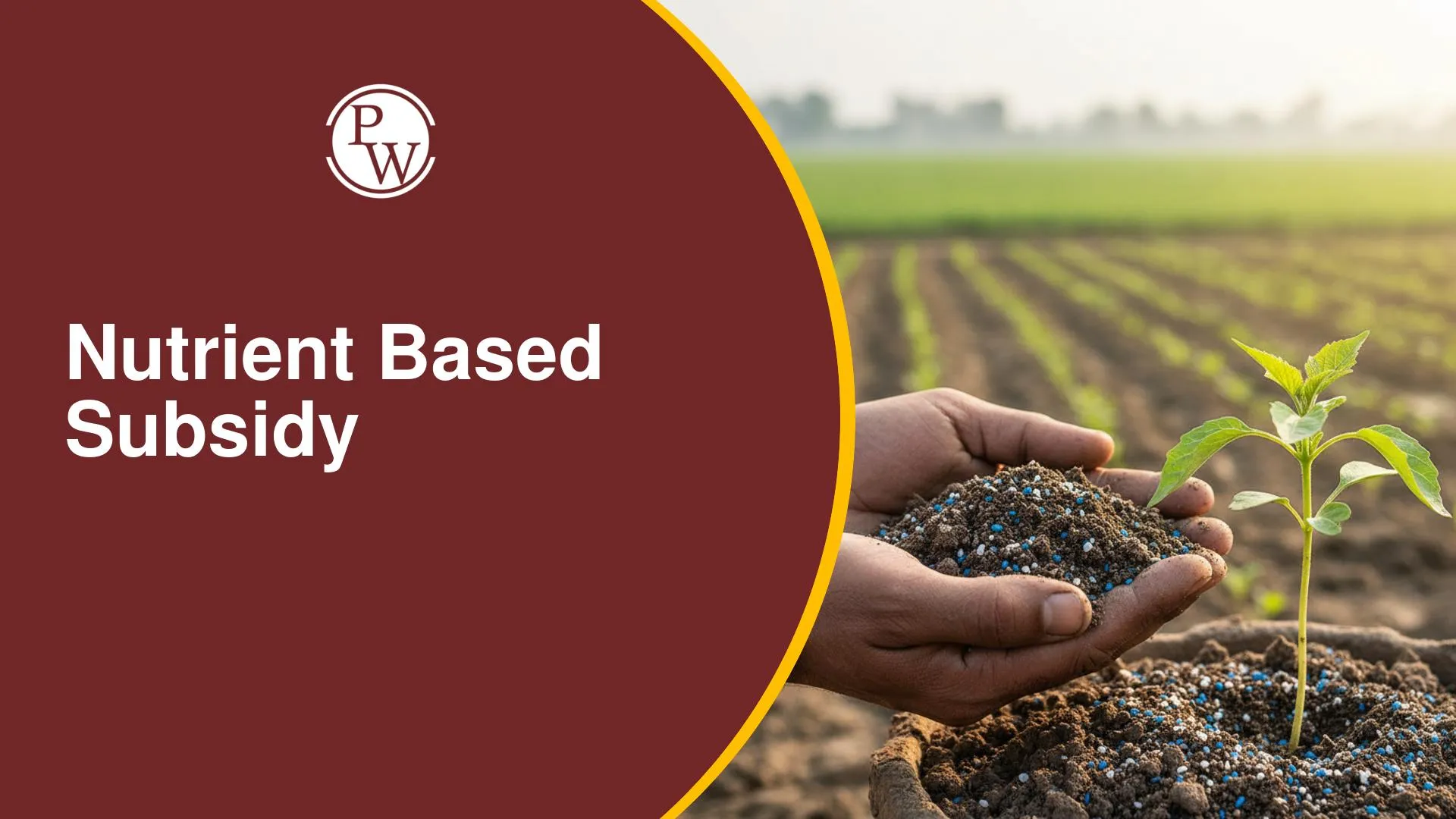
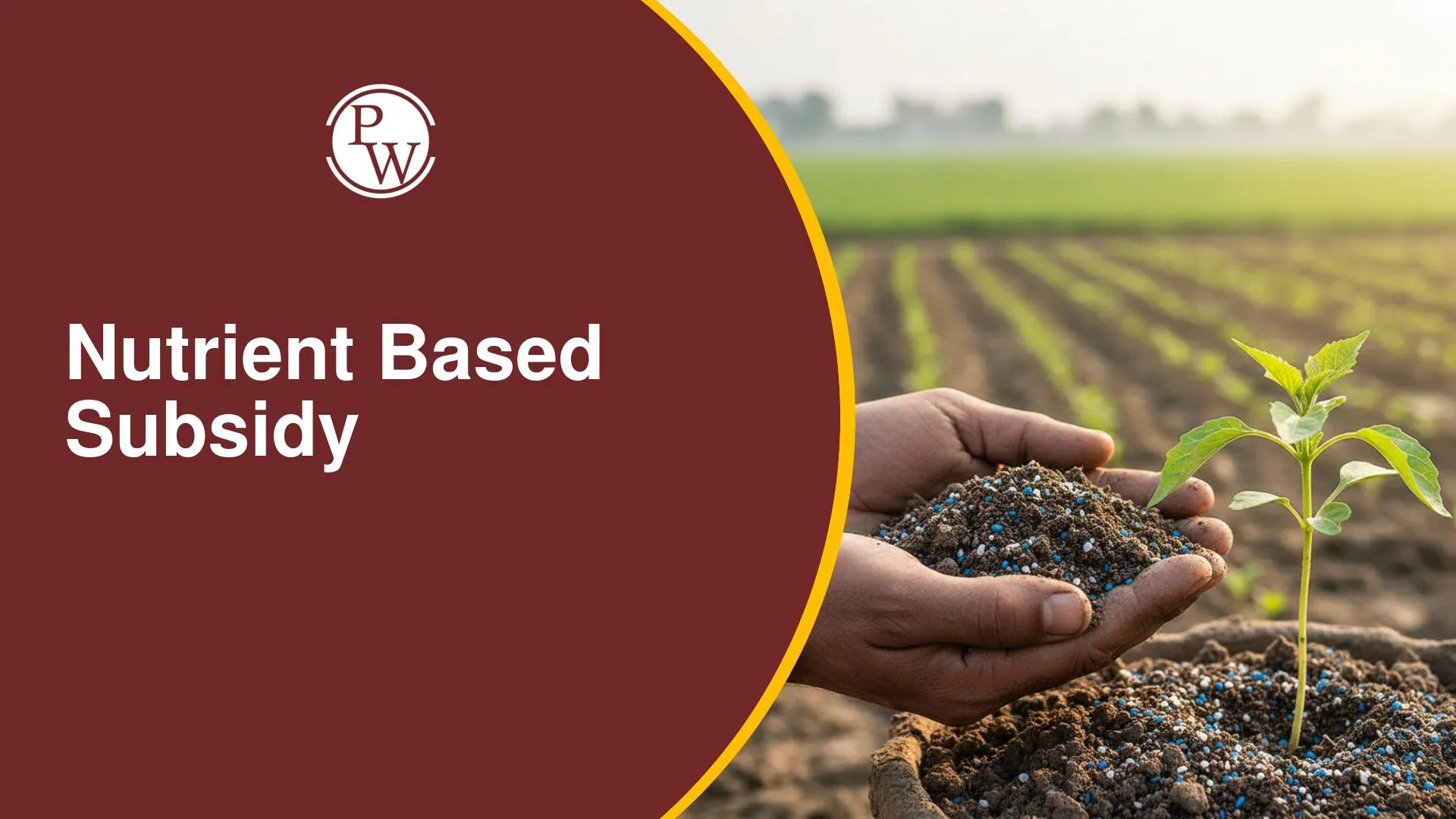
The Nutrient Based Subsidy (NBS) is a government initiative introduced to make fertilizers affordable and promote balanced nutrient use in agriculture. Under this scheme, subsidies are provided based on the nutrient content—Nitrogen (N), Phosphorus (P), Potassium (K), and Sulphur (S)—rather than on specific fertilizer products. Launched in 2010, the NBS system aims to encourage farmers to use the right mix of nutrients for better soil health and higher crop productivity, while also reducing the impact of fluctuating global fertilizer prices.
Nutrient Based Subsidy (NBS) 2026 Overview
The Nutrient Based Subsidy (NBS) scheme, implemented by the Department of Fertilizers, governs the subsidy provided on Phosphatic and Potassic (P&K) fertilizers. For the upcoming Kharif Season 2026 (effective from April 1, 2026, to September 30, 2026), the government has sanctioned a tentative budgetary requirement of ₹41,533.81 crore.
This allocation is approximately ₹4,317 crore higher than the budget for Kharif 2025, marking an 11-12% increase. The hike is a strategic response to the rising international prices of fertilizers and raw materials like Urea, DAP, MOP, and Sulphur, exacerbated by global supply chain disruptions.
Key Highlights of the NBS Scheme Kharif 2026
The NBS Scheme India is designed to promote the balanced use of fertilizers. Below are the critical details of the latest cabinet decision:
-
Applicability Period: April 1, 2026, to September 30, 2026.
-
Total Outlay: ₹41,533.81 crore.
-
Grades Covered: 28 grades of P&K fertilizers, including DAP (Di-Ammonium Phosphate) and various NPKS fertilizers.
-
DAP Price Stability: Despite global price surges, the government has ensured the DAP subsidy India remains robust, keeping the retail price stable at ₹1,350 per 50 kg bag.
Nutrient-Wise Subsidy Rates for Kharif 2026
The subsidy is fixed based on the nutrient content (N, P, K, and S) in the fertilizer. The approved NBS rates Kharif 2026 are as follows:
|
Nutrient-Wise Subsidy Rates for Kharif 2026 |
|
|
Nutrient |
Subsidy Rate (per Kg) |
|
Nitrogen (N) |
₹47.32 |
|
Phosphate (P) |
₹52.76 |
|
Potash (K) |
₹2.38 |
|
Sulphur (S) |
₹3.16 |
Note: The subsidy for Nitrogen, Phosphate, and Sulphur has seen an upward revision to absorb international price shocks, while the potassic fertilizers subsidy rate remains consistent with previous rabi season levels.
Benefits for Farmers and Agriculture
The primary objective of the government fertilizer scheme is to ensure affordable fertilizers for farmers. By rationalizing the subsidy on fertilizers 2026, the government aims to:
-
Insulate Farmers: Protect the farming community from the impact of the West Asia conflict and global market volatility.
-
Ensure Availability: Guarantee the smooth supply of phosphatic fertilizers India during the peak sowing months of the Kharif season.
-
Boost Productivity: Encourage the application of optimal nutrients to maintain crop yields and overall agriculture subsidy India effectiveness.
Implementation and Monitoring
The Department of Fertilizers will release the subsidy directly to fertilizer manufacturers and importers based on the notified rates. This ensures that the benefit of the farmers fertilizer support is passed down to the end-users.
The government has also confirmed that current stocks of urea (61.14 LMT) and DAP (24.24 LMT) are significantly higher than last year, ruling out any possibility of shortage.
Nutrient Based Subsidy FAQs
What is the Nutrient Based Subsidy (NBS) scheme?
How does the NBS Kharif 2026 benefit small farmers?
Is the price of DAP increasing in 2026?
Which department handles the fertilizer subsidy in India?





 Live & recorded classes available at easeDashboard for progress trackingLakhs of practice questions


