






Pradhan Mantri Janjatiya Vikas Mission (PMJVM): Tribal Livelihood & Van Dhan Vikas Kendra Scheme

Share
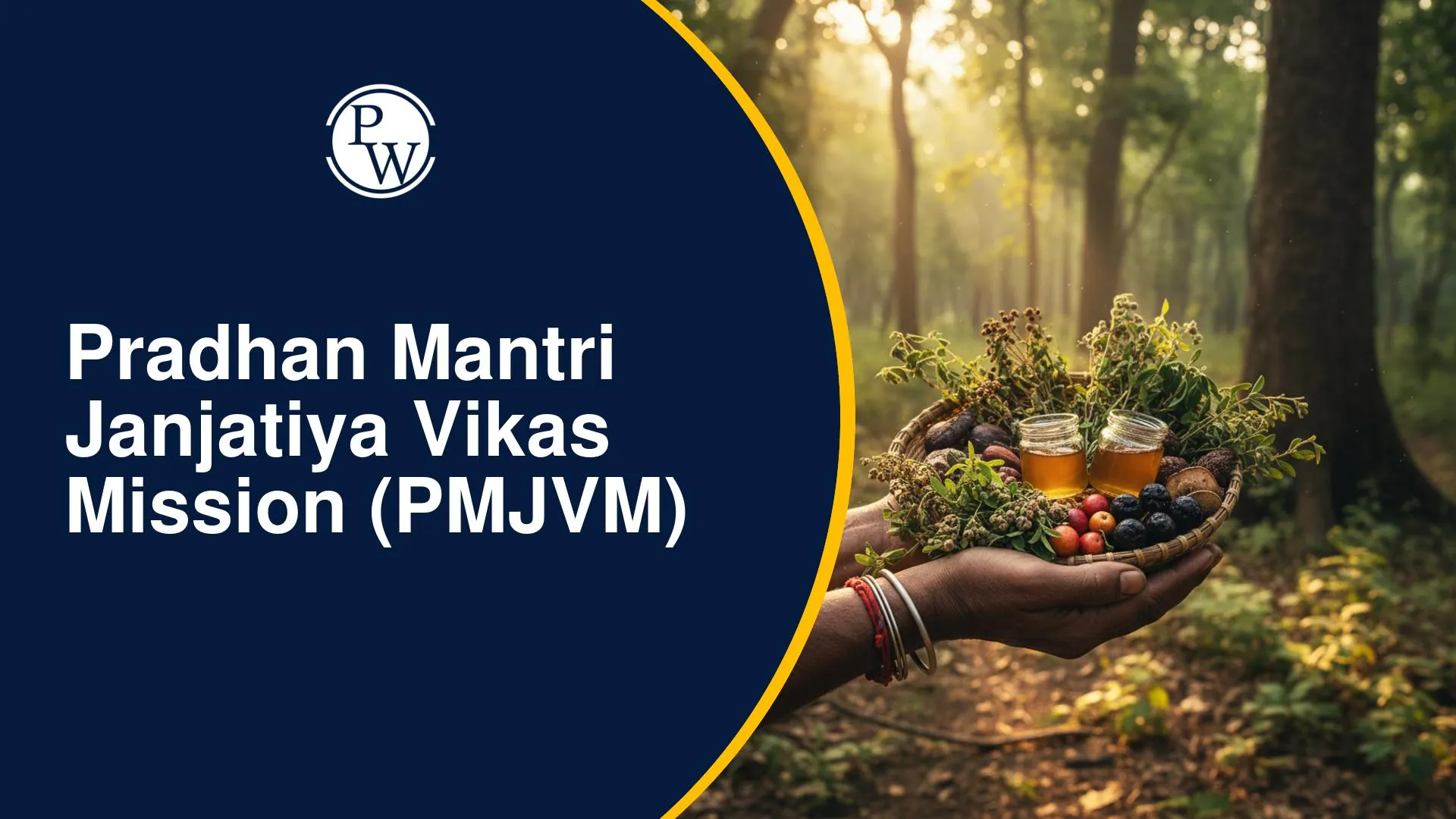
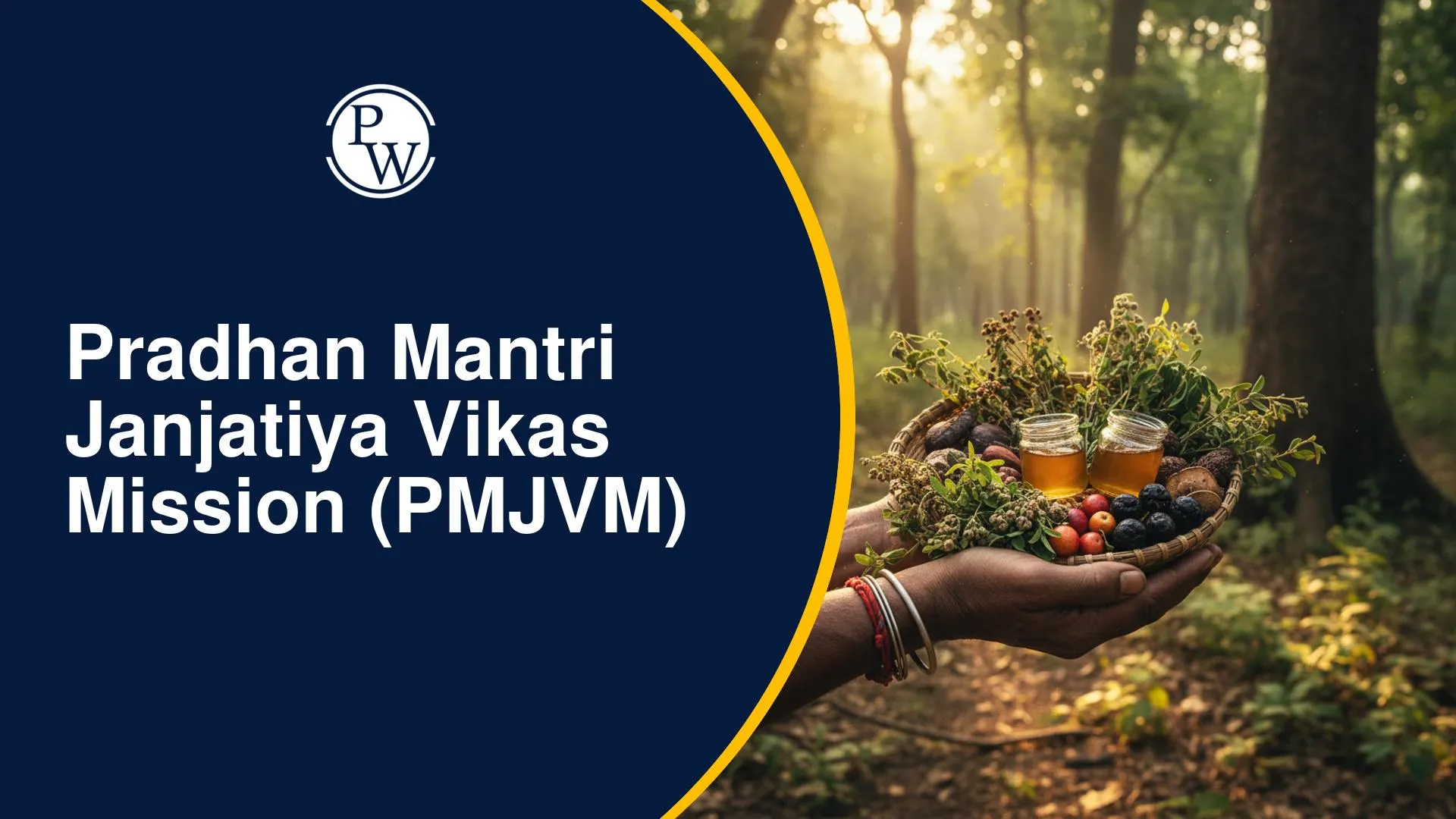
Understanding government schemes is essential for students preparing for competitive exams and individuals dedicated to social development. The Pradhan Mantri Janjatiya Vikas Mission (PMJVM) represents a significant shift in how India approaches indigenous welfare.
By focusing on economic empowerment and sustainable growth, the mission actively integrates tribal communities into the mainstream economy. The following sections explore the core mechanisms of this tribal development scheme India, highlighting its role in transforming livelihoods through entrepreneurship and value addition.
Pradhan Mantri Janjatiya Vikas Mission (PMJVM) Overview
The Pradhan Mantri Janjatiya Vikas Mission (PMJVM) is a flagship initiative of the Ministry of Tribal Affairs, Government of India. It aims to uplift tribal communities by creating sustainable livelihood opportunities and fostering entrepreneurship.
Launched in 2021-22 and extending through 2025-26, the mission merges previous tribal welfare schemes into a unified, comprehensive framework. By focusing on value addition and direct market access, the mission ensures economic prosperity and fair returns for tribal produce.
|
Pradhan Mantri Janjatiya Vikas Mission (PMJVM) Overview |
|
|
Feature |
Details |
|
Nodal Ministry |
Ministry of Tribal Affairs (MoTA) |
|
Central Implementing Agency |
Tribal Co-operative Marketing Development Federation of India (TRIFED) |
|
Scheme Type |
Central Sector Scheme (100% Grant-in-aid) |
|
Implementation Period |
FY 2021-22 to FY 2025-26 |
|
Core Components |
Van Dhan Vikas Kendras (VDVKs) and MSP for MFP |
|
Coverage |
25 States and 3 Union Territories |
|
Primary Beneficiaries |
Tribal Gatherers, Artisans, and Self-Help Groups (SHGs) |
|
Current Reach |
4,172 Sanctioned VDVKs (benefitting ~12.48 lakh members) |
|
MSP Coverage |
87 Minor Forest Produce (MFP) items |
Empowering Through Van Dhan Vikas Kendras
The Van Dhan Vikas Kendra scheme is central to PMJVM's success. This part of the mission focuses on collecting, processing, and marketing Minor Forest Produce (MFP) and other tribal products. These Kendras (centres) are formed by groups of tribal members, primarily women, known as Van Dhan Self Help Groups (VDSHGs). Each VDVK typically includes about 15 VDSHGs, bringing together up to 300 tribal members.
-
Value Addition: VDVKs help tribals add value to their collected produce. This turns raw materials into processed goods, fetching better prices.
-
Skill Development: Members receive training in processing techniques, packaging, and marketing. This builds their capacity for entrepreneurship.
-
Market Access: VDVKs link tribal producers directly to markets. This removes middlemen, ensuring fairer returns for their hard work.
Currently, 4,172 VDVKs have been approved. These involve 12.48 lakh tribal members across 25 states and 3 Union Territories. This shows a wide reach of the Van Dhan Vikas Kendra scheme.
Supporting Tribal Livelihoods and Produce
The mission supports a wide range of activities to improve tribal income. It provides financial assistance to strengthen tribal entrepreneurship initiatives. This helps create more job opportunities. The scheme promotes efficient and fair use of natural resources. It also supports enterprises based on Minor Forest Produce (MFP), farm, and non-farm products.
-
Minimum Support Price (MSP): The Ministry of Tribal Affairs has set a Minimum Support Price for 87 Minor Forest Produce items. This ensures tribals get a fair price for their collections, protecting them from market fluctuations. This is a key part of minor forest produce value addition India.
-
Infrastructure Development: The scheme funds essential infrastructure like godowns (storage facilities), haat bazaars (local market centres), and cold storage units. These facilities help store products safely, improve handling, and reduce waste. They also help tribals access fair markets.
-
Revolving Funds: Funds are available for states to procure MFPs at MSP. This helps states buy produce when market prices are low. This mechanism significantly supports tribal livelihood mission India.
Promoting Tribal Entrepreneurship Development
Tribal entrepreneurship development India is a core aim of PMJVM. The mission encourages tribals to form Van Dhan Producer Enterprises (VDPEs). These are larger organizations formed by VDVK members. They register under state laws to operate more formally, like a business.
-
Financial Aid: VDPEs receive financial support, up to Rs. 64 lakh over three years. This helps cover costs like incubation, technical support, training, and marketing.
-
Branding and Promotion: The mission actively promotes tribal products. This includes advertising, branding, and participation in various festivals and exhibitions. Such efforts help these unique products reach a wider audience.
-
IT Platforms: TRIFED, the central implementing agency, is developing online portals and e-commerce sites. These digital tools help process scheme activities and monitor progress. They also provide a one-stop platform for all tribal products.
This focus on structured support helps transform tribal gatherers into successful entrepreneurs. It strengthens the tribal entrepreneurship development India ecosystem.