






Rashtriya Gram Swaraj Abhiyan, Objectives, Funding, Benefits


Share
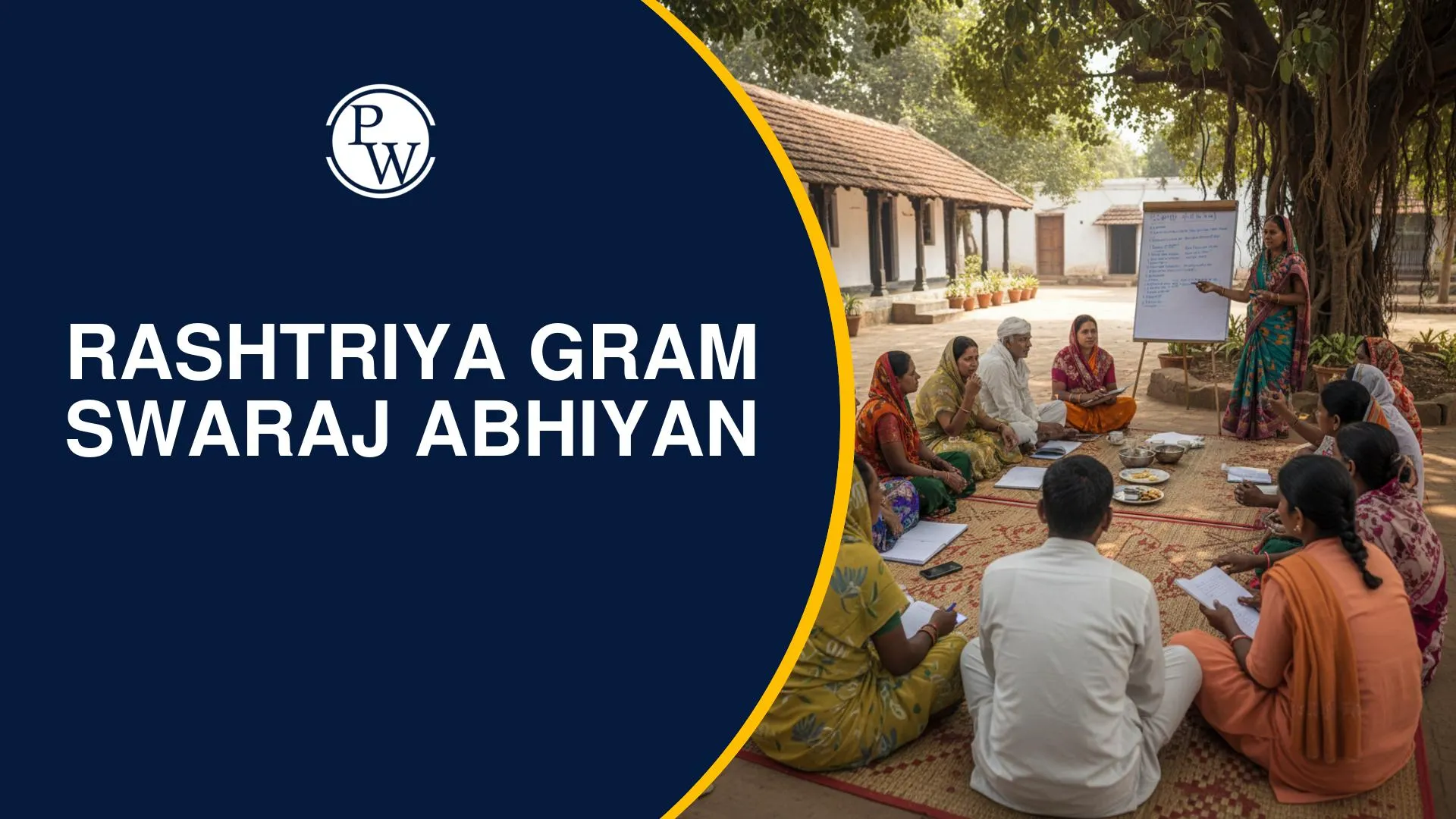
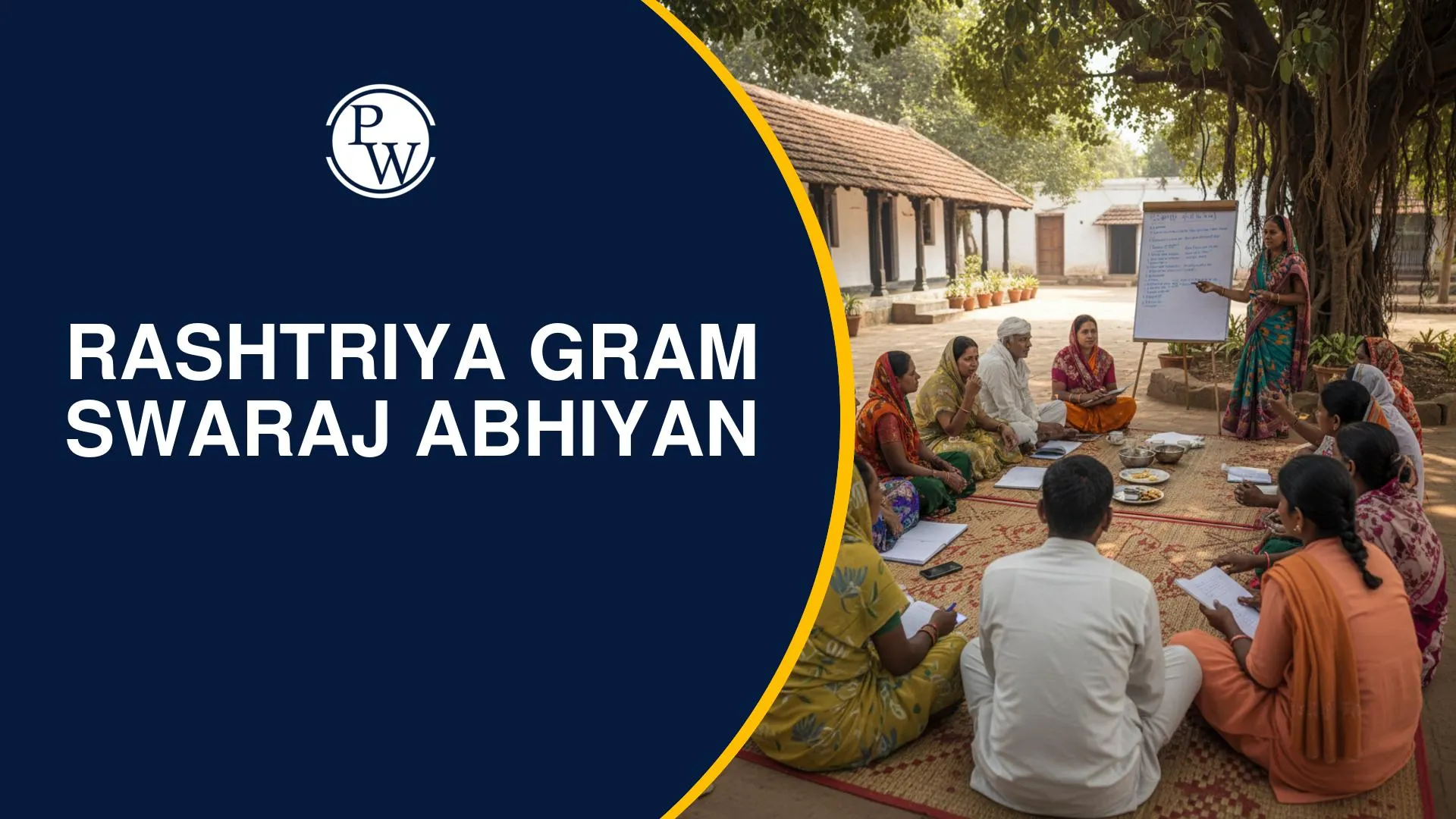
Rashtriya Gram Swaraj Abhiyan (RGSA) is a landmark initiative launched by the Ministry of Panchayati Raj to revamp rural local governance in India. By focusing on the empowerment of Panchayati Raj Institutions (PRIs), the scheme ensures that democracy reaches the grassroots level effectively.
The Revamped Rashtriya Gram Swaraj Abhiyan (RGSA) was approved on April 13, 2022. It will run from April 1, 2022, to March 31, 2026. This period matches the XV Finance Commission cycle. The Union Cabinet recently approved the continuation of the scheme till March 2026 with a total outlay of ₹5,911 crore.
RGSA Latest Updates
As per recent official releases and PIB updates, the Ministry of Panchayati Raj RGSA scheme continues to focus on:
-
Digital Panchayat initiatives
-
Sustainable Development Goals (SDG) localization
-
Mission-mode training programs
-
Strengthening Gram Sabhas
Rashtriya Gram Swaraj Abhiyan remains a key instrument for institutional reforms in rural governance.
What is Rashtriya Gram Swaraj Abhiyan?
RGSA full form is Rashtriya Gram Swaraj Abhiyan. It is a centrally sponsored scheme implemented by the Ministry of Panchayati Raj. Rashtriya Gram Swaraj Abhiyan was launched to strengthen Panchayati Raj Institutions and improve governance at the grassroots level.
The RGSA scheme is designed as a strengthening Panchayati Raj Institutions scheme that supports states and Union Territories in enhancing the functioning of Gram Panchayats, Panchayat Samitis, and Zila Parishads.
This rural local governance scheme in India ensures that elected representatives are trained, skilled, and capable of delivering effective public services.
Objectives of Rashtriya Gram Swaraj Abhiyan
The Rashtriya Gram Swaraj Abhiyan has several key objectives:
-
Develop governance capabilities of PRIs to deliver on SDGs.
-
Enhance Panchayat capabilities for inclusive local governance. This includes optimal resource use and convergence with other schemes.
-
Address issues of national importance.
-
Boost Panchayats' ability to raise their own revenue.
-
Strengthen Gram Sabhas for effective people's participation, transparency, and accountability.
-
Develop a network of excellent institutions for capacity building and PRI support.
-
Strengthen institutions for capacity enhancement of Panchayati Raj Institutions at various levels.
-
Promote e-governance and technology-driven solutions for administrative efficiency and better service delivery.
-
Recognize and incentivize Panchayati Raj Institutions based on performance.
Through these goals, Rashtriya Gram Swaraj Abhiyan ensures effective local self-government in rural areas.
Key Features of Rashtriya Gram Swaraj Abhiyan
The major RGSA features include:
-
Centrally Sponsored Scheme (CSS)
-
Implemented by the Ministry of Panchayati Raj
-
Focus on RGSA capacity building of PRI
-
Training support under RGSA training for Panchayati Raj Institutions
-
Financial assistance to states and UTs
-
Special focus on backward and aspirational districts
Rashtriya Gram Swaraj Abhiyan emphasizes institutional strengthening and governance reforms for sustainable rural development.
RGSA Implementation Structure
The RGSA implementation process involves coordination between the central government, state governments, and local bodies.
|
Level |
Role in Implementation |
|
Ministry of Panchayati Raj |
Policy formulation and funding support |
|
State Governments |
Execution and monitoring |
|
District Panchayats |
Coordination at district level |
|
Gram Panchayats |
Ground-level implementation |
Rashtriya Gram Swaraj Abhiyan is monitored through regular reporting, evaluation, and performance tracking mechanisms.
RGSA Funding Pattern
The RGSA funding pattern varies based on state category:
-
60:40 ratio between Centre and States (for general states)
-
90:10 ratio for North-Eastern and Himalayan states
-
100% central support for Union Territories without a legislature
The funding supports training, infrastructure, e-governance, and administrative reforms under the Rashtriya Gram Swaraj Abhiyan scheme details
RGSA Components and RGSA Activities
The RGSA components are divided into Central and State segments. The Central component focuses on national-level activities like technical support and awards, while the State component handles the actual RGSA benefits for panchayats. These benefits include:
-
Infrastructure Development: Construction of Gram Panchayat Bhawans and Computer Centers.
-
Technical Support: Hiring human resources to bridge the gap in technical expertise.
-
Special Support: Focus on the socio-economic development of the 117 Aspirational Districts.
|
Feature |
Description |
|
RGSA for Rural Governance |
Focuses on institutionalizing the planning process at the village level. |
|
RGSA for Local Self Government |
Empowers Sarpanches and Ward Members with legal and administrative knowledge. |
RGSA Benefits for Panchayats
The RGSA benefits for panchayats are significant:
-
Improved administrative efficiency
-
Better financial management
-
Enhanced planning and budgeting skills
-
Increased citizen participation
-
Stronger local self government
Through Rashtriya Gram Swaraj Abhiyan, Panchayats gain better knowledge of governance rules, accountability standards, and development planning.
RGSA Scheme Guidelines and Monitoring
The RGSA scheme guidelines are issued by the Ministry of Panchayati Raj. These guidelines provide:
-
Framework for capacity building
-
Training modules and curriculum
-
Monitoring mechanisms
-
Financial utilization norms
Regular assessments ensure transparency and accountability under the Rashtriya Gram Swaraj Abhiyan scheme details.
RGSA for Rural Governance and Local Self Government
Rashtriya Gram Swaraj Abhiyan plays a vital role in RGSA for rural governance and RGSA for local self-government. It strengthens democratic institutions at the village level.
By supporting decentralization and grassroots democracy in India, the scheme ensures that decision-making power is shifted closer to citizens.
This rural local governance scheme in India enhances participatory development and community-driven planning.
Strengthening Rural Governance for the Future
The Ministry of Panchayati Raj RGSA scheme is not just about funding; it is about a cultural shift in rural governance. By integrating technology and specialized training, the Rashtriya Gram Swaraj Abhiyan is transforming villages into self-reliant units.
Whether it is through solar lighting, better sanitation, or digital literacy, the scheme remains the primary vehicle for achieving decentralization and grassroots democracy in India.