Republic Day 2026 Tableau: Celebrating 150 Years of Vande Mataram and Aatmanirbhar Bharat
Republic Day 2026 tableau showcases India’s cultural heritage, history, and progress through colorful floats presented by States, Union Territories, and Central Ministries at the Republic Day parade. Centered on the theme “150 Years of Vande Mataram” and Aatmanirbhar Bharat, these tableaux highlight national pride, unity in diversity, and India’s journey toward a developed nation.

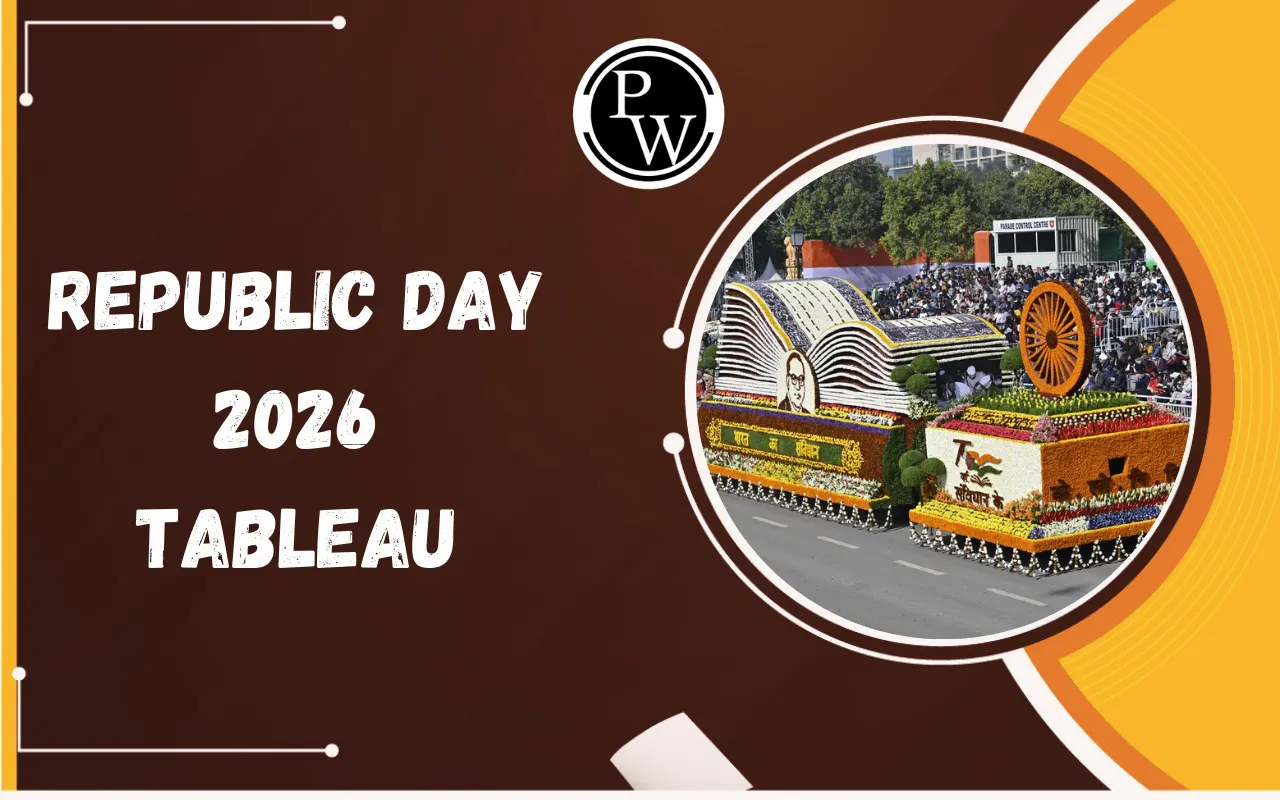
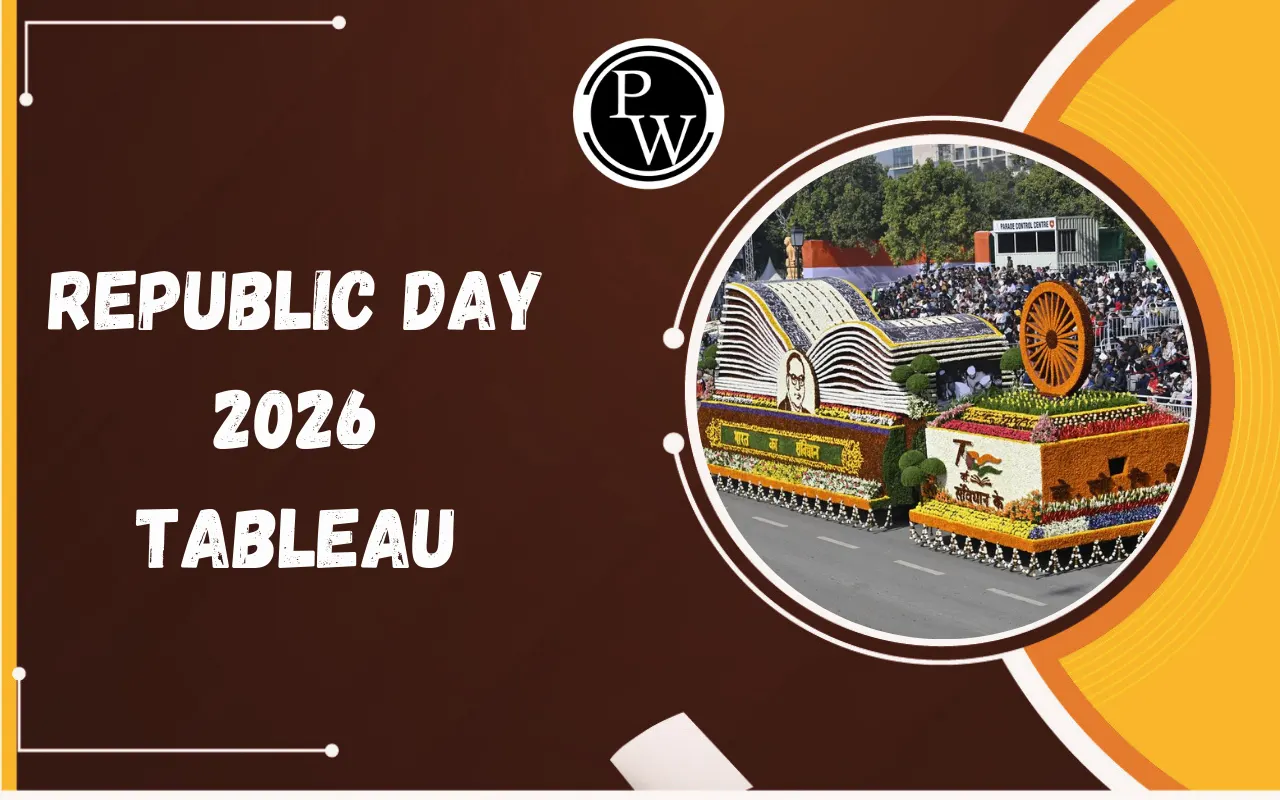
Republic Day 2026 is set to be a spectacular highlight of India’s 77th Republic Day celebrations. Every year, beautifully decorated floats from various States, Union Territories, and Central Ministries roll down the Kartavya Path, showcasing India’s cultural diversity, historical achievements, and modern progress.
This year, the focus is on the 150th anniversary of ‘Vande Mataram’ and India’s journey toward Aatmanirbhar Bharat, making the tableaux a unique blend of heritage, patriotism, and innovation. These floats not only entertain but also reflect the rich traditions and dynamic spirit of the nation.
What is Republic Day Tableau?
Republic Day tableau is a decorated float that represents the culture, history, achievements, or development of Indian States, Union Territories, and Central Ministries. These tableaux are displayed during the Republic Day parade on January 26 at Kartavya Path in New Delhi.
Each tableau uses art, music, folk dances, and visual storytelling to highlight India’s rich diversity and national pride. They are designed around a central theme announced by the Government of India and aim to showcase the spirit of “Unity in Diversity” while reflecting the country’s social, cultural, and technological progress.
Republic Day 2026 Tableau Theme: "150 Years of Vande Mataram"
For the year 2026, the Government of India has designated the overarching theme as "150 Years of Vande Mataram". The Republic Day tableau theme 2026 is broadly divided into two pillars:
-
Swatantrata ka Mantra – Vande Mataram: Focusing on the historical struggle and the soul-stirring impact of the national song.
-
Samridhi ka Mantra – Aatmanirbhar Bharat: Highlighting India's journey toward self-reliance and economic prosperity.
Republic Day Tableau States and UTs 2026
A total of 30 tableaux are set to participate in the 2026 parade, including 16 from States/UTs and several from Central Ministries. Below is the republic day 2026 tableau list state ut wise based on the proposed themes:
|
Republic Day Tableau List 2026 |
||
|
State / UT / Ministry |
Proposed Theme for 2026 |
Key Representation |
|
Uttar Pradesh |
Culture of Bundelkhand |
Heritage and traditions of the Bundelkhand region. |
|
Gujarat |
Swatantrata ka Mantra – Vande Mataram |
The state's role in the freedom movement. |
|
West Bengal |
Bengal in the Freedom Movement of India |
Focus on historical revolutionaries and Rishi Bankim Chandra. |
|
Jammu & Kashmir |
Handicrafts and Folk Dances of J&K |
Traditional craftsmanship and local art forms. |
|
Kerala |
Water Metro & 100% Digital Kerala |
Technological advancement and Atmanirbhar initiatives. |
|
Punjab |
350th Martyrdom Day of Sri Guru Tegh Bahadur Ji |
Honoring the legacy and sacrifice of the 9th Sikh Guru. |
|
Maharashtra |
Ganeshotsav: A Symbol of Atmanirbharta |
The cultural and social impact of the festival. |
|
Tamil Nadu |
EV Manufacturing Hub |
India’s progress in green energy and self-reliant manufacturing. |
|
Assam |
Ashirakandi: The Craft Village |
Terracotta and pith craft traditions. |
|
Odisha |
Soil to Silicon |
The transition from traditional roots to semiconductor innovation. |
|
Ministry of Culture |
Vande Mataram: The Soul-Cry of a Nation |
The evolution of the national song over 150 years. |
|
Air Force (IAF) |
Veterans' Tableau |
Contributions of veterans to nation-building. |
Who Selects the Republic Day Tableau Theme?
The Republic Day tableau selection process is managed by the Ministry of Defence (MoD). The MoD constitutes an Expert Committee comprising eminent personalities from various fields, including:
-
Art and Culture
-
Painting and Sculpture
-
Music and Architecture
-
Choreography
The Selection Process Step-by-Step
-
Stage 1 (Design Scrutiny): States and Ministries submit initial sketches and concept notes. The committee evaluates visual appeal and thematic alignment.
-
Stage 2 (3D Model Assessment): Shortlisted participants create 3D scale models. The committee suggests modifications for better visual impact.
-
Final Fabrication: Once the 3D model is approved, the tableau is fabricated at the Rashtriya Rangshala Camp.
-
Rotation Policy: To ensure every state gets a chance, the MoD has implemented a three-year rotation plan (2024-2026), allowing all States/UTs to showcase their culture within a three-year cycle.
Republic Day Tableau Significance & History in India
The tradition of Republic Day tableau history in India began in 1952. While the 1950 parade was primarily a military affair, the introduction of tableaux allowed the nation to celebrate its cultural representation and social progress.
-
1952: Madhya Pradesh featured one of the first tableaux highlighting tribal artisans.
-
1963: Punjab’s tableau showcased the Green Revolution.
-
Modern Era: Today, tableaux use advanced technologies like robotics, 3D printing, and AR/VR to depict a futuristic "Viksit Bharat".
Republic Day Tableau Competition 2026 and Awards
The parade is not just a display but a Republic Day tableau awards where participants vie for prestigious honors.
-
Jury Choice: Selected by the official MoD expert committee.
-
People's Choice: Since 2022, citizens can vote for their favorite tableau via the MyGov/My Bharat portal.
-
Republic Day Tableau Winners 2026: The winners are typically announced a few days after January 26, with awards presented for the Best Tableau among States and Ministries separately.
Interesting Republic Day Tableau Facts
-
Eco-Friendly Focus: The MoD mandates the use of sustainable and biodegradable materials for all floats.
-
No Logos: Tableaux are prohibited from using commercial logos or statistical data, focusing purely on artistic representation.
-
Language Rule: The name of the state must be written in Hindi (front), English (back), and the regional language (sides).
-
Special Guests: For 2026, the parade will be witnessed by nearly 10,000 special guests from various walks of life, including artisans and beneficiaries of government schemes.
Republic Day 2026 Tableau FAQs
What is a Republic Day tableau?
Who selects the Republic Day tableau theme?
What is the significance of Republic Day tableaux?
How many tableaux will participate in Republic Day 2026?