Tebhaga Movement (1946-1947): Causes, Features, Outcome and Importance

Tebhaga Movement was a significant peasant uprising in colonial Bengal. It highlights the struggle of landless farmers against oppressive land systems. Understanding this movement is key for students studying Indian history and social justice movements. It reveals how economic hardship can lead to organised resistance.
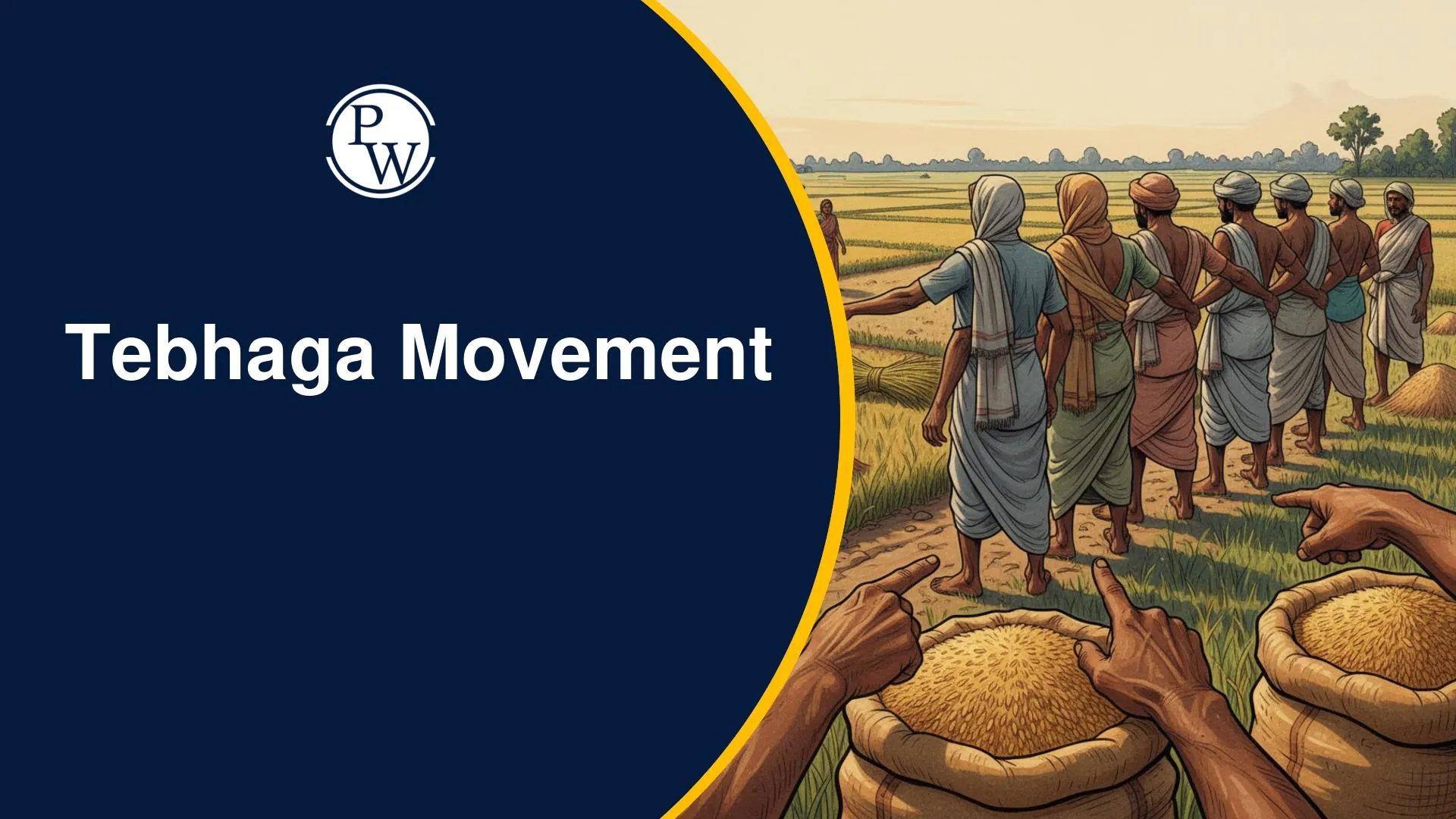
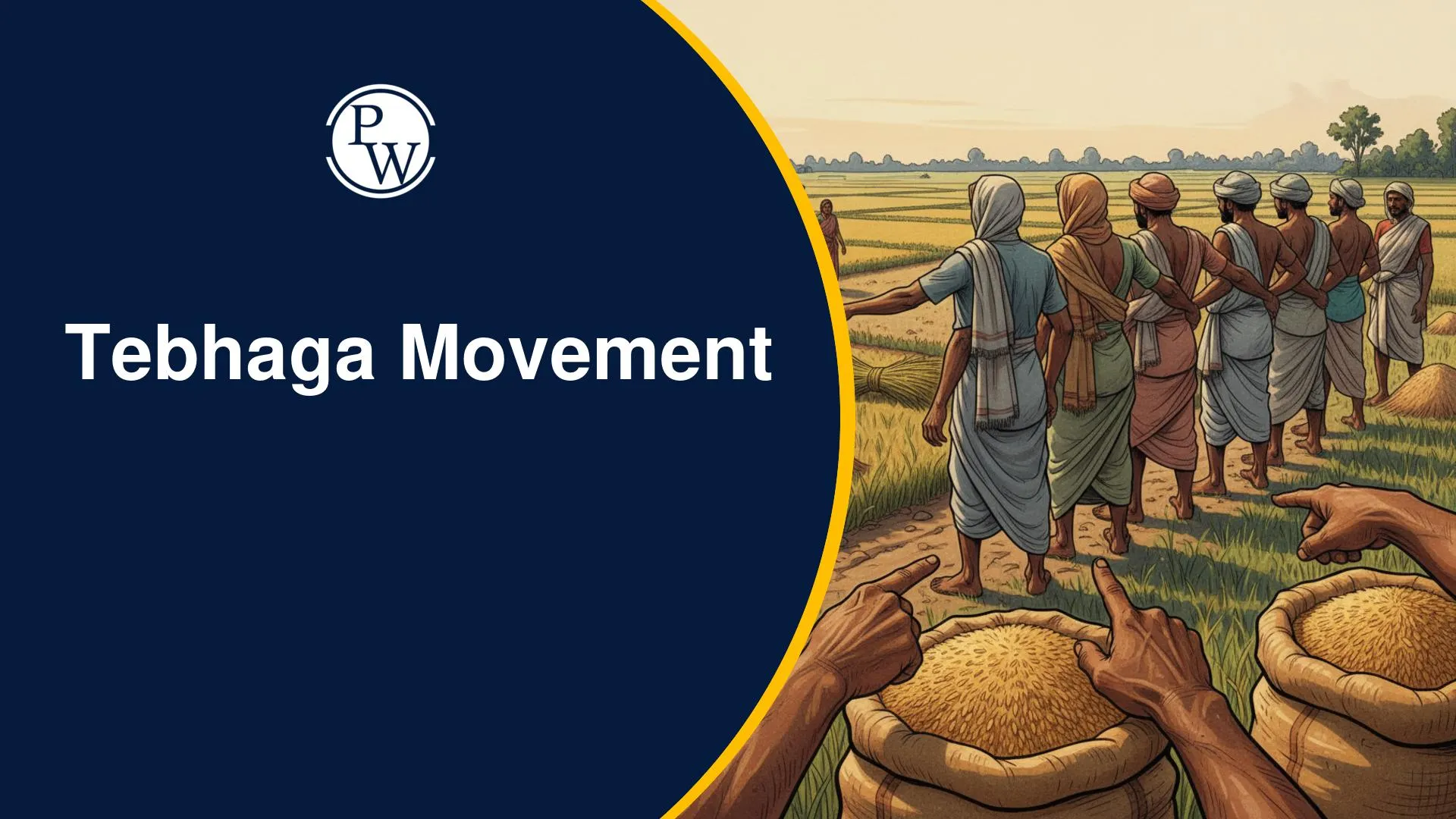
The Tebhaga Movement was a major agrarian protest in Bengal during 1946-1947. Sharecroppers, known as bargadars, demanded a larger share of the crops they grew. They sought two-thirds of the produce, reducing the landlord's share to one-third. This movement challenged the deeply unfair zamindari system and highlighted the exploitation of sharecroppers. It gained wide support from the rural poor.
Causes of Tebhaga Movement
Several factors led to the Tebhaga Movement in Bengal. These causes fueled deep resentment among the sharecroppers and rural poor.
Economic Exploitation
Landlords severely exploited sharecroppers (bargadars). Sharecroppers had to give half of their produce to landowners. This left them with very little, especially after poor harvests. This system kept peasants in perpetual poverty.
Famine of 1943
The devastating Bengal famine of 1943 intensified the crisis. It caused widespread starvation and death. Landlords, however, still demanded their share of crops. This further angered the suffering peasantry.
Floud Commission Recommendations
The Floud Commission, set up by the British government, studied agrarian issues. It suggested that sharecroppers should get two-thirds of the produce. Although not implemented, this recommendation validated the peasants' demand for a two-thirds share.
Course of Tebhaga Movement
The Tebhaga Movement 1946 spread quickly across many districts of Bengal. It involved several stages of mobilisation and confrontation.
Initial Mobilisation
The Communist Party of India (CPI) and its peasant front, the Bangiya Pradeshik Kisan Sabha, began organising peasants. They held meetings and rallies to educate farmers about their rights. Their main slogan was "Adhi noy, Tebhaga chai" (We want two-thirds, not half).
Resistance from Landlords
As the movement gained strength, sharecroppers refused to give landlords their traditional half-share. They stored crops in their own barns. This led to clashes with landlords and their hired agents. The colonial government supported the landlords. Police forces were used to suppress the sharecroppers movement in Bengal, leading to violence and arrests.
Decline
By mid-1947, the movement started to decline. Government repression was brutal. Internal divisions also weakened the movement. The upcoming independence of India shifted political focus.
Tebhaga Movement Features
The Tebhaga Movement displayed distinct features as a Bengal agrarian movement.
Nature of Movement
This Tebhaga peasant movement Bengal was primarily an agrarian revolt. It grew from the economic hardships of sharecroppers. It was a mass movement with extensive participation from poor villagers.
Leadership
The role of Kisan Sabha Tebhaga movement was central. It was led by the Bangiya Pradeshik Kisan Sabha, the peasant wing of the CPI. Key figures included Hare Krishna Konar and others.
Participation
Sharecroppers, landless labourers, and small farmers widely participated. Role of women in Tebhaga movement was also notable. Women joined protests, meetings, and even resisted the police.
Tebhaga Movement Outcome
Though its immediate demands were not fully met, the Tebhaga Movement impact was significant for future agrarian reforms and peasant movements in India.
Land Reforms
The movement brought land reform to the political agenda in Bengal. It helped pave the way for the later abolition of the zamindari system. It also pushed for land redistribution.
Increased Political Awareness
The agrarian struggles in colonial India like Tebhaga raised political awareness among peasants. It showed the power of organised resistance. It highlighted the need for political representation of farmer interests.
Impact on Independence Struggle
The Tebhaga Movement was part of the broader wave of peasant movements in India during the 1940s. These movements challenged British rule. They added momentum to India's fight for independence.
Empowerment of Women
Women played a crucial role, forming groups like the 'Nari Bahini'. This empowered women and broadened their participation in public life.
Importance of Movement
This historical peasant movement holds considerable importance. For students and aspirants, studying the Tebhaga Movement offers insight into colonial India's agrarian structure and social injustices. It highlights the power of collective action against exploitation. For competitive exams, understanding its causes of Tebhaga movement, Tebhaga movement demands, leadership, and Tebhaga movement outcome is crucial for topics on peasant and tribal movements in modern Indian history.
Tebhaga Movement FAQs
Q1. What was the main demand of the Tebhaga Movement?
Q2. When did the Tebhaga Movement take place?
Q3. Who led the Tebhaga Movement?
Q4. What does 'Tebhaga' mean?