Top 4 Videos on Indian Dance Forms – Art and Culture for UPSC by PW


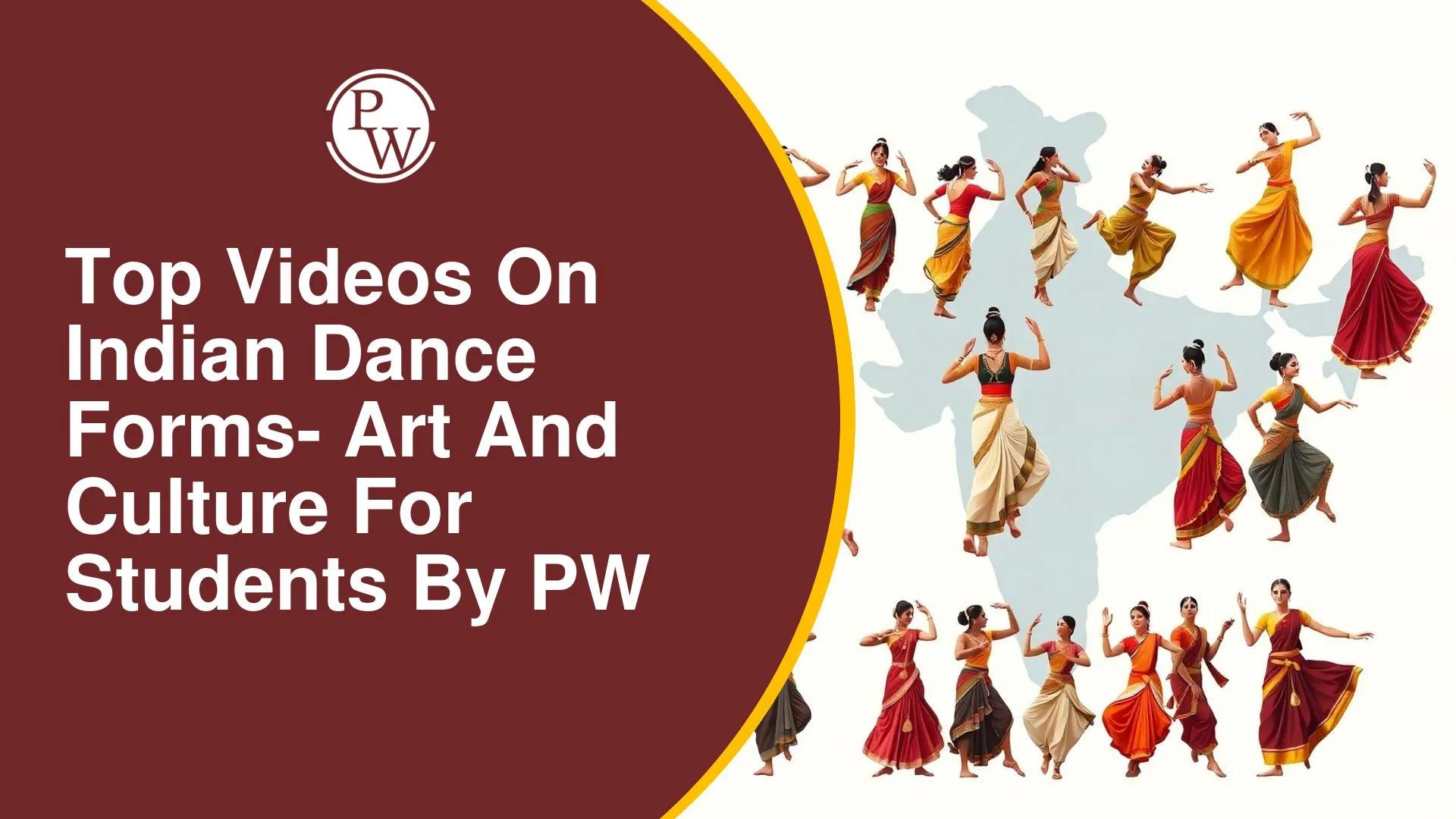
Indian Dance Forms are an important part of Art and Culture, with questions covering classical traditions, regional folk performances, historical texts, costumes, instruments and cultural significance. Remembering the features of different dance forms, identifying their associated states and understanding their historical development can be challenging when facts are spread across different sources.
PW YouTube videos explain these topics through lectures on classical and folk traditions, one-shot revision, regional examples and memory aids. You can study the eight classical dances, explore folk performances across Indian regions and connect dance traditions with their historical and social contexts for UPSC Prelims and GS-I Mains preparation.
Video 1: Understand Indian Classical and Folk Dance Traditions Alongside Music
This lecture introduces Indian classical and folk music and dance traditions, explaining their evolution, cultural significance and distinctive features. It also distinguishes between Hindustani and Carnatic music before discussing Bharatanatyam, Kathak and Odissi through their historical backgrounds and expressive elements.
The combination of music and dance makes this lesson useful for understanding the broader framework of Indian performing arts. You can use it to build foundational notes, compare cultural traditions, and connect art forms with their historical context for UPSC Prelims and Mains.
Video 2: Cover All Eight Classical Dances Through Historical Texts and State-Wise Features
This lesson covers classical and folk dance categories, historical evidence and important texts such as the Natya Shastra, Abhinaya Darpana and Abhinava Bharati. It explains concepts including rasa, tandava, lasya and the different types of abhinaya before covering all eight classical dances and their associated states.
This YouTube video gives additional attention to Bharatanatyam, including its temple connections, guru traditions, performance structure, karanas and the distinctions between nritta, nritya and natya. If you’re looking for comprehensive classical dance coverage, you can use this YouTube video to connect theoretical concepts with factual information and prepare notes for Prelims and Mains.
Video 3: Explore Regional Folk Dances Through Maps, Communities and Cultural Traditions
This lesson approaches Indian folk dances through seven cultural regions and explains how regional traditions can extend beyond state boundaries. It focuses on Andhra Pradesh, Telangana and Karnataka, covering performances such as Burrakatha, Veer Natyam, Kolattam, Butta Bommalu, Tholu Bommalata, Kuchipudi and Veeragase.
Maps, stories, languages, communities, mythology and social roles provide context for understanding these traditions. It also connects folk performances with local economic and cultural life. You can use it to develop regional awareness, improve map-based recall and understand the social context behind different folk traditions.
Video 4: Memorise Classical Dance Features Through Mnemonics, Historical Links and Performance Elements
This lesson covers India's eight classical dances and their associated states, using memory aids to support factual recall. It explores Bharatanatyam through its meaning, bhava, raga, tala, temple and Devadasi connections, colonial criticism and revival. The discussion also includes nritta, abhinaya, nritya, araimandi, music, costumes, instruments and performance themes.
This YouTube video introduces Kuchipudi through Sanskrit texts, Bhakti traditions, Bhagavata performers, royal patronage and Krishna-related themes. Its focus on memory techniques, historical developments and performance elements makes it useful for revising classical dance facts and preparing concise notes for UPSC questions.
These PW UPSC YouTube videos cover Indian Dance Forms through classical traditions, historical texts, regional folk performances and memory-based revision. You can begin with the introductory lecture, use the one-shot session to study all eight classical dances, explore regional traditions through maps and examples, and revise important features with memory aids.