








Top 5 YouTube Videos on People’s Resistance Before 1857 for UPSC Modern History by PW
 Avisha Das27 Oct, 2026
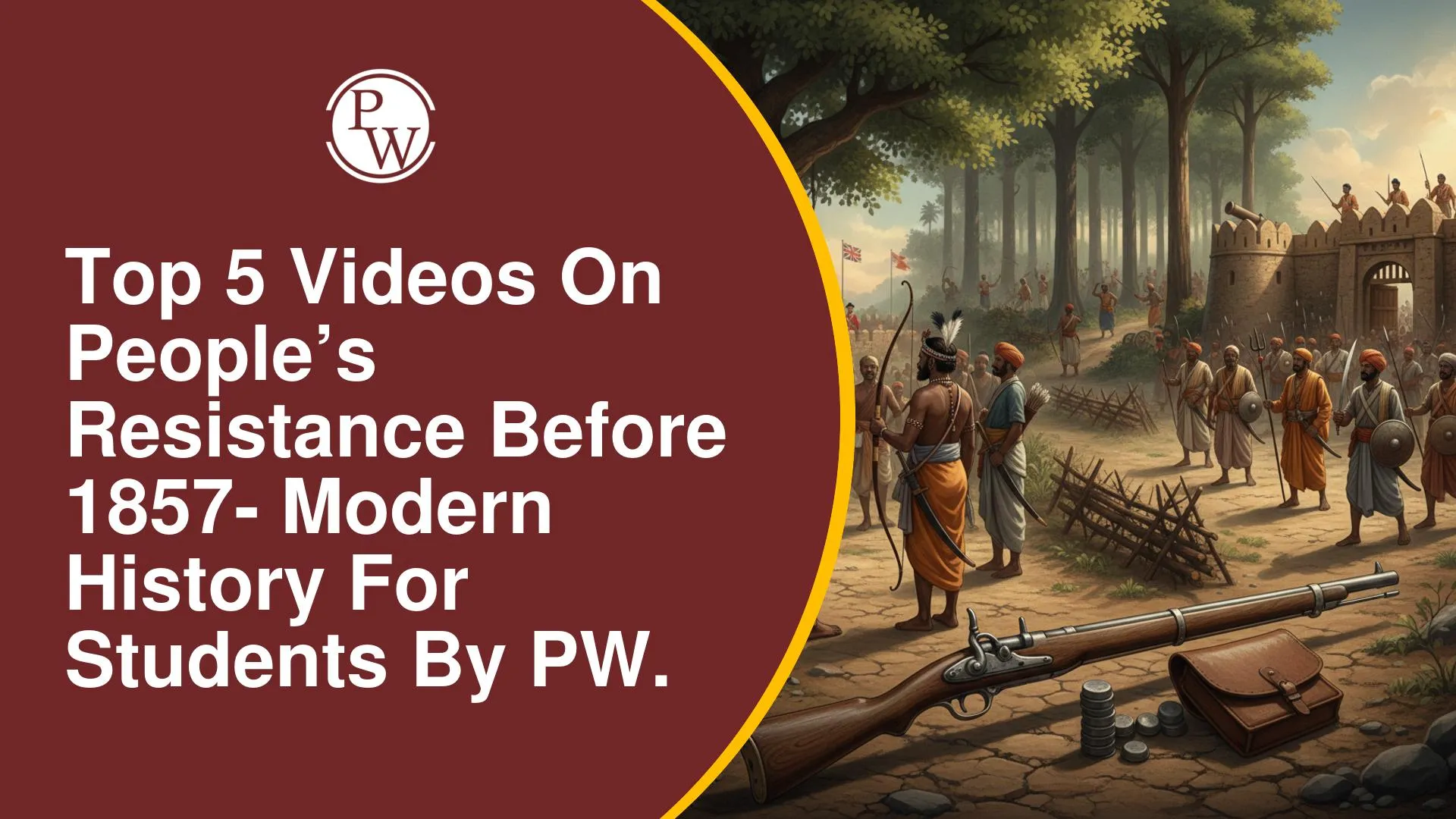
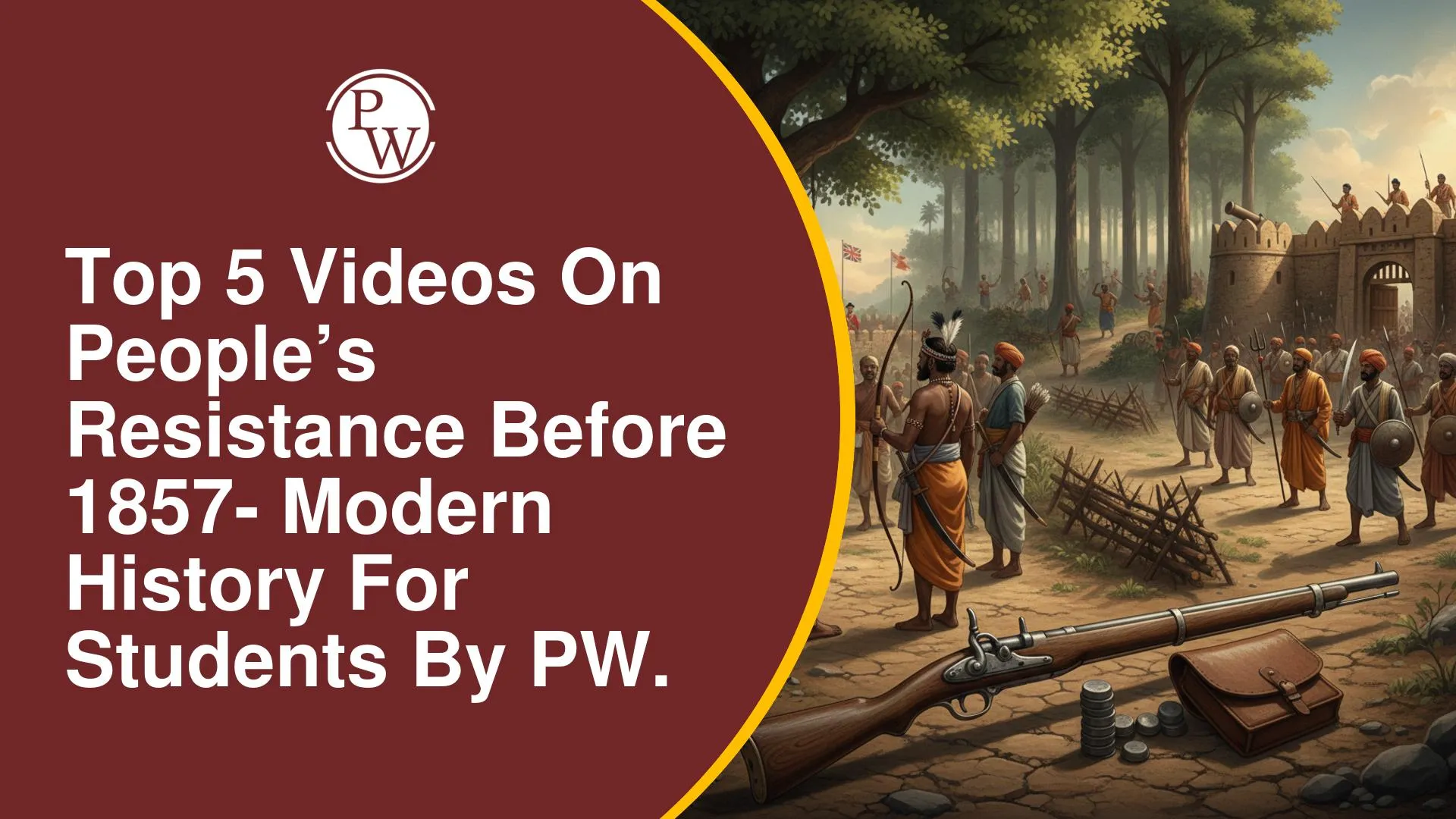
People’s Resistance Before 1857 covers numerous uprisings across different regions, each shaped by its own political, economic, social, and administrative circumstances. Remembering the Sanyasi Revolt, Paika Rebellion, Santhal Rebellion, and other movements can become difficult when you also need to distinguish their participants, causes, and significance. Understanding how these earlier struggles relate to the Revolt of 1857 adds another important dimension to Modern History preparation.
Physics Wallah offers YouTube lessons on People’s Resistance Before 1857, covering major revolts, civil uprisings, their causes, and the events leading up to the Revolt of 1857. Whether you want to revise the full chapter, understand key resistance movements, or learn about the background of 1857, these videos can help you prepare for this topic for UPSC Modern History.
Video 1: Master People’s Resistance Before 1857 with Complete Spectrum Chapter Coverage
This full-chapter lesson explains the meaning, origin, nature, causes, and common features of People’s Resistance Before 1857. It covers the Sanyasi Revolt, Midnapore and Dhalbhum resistance, Moamaria Revolt, Poligar Revolt, Paika Rebellion, Ahom Revolt, Wahabi and Kuka movements, tribal revolts, and the Sepoy Mutiny. By bringing these movements together, the lesson helps you study the different forms of resistance within a wider account of opposition to British rule.
Choose this video if you want to study the chapter in detail or revise its major movements in one session. The broad coverage gives you several examples to revisit while comparing the causes, regions, participants, and characteristics of early resistance movements.
Video 2: Understand Major Resistance Movements and Their Connection to the 1857 Revolt
This lesson introduces the different forms of People’s Resistance Before 1857 and examines how various groups challenged British authority. It discusses major revolts and important leaders, including the Paika Rebellion and the Santhal Rebellion. The lesson also connects these earlier struggles with the background of the 1857 Revolt, helping you place individual movements within the longer history of resistance to British rule.
If you are beginning this chapter, use the lesson to build your understanding of the major movements before moving to more detailed revision. Its focus on resistance and the roots of 1857 helps you connect earlier uprisings with the broader development of opposition in colonial India.
Video 3: Strengthen Modern History Revision Through Connected Uprisings and Key Leaders
This lesson continues the discussion of People’s Resistance Before 1857 through popular movements, major revolts, and influential leaders. It revisits examples such as the Paika Rebellion and Santhal Rebellion while placing them within the wider growth of opposition to British rule. The connected treatment of these movements helps you revisit the chapter’s central themes rather than remember each uprising in isolation.
Use this video when you need to consolidate your understanding of the topic after studying its main concepts. Revisiting the major movements and their place in the history of resistance can help you organise your notes and strengthen recall during UPSC Modern History revision.
Video 4: Distinguish Civil Uprisings Through Their Causes, Participants, and Regional Context
This focused lesson explains the meaning of civil uprisings and distinguishes them from peasant, tribal, and sepoy revolts. It discusses the roles of displaced rulers, zamindars, nayakas, poligars, militia leaders, religious figures, and local supporters. The lesson also examines causes such as political control, revenue pressure, territorial expansion, loss of patronage, administrative changes, social tensions, and fears of religious change, with timelines and geographical context.
Choose this lesson if you need to understand how civil uprisings differed from other forms of resistance. Its focus on participants, causes, timelines, and geography helps you organise the topic by category and revisit the factors behind early opposition to British rule.
Also Check: Modern History Last 30 Years PYQs for UPSC Exams
Video 5: Trace the Background of the 1857 Revolt Through Earlier Popular Resistance
This lesson examines People’s Resistance Before 1857 as the background to the Revolt of 1857. It surveys popular resistance movements and uprisings across India, highlighting their place in the wider history of opposition to British rule. The broad Modern History perspective helps you connect earlier local struggles with the conditions that preceded the later revolt.
Use this video when you want a quick overview of the chapter or need to revisit its central theme during revision. By focusing on the relationship between British rule, popular resistance, and the background of 1857, the lesson helps you place the revolt within a longer history of opposition.
From complete chapter coverage to focused explanations of civil uprisings and the background of 1857, these PW videos offer different ways to study People’s Resistance Before 1857. Use them to revise key revolts, their causes, and the groups involved, while referring to your UPSC Modern History syllabus to keep your preparation aligned with the topics you need to cover. Revisiting these lessons alongside your notes and previous years’ questions can help you connect early resistance movements with the Revolt of 1857.





 Live & recorded classes available at easeDashboard for progress trackingLakhs of practice questions



