








Top 5 Videos on Post-Mauryan Period – Ancient History For UPSC Preparation By PW

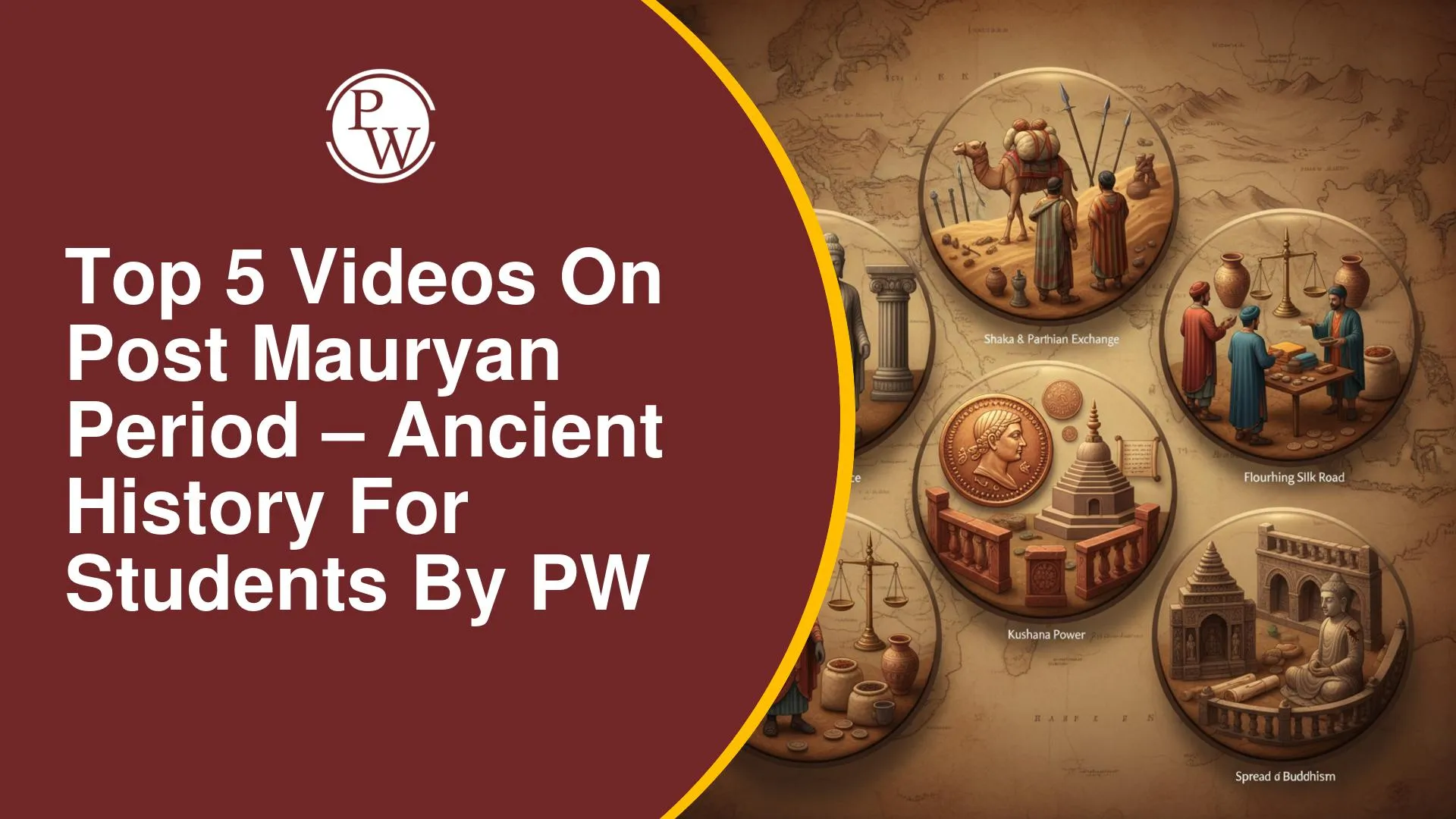
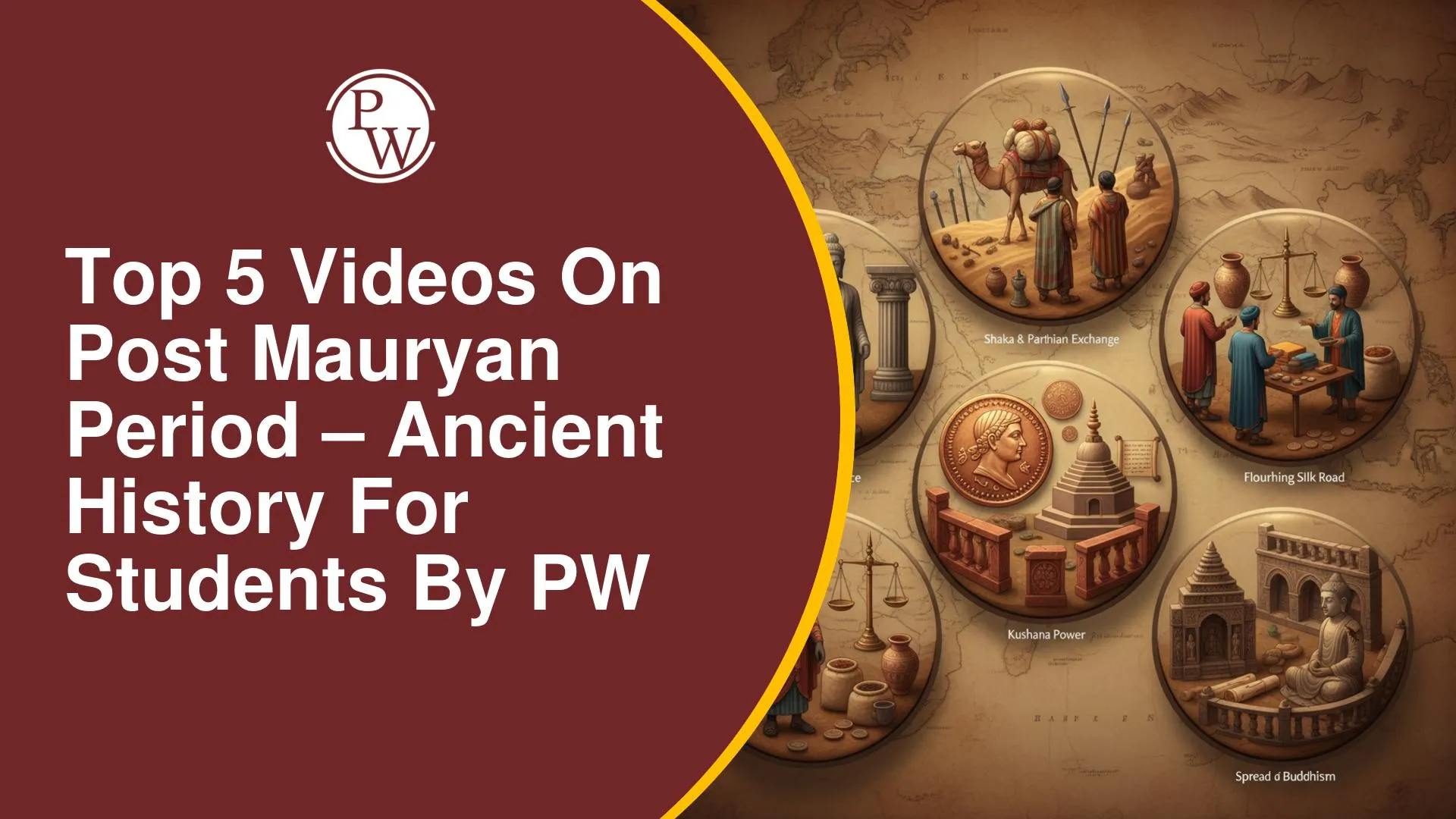
The Post-Mauryan Period can be confusing because several dynasties ruled different parts of India during this time. Students may find it difficult to remember the Indo-Greeks, Shakas, Parthians, Kushanas, Shungas, Kanvas, and Satavahanas. Understanding their rulers, sources, trade, religion, administration, and contributions to art can make revision challenging.
PW videos make this topic easier to study by covering important dynasties, historical timelines, maps, trade, culture, and art. You can first build a clear understanding of the main events and then revise important facts and practise UPSC-style questions. These videos can help you organise your notes and prepare for Ancient History more effectively.
Video 1: Post Mauryan Period Timeline and Dynasty-Based Learning
This video explains the period after the Mauryan Empire with the help of timelines and maps. It covers major dynasties, including the Indo-Greeks, Shakas, Parthians, Kushanas, and Satavahanas. You will also learn about Menander, Rudradaman I, trade, economy, historical sources, and cultural changes. The video also explains Gandhara and Mathura art, which are important topics for UPSC preparation.
Use this lesson when you need a connected overview before detailed study. It improves your ability to place dynasties, rulers, regions, and cultural developments in the correct historical sequence.
Video 2: Satavahanas and Sangam Age Full Chapter Revision from R.S. Sharma
Based on Chapter 19 of R.S. Sharma’s Ancient History text, this lesson explains political changes after the Mauryan decline. It studies the rise, development, and decline of the Satavahanas, along with their place in the wider period. The Sangam Age receives separate attention through its society, culture, and historical importance for UPSC.
This chapter lesson suits students beginning the topic or revising it from a standard text. It strengthens links between political developments, Satavahana history, and Sangam culture.
Video 3: Post Mauryan Period One-Shot: Concepts, Art And Previous-Year Questions
This video explains what happened after the decline of the Mauryan Empire. It covers major dynasties such as the Indo-Greeks, Shakas, Parthians, Kushanas, Shungas, Kanvas, and Satavahanas. You will also learn about trade, the economy, administration, religion, literature, and Gandhara and Mathura art. The video includes previous-year questions to help you revise important topics for UPSC exams.
Choose this video for final revision after studying the basics. The closing question practice supports faster recall, better elimination, and improved accuracy in the UPSC examination.
Video 4: Post Mauryan Period: Dynasty-Wise Revision For Prelims And Mains
The lesson presents the political fragmentation that followed the Mauryan Empire and examines the Shunga, Kanva, Satavahana, Saka, and Kushana dynasties. It also discusses social and economic changes, along with cultural developments across the period. The structure supports a broad Ancient History review for both UPSC Preliminary and Main examination needs.
Students who mix up dynastic sequences can use this lesson for organised revision. It supports comparison, short-note preparation, and clearer recall of political, social, economic, and cultural themes.
Video 5: Post Mauryan Art And Architecture: NCERT-Based Visual Revision
Using the Class 11 NCERT chapter, this video explains artistic and architectural changes after the Mauryan decline. It examines regional styles and the contributions of the Shungas, Satavahanas, and Kushanas. The lesson connects these developments with wider cultural influences and gives students a useful foundation for Ancient History and UPSC Art and Culture preparation.
Watch it when revising monuments, artistic styles, and dynasty-based contributions. It improves visual recall and helps you frame clear answers on Post-Mauryan art and architecture.
-
Watch Now - Post-Mauryan Trends In Indian Art And Architecture | Class 11th NCERT - Chapter 4 | UPSC Preparation
Together, these five PW videos cover the Post Mauryan Period through timelines, major dynasties, historical sources, trade, society, religion, art, and architecture. Each video offers a different way to study the topic, from understanding political changes and reading NCERT chapters to revising important facts and practising previous-year questions. You can choose the lessons based on your preparation level and revision needs.
For better preparation, make short notes on important rulers, dynasties, inscriptions, trade routes, and artistic developments while watching the videos. Revise these notes regularly and practise relevant UPSC questions to strengthen your understanding of Ancient History and improve your ability to recall key facts during the examination.





 Live & recorded classes available at easeDashboard for progress trackingLakhs of practice questions



