








Top 5 Videos on Natural Vegetation for Indian Physical Geography by PW

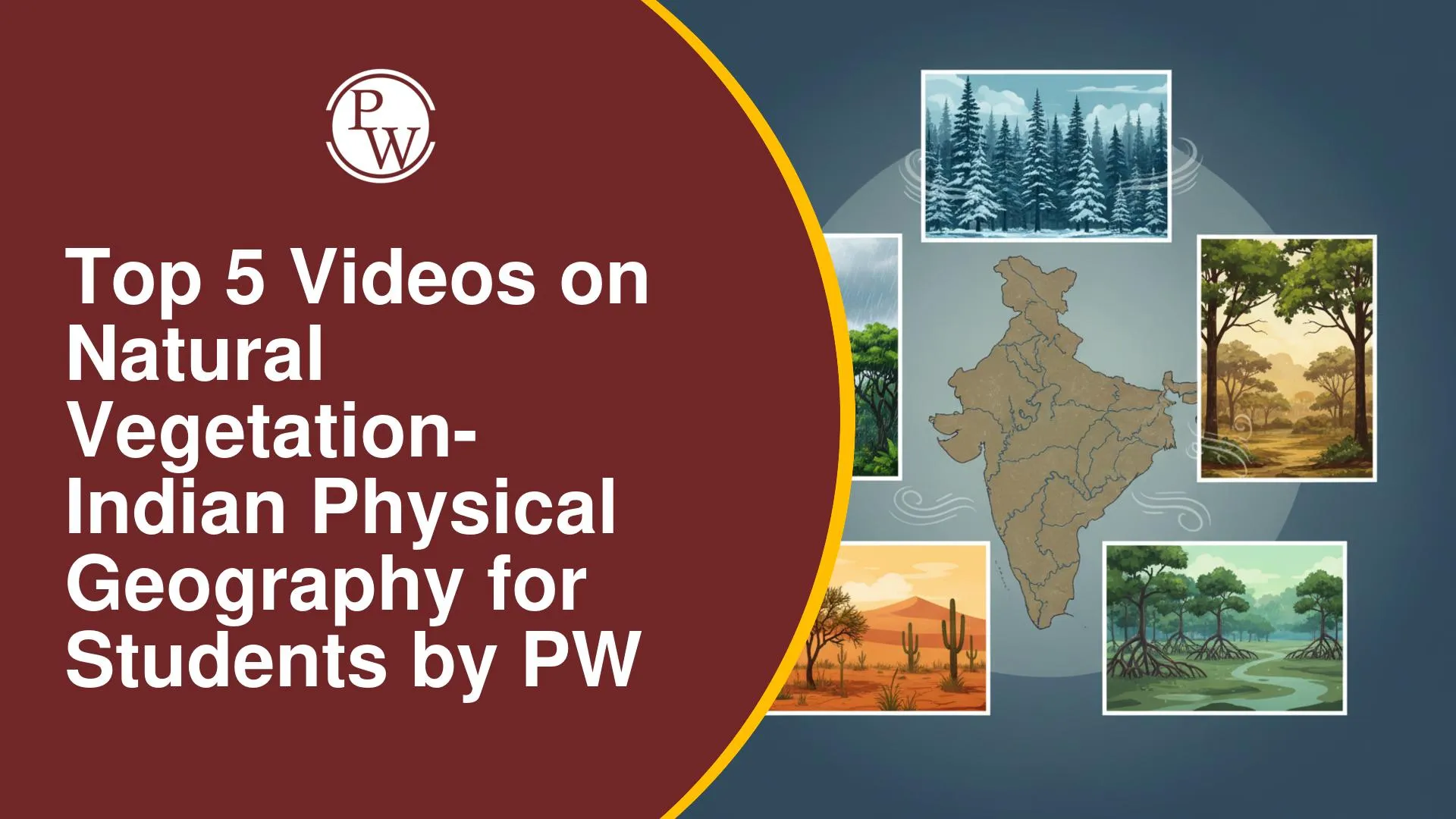
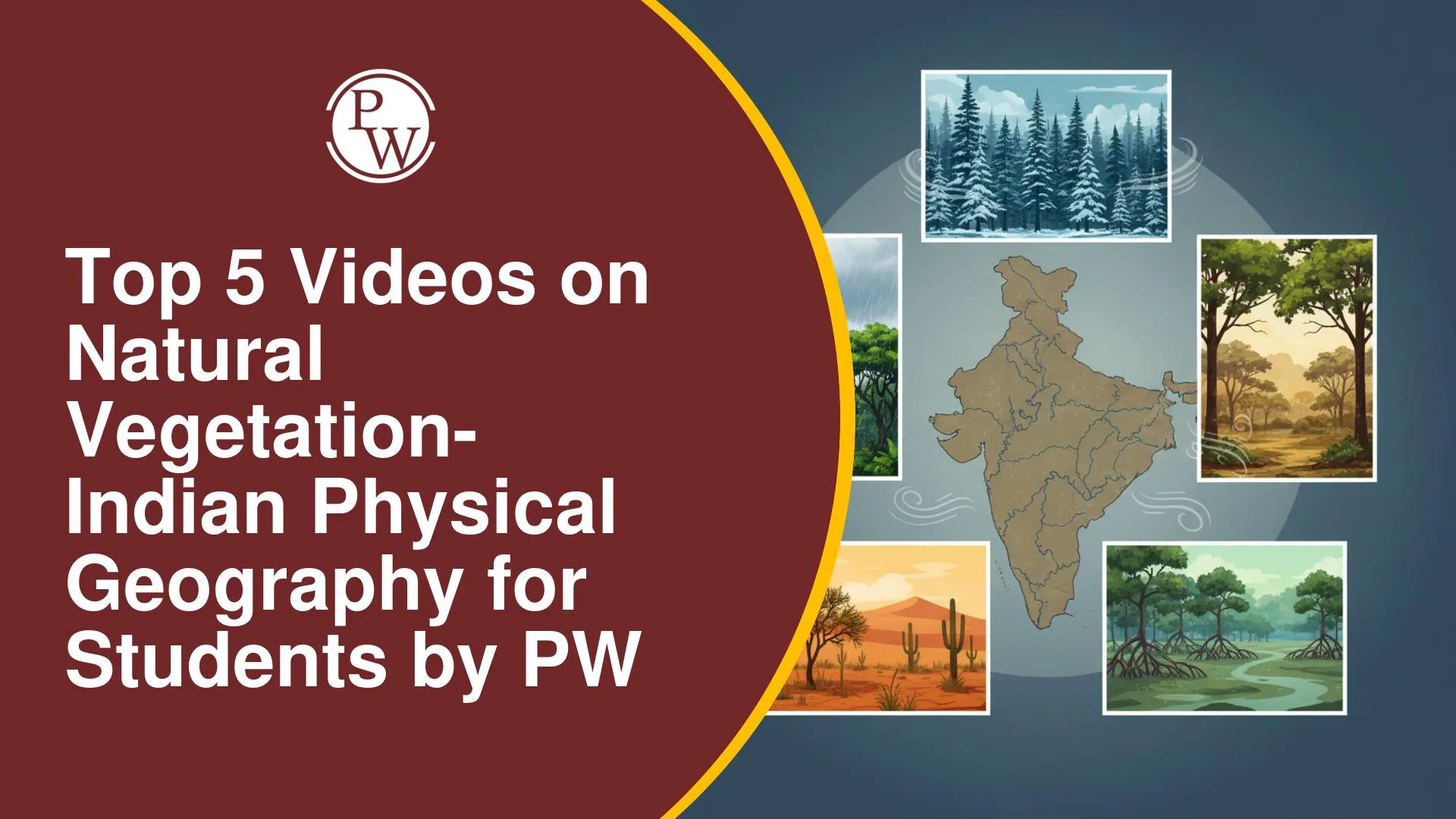
Natural Vegetation is an important topic in Indian Physical Geography. You need to understand different forest types, where they are found and how rainfall, temperature, soil and relief affect their growth. It is also easy to mix up tropical evergreen, deciduous, thorn, montane and mangrove forests when revising their features and distribution.
The following videos from PW's UPSC Wallah explain Natural Vegetation through NCERT chapters, forest classifications and examples from different parts of India. Whether you are studying the topic for the first time or revising before an exam, these lessons can help you understand the differences between vegetation types and remember important facts.
Video 1: Cover Major Forest Types and Conservation Measures
This lecture covers the main types of natural vegetation found in India, including tropical evergreen, semi-evergreen, tropical deciduous, thorn, montane, littoral and swamp forests. It also discusses medicinal plants, forest conservation, social forestry, wildlife conservation and the different zones of a biosphere reserve.
The wide coverage makes this video useful when you want to revise several parts of the chapter in one session. While watching, note the rainfall conditions, locations and characteristics associated with each forest type. These comparisons can help you answer factual questions and understand why different kinds of vegetation grow in different parts of India.
You can also revise this topic alongside the UPSC Physical Geography syllabus and previous year questions to identify concepts that need more practice.
Video 2: Build Your Basics with Class 6 to 12 NCERT Concepts
This lesson brings together Natural Vegetation topics covered across different NCERT levels. It explains how climate, soil, relief, rainfall and water availability affect vegetation in India. The discussion also includes forest classification, montane and swamp forests, forest cover, social forestry, wildlife conservation, species extinction and biosphere reserves.
If you find the chapter difficult because several concepts overlap, this video can help you connect them. Understanding the physical conditions behind vegetation patterns is more useful than simply memorising forest names.
Use the lesson to revise school-level concepts before moving to advanced geography topics. It can also help you prepare concise notes on forest types, their distribution and conservation measures for quick revision.
Video 3: Revise Class 11 Geography Chapter 5 in Detail
Class 11 Geography Chapter 5 explains the distribution and characteristics of India's natural vegetation. This lesson covers tropical evergreen, transitional, monsoon, dry thorn, xerophytic, mangrove and montane vegetation. It also discusses coniferous forests, alpine meadows, tundra vegetation and differences between the Western and Eastern Himalayas.
The video is useful for students studying the chapter directly from NCERT. Pay attention to how altitude and climatic conditions influence vegetation in mountainous areas, as these details help explain why forest types change from one region to another.
After watching, make a comparison table covering the main forest types, their climatic requirements and locations. This will make it easier to revise the chapter before school examinations or UPSC preparation.
Video 4: Understand Natural Vegetation with a Basic Introduction
This Part 1 lesson introduces major vegetation types, including tropical rainforests, deciduous forests, thorny bushes and mountain vegetation. It explains how rainfall, climate, soil and relief influence their distribution and why natural vegetation matters for the environment and the economy.
Start with this video if you are new to Class 11 Geography Chapter 5 or need to revisit the basics. Focus on understanding the relationship between physical conditions and plant growth before learning the detailed classification of forests.
Once you have covered these concepts, move on to the full-chapter lesson to revise regional examples and additional vegetation types.
Video 5: Revise India's Vegetation Types in Hindi
This lesson by Naveen Tanwar Sir explains India's tropical evergreen, deciduous, thorn, mangrove and alpine vegetation in Hindi. It focuses on the basic features of major forest types and their relevance to UPSC Prelims and General Studies Paper 1.
Hindi-medium students can use this video to understand the chapter in familiar language and revise important differences between vegetation types. It is also useful for beginners who want to build their geography basics before moving to detailed NCERT explanations.
As you watch, note the regions where each vegetation type is found and the conditions that support its growth. Revising these points together can make factual questions easier to attempt.
How to Prepare Natural Vegetation for Geography Exams
Watching videos can help you understand the chapter, but regular revision and question practice are equally important. Follow these steps to make your preparation more effective:
-
Read the NCERT chapter: Start with the prescribed textbook and note the main vegetation types.
-
Compare forest types: Make a table of their climate, rainfall, distribution and important features.
-
Revise regional examples: Pay attention to vegetation in the Himalayas, coastal regions, dry areas and the Western Ghats.
-
Study conservation topics: Revise social forestry, wildlife conservation and biosphere reserves.
-
Practise previous year questions: Use UPSC Physical Geography PYQs to test your understanding and identify topics that need further revision.
These five PW videos cover Natural Vegetation through introductory lessons, detailed NCERT explanations, forest classifications and Hindi revision. Start with the video that matches your current preparation level, then revise the main vegetation types and their distribution. Combine video lessons with NCERT reading, short notes and previous year questions to strengthen your understanding of Indian Physical Geography.





 Live & recorded classes available at easeDashboard for progress trackingLakhs of practice questions



