








Top Videos on Peasant Movements 1857–1947 in Modern History for UPSC Preparation by PW

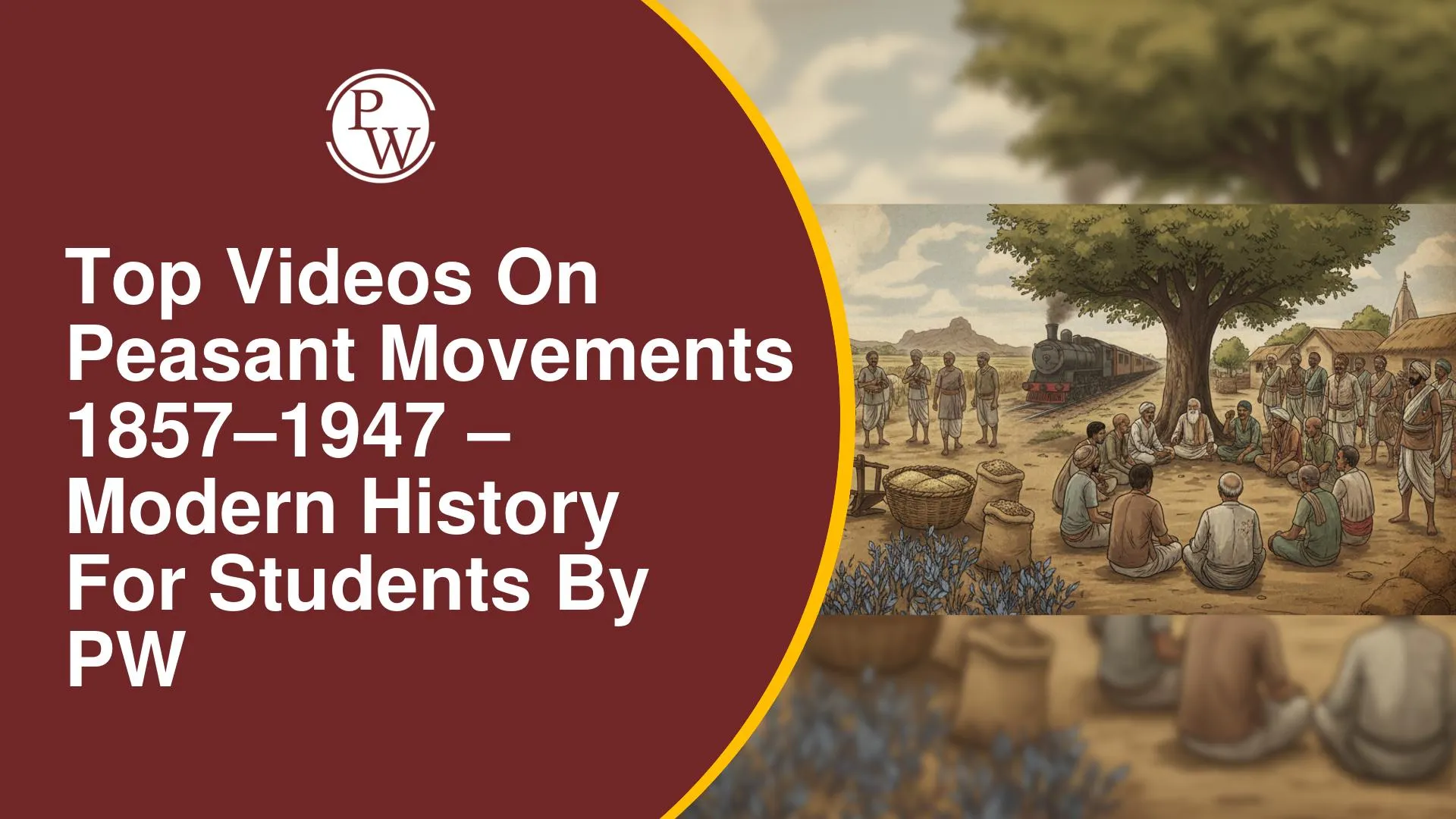
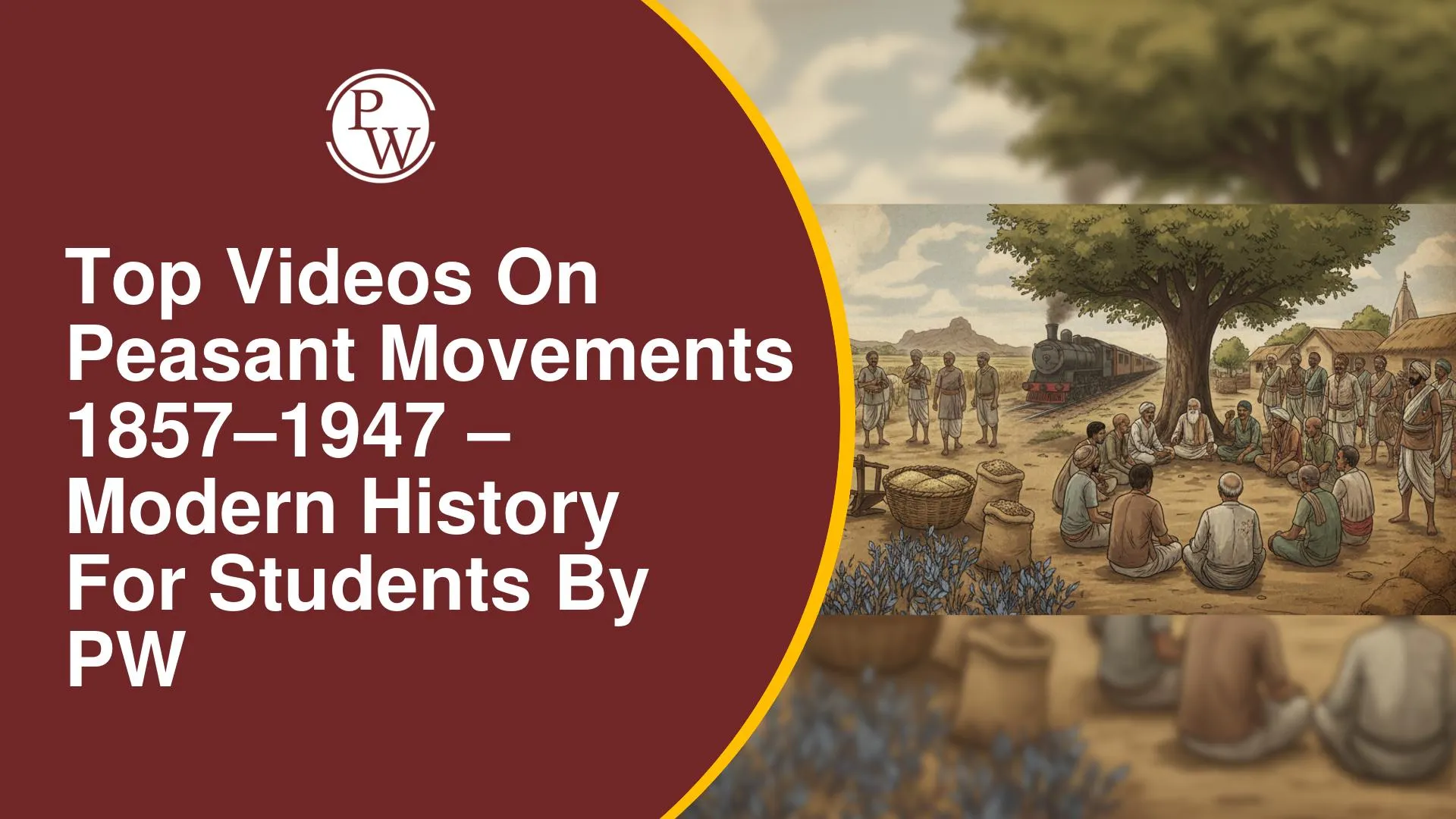
Physics Wallah’s YouTube videos on Peasant Movements 1857–1947 help you revise colonial policies, peasant resistance, major leaders and regional protests. The lessons cover important events, their causes and outcomes, and their connection with India’s freedom struggle. You can use them for chapter revision, movement-wise comparisons and quick recall while preparing Modern History for UPSC.
PW videos help you connect colonial policies with the protests they triggered. You can start with a broad overview, move to a full-chapter explanation and use shorter recaps for revision. For a wider understanding of the period, you can also refer to Modern Indian History revision for UPSC.
Video 1: Build a Timeline of Tribal and Peasant Resistance with a Complete Overview
This video introduces civil rebellions and tribal and peasant resistance under British rule. You will cover the Khurda Uprising, Poligar Revolts, Santhal Rebellion, Khond Uprising, Munda Uprising and Indigo Revolt, along with their causes, leaders and effects. The lesson also connects these events with the wider national movement and refers to Spectrum and NCERT.
Watch this video first to build a broad understanding of resistance against colonial rule. It can help you group movements by region, recall their main causes and identify their significance before attempting objective questions.
Video 2: Understand the Full Chapter Through a Movement-Wise Explanation
This full-chapter video explains the condition of Indian peasants under colonial rule and traces early protests, developments after 1857 and movements across different provinces. You will also revise the limitations of these movements and their overall contribution to the freedom struggle.
Use this lesson when studying the topic for the first time or revisiting it in detail. Its coverage of different phases and regions can help you connect individual protests with wider historical developments. After watching, compare your notes with the UPSC Prelims History syllabus to keep your revision aligned with the examination requirements.
Video 3: Revise Major Peasant Movements in One Video for UPSC Prelims
This one-video recap groups peasant movements into different periods, including the phase before 1857, the period before Gandhi’s central role and the Gandhian period. It covers peasant grievances, moneylender exploitation, revenue policies, pressure on agriculture and the decline of handicrafts.
You will also revise the Indigo, Pabna, Champaran and Kheda movements, along with Kisan Sabhas, their aims, leaders and regions. Watch this recap when you need to revise several movements in less time. Comparing their features can help you recall important differences and practise eliminating incorrect options in objective questions.
Video 4: Connect Colonial Agrarian Policies with the Indigo Revolt
This full-chapter lesson explains Permanent Settlement, Mahalwari and Ryotwari systems, commercial crop cultivation, high revenue demands, illegal taxes, eviction and moneylender debt. It also covers forced labour, famine, the decline of handicrafts and the Indigo Movement, including forced cultivation and low purchase prices.
The lesson uses book-aligned explanations and includes answer-writing guidance. Watch it to understand how colonial policies affected peasants and led to resistance. As you revise, make short notes linking each policy to the grievances it created. You can then use the UPSC Prelims study material to support revision of related History topics.
After watching the videos, revise the causes, leaders, regions and outcomes of the major movements. Use the UPSC Prelims previous year question papers to practise questions and understand how historical topics are tested. You can also consult the UPSC Prelims notes to reinforce key facts and identify topics that need further revision.
These four PW videos help you study Peasant Movements 1857–1947 through a broad overview, full-chapter explanations, quick revision and an analysis of colonial agrarian policies. Choose the lesson that matches your preparation stage, note the differences between major movements and revisit difficult topics before practising questions. Regular revision alongside UPSC Prelims PYQs can help you strengthen recall and prepare more effectively for Modern History questions.





 Live & recorded classes available at easeDashboard for progress trackingLakhs of practice questions



