







UPSC Interview Members 2027:UPSC Interview Board, Panel Structure, Chairperson Role, and Personality Test Evaluation
 Avisha Das2 Jun, 2026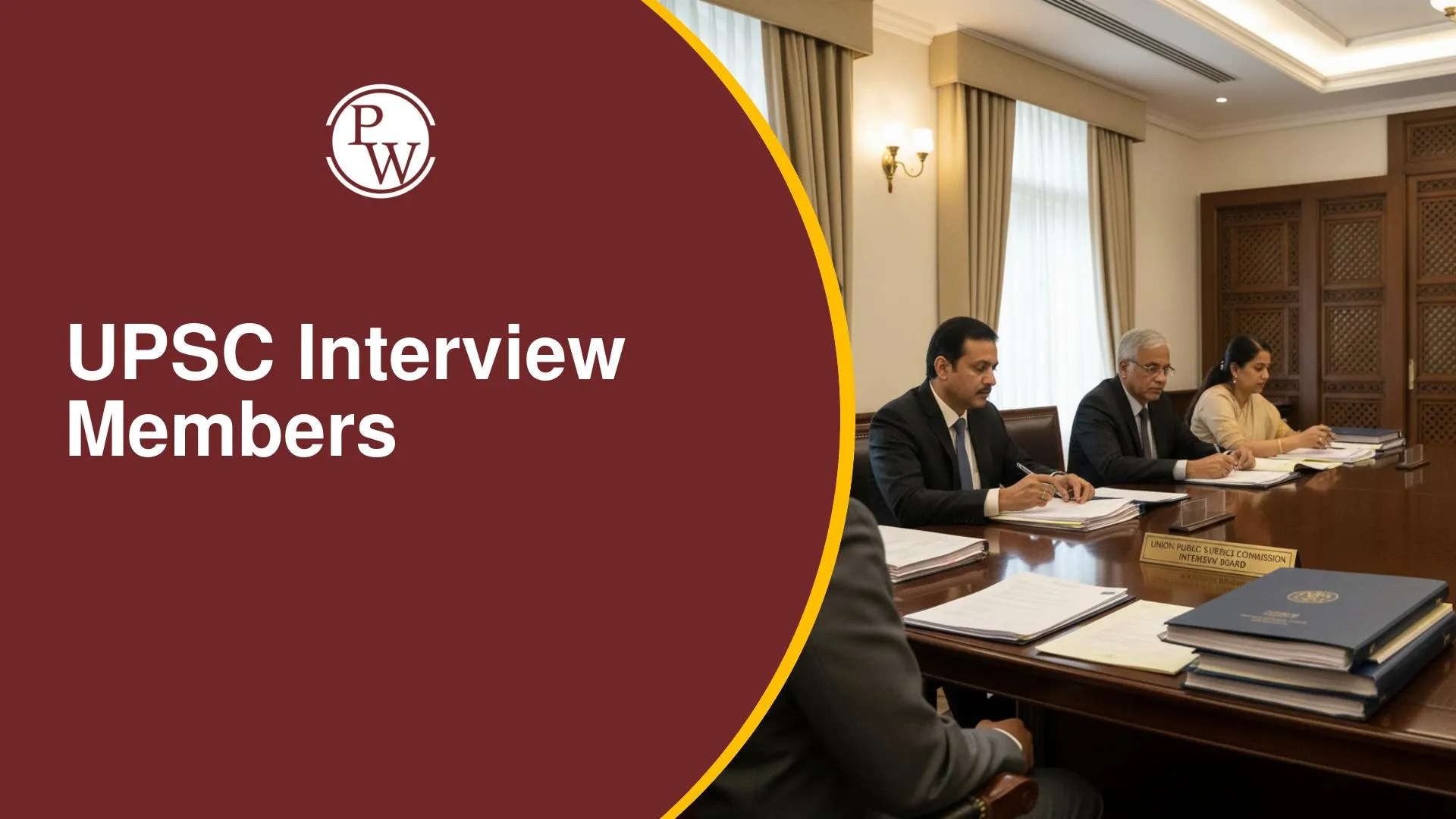
The UPSC Personality Test is the final stage of the Civil Services Examination and carries significant importance in the final merit ranking. Unlike the written stages, the Interview is designed to assess qualities that cannot be measured through descriptive papers alone, such as decision-making ability, emotional balance, administrative aptitude, ethical judgement, and communication skills.
The interview panel assesses not only your knowledge but also your personality, communication skills, judgment, and overall suitability for a career in public service. Understanding the role, composition, and evaluation criteria of UPSC Interview Members 2027 can help you approach the Personality Test with greater confidence and clarity. Physics Wallah helps aspirants prepare through mock interviews, DAF analysis, personality enhancement sessions, and expert mentorship.
Who Are UPSC Interview Members?
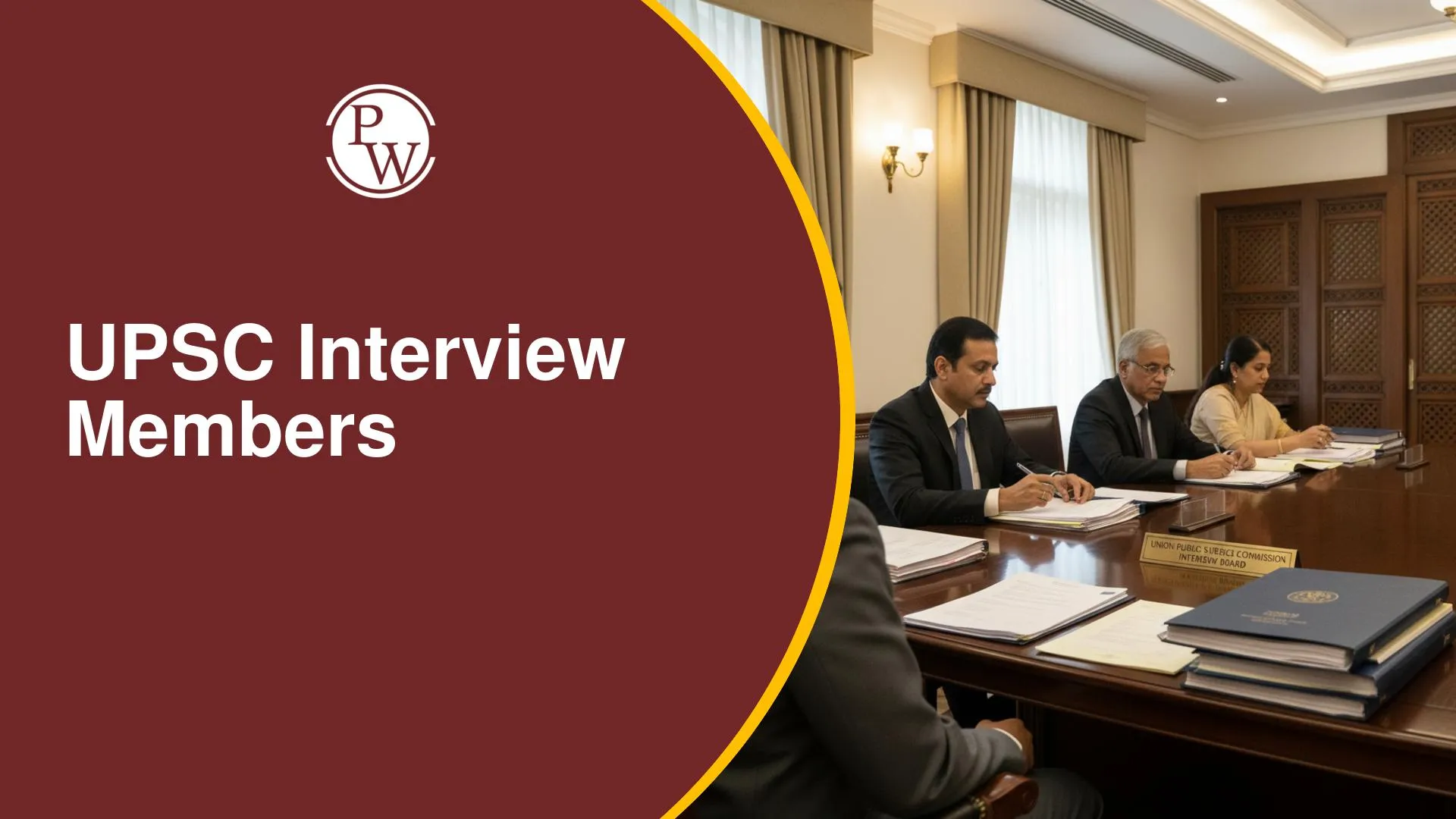
UPSC Interview Members are senior officials and distinguished professionals appointed to conduct the Personality Test stage of the Civil Services Examination. These members are selected from diverse backgrounds to ensure a balanced and unbiased evaluation of candidates.
The interview boards generally include experienced administrators, retired civil servants, diplomats, defence officers, academicians, and subject experts. Every board is chaired by a UPSC member or senior official appointed by the Commission.
-
Administrative Experience: Many members are retired IAS, IPS, IFS, IRS, or defence officers with extensive governance experience.
-
Diverse Professional Backgrounds: Experts from academia, diplomacy, public administration, and other sectors may also be included.
-
Balanced Evaluation Approach: The panel evaluates personality traits, administrative aptitude, ethics, and communication instead of rote knowledge alone.
-
Independent Assessment: Multiple members assess candidates collectively to maintain fairness and objectivity in the Personality Test process.
Current UPSC Commission Members
The Union Public Service Commission consists of a Chairperson and multiple members appointed by the President of India. These members may also chair various interview boards during the UPSC Personality Test process.
|
Name |
Background |
Position |
|
Dr. Ajay Kumar |
IAS (Retd.) |
Chairman |
|
Lt. Gen. Raj Shukla (Retd.) |
Indian Army |
Member |
|
Suman Sharma |
IRS |
Member |
|
Bidyut Behari Swain |
IAS |
Member |
|
Sanjay Verma |
IFS |
Member |
|
Dr. Dinesh Dasa |
Academician |
Member |
|
Sheel Vardhan Singh |
IPS |
Member |
|
Sujata Chaturvedi |
IAS |
Member |
|
Anuradha Prasad |
Senior Civil Servant |
Member |
For official updates related to UPSC members and Interview notices, refer to the official UPSC website: upsc.gov.in.
Composition of UPSC Interview Board
The UPSC Personality Test is conducted through multiple interview boards formed by the Commission. Each board generally consists of one Chairperson and several members from different professional fields.
The diversity of the panel helps ensure that candidates are evaluated from administrative, ethical, intellectual, and behavioural perspectives instead of purely academic viewpoints.
|
Position |
Role in Interview Process |
|
Chairperson |
Leads the Interview board and overall interaction |
|
UPSC Members |
Assess personality and adinistrative suitability |
|
Retired Bureaucrats |
Evaluate governance understanding and judgement |
|
Subject Experts |
Assess conceptual and analytical clarity |
|
Defence/Professional Experts |
Bring multidisciplinary perspectives during evaluation |
The board interaction is usually conversational and designed to understand the candidate’s overall suitability for public service.
What Do UPSC Interview Members Evaluate?
The UPSC Interview is officially called the Personality Test because the board mainly evaluates personality attributes required in public administration. The objective is not to test specialised academic knowledge but to assess judgement, awareness, and administrative temperament.
Major Areas Evaluated During the Interview:
-
Communication Skills: Clarity, confidence, articulation, and listening ability during discussions.
-
Decision-Making Ability: Practical and balanced responses to governance and situational questions.
-
Ethical Judgement: Integrity, neutrality, empathy, and administrative ethics.
-
Awareness and Analytical Ability: Understanding of current affairs, governance issues, and policy discussions.
-
Leadership and Emotional Balance: Behaviour under pressure, maturity, and calmness during questioning.
-
Personality and Suitability: Overall attitude, honesty, confidence, and public service orientation.
The board often analyses not only the answer itself but also the reasoning process and behavioural approach behind the response.
Types of Questions Asked by UPSC Interview Members
UPSC Interview questions are usually based on your DAF, current affairs, academics, work experience, ethics, and governance-related issues. The board may also ask situational and opinion-based questions to assess reasoning ability.
Common Areas Covered in the Interview:
-
DAF and Personal Background: Questions related to hometown, education, hobbies, achievements, and service preferences.
-
Current Affairs and Governance: National issues, international developments, economy, social issues, and policy matters.
-
Situational Questions: Administrative decision-making during conflicts, disasters, corruption, or public grievances.
-
Academic and Optional Subject Questions: Basic conceptual understanding of graduation and optional subjects.
-
Work Experience Questions: Professional responsibilities, workplace learning, and administrative relevance of previous jobs.
The board may ask follow-up questions repeatedly to evaluate consistency, honesty, and clarity of thought.
UPSC Interview Members FAQs
Who conducts the UPSC Personality Test?
Who is the current UPSC Chairman?
How many members are present in the UPSC Interview board?







Get Free Counselling Today
and Clear up all your Doubts
 Live & recorded classes available at easeDashboard for progress trackingLakhs of practice questions

