UPSC Sindhi Literature Optional Subject Preparation for UPSC 2026
 Avisha Das26 May, 2026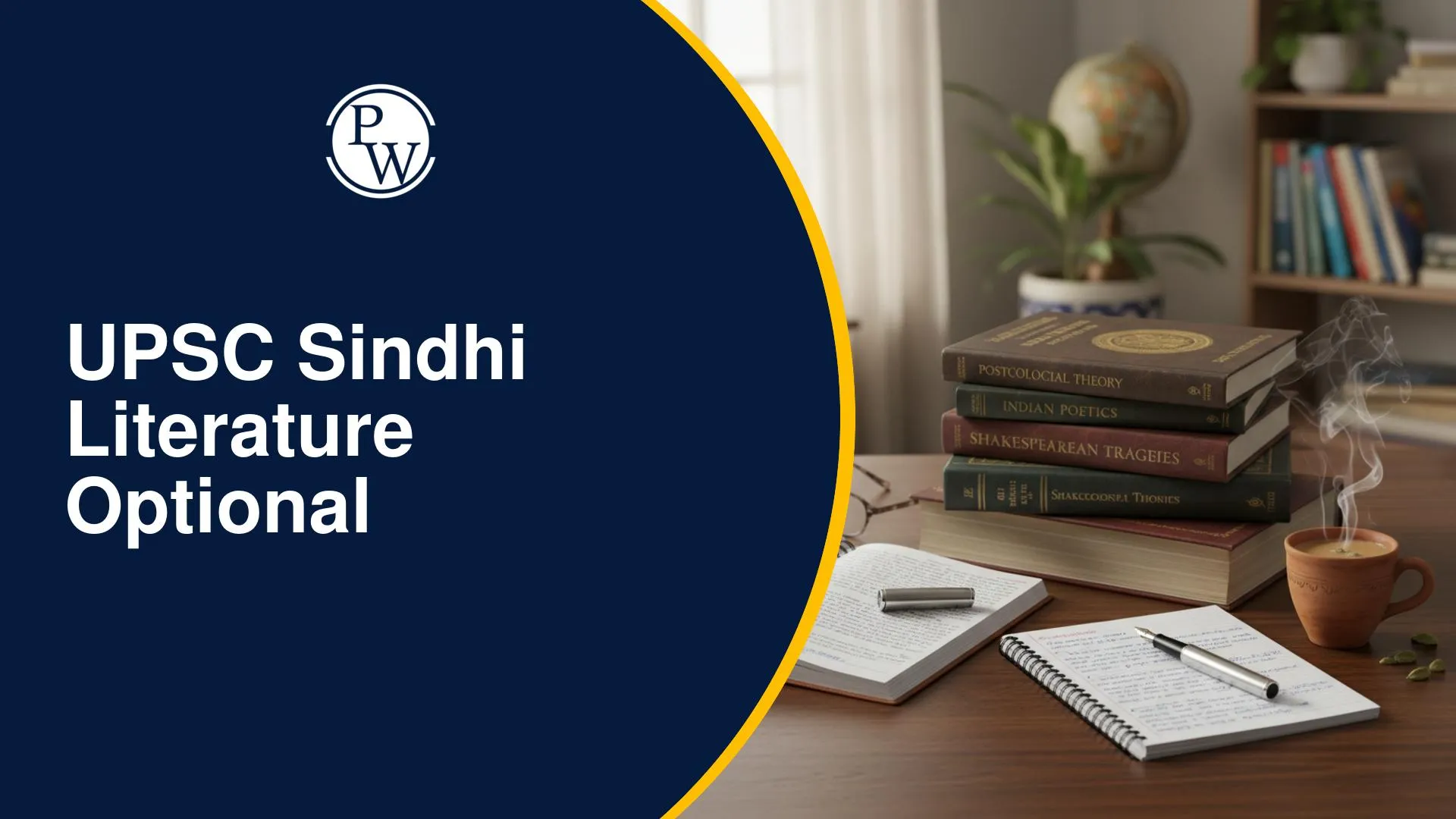
UPSC Sindhi Literature Optional allows you to prepare through language, literature, interpretation, and analytical answer writing. The syllabus includes classical and modern Sindhi literature, poetry, prose, drama, literary criticism, and the history of Sindhi literary development. Preparation for this optional requires regular reading of prescribed texts, understanding literary themes, and practising descriptive answer writing for the Mains. Consistent revision and previous-year question practice can help improve interpretation, presentation, and writing quality during the examination.
UPSC Sindhi Literature Optional Paper Preparation Resources
Preparing for the UPSC Sindhi Literature Optional Paper requires a proper understanding of literary works, poetry, prose, literary criticism, and descriptive answer writing. Below are the important preparation resources for the UPSC Sindhi Literature Optional:
|
Resource |
Details |
|
UPSC Sindhi Literature Syllabus |
View details |
|
UPSC Sindhi Literature Previous Year Questions |
View details |
UPSC Sindhi Literature Optional Paper: Exam Pattern 2026
The UPSC Sindhi Literature Optional subject consists of two descriptive papers in the UPSC Mains examination. Both papers focus on literary understanding, interpretation, literary history, and answer writing based on prescribed texts.
|
Paper |
Subject Description |
Marks |
|
Paper I |
History of Sindhi Literature, Literary Forms, Grammar, and Language |
250 |
|
Paper II |
Prescribed Sindhi Texts, Poetry, Prose, and Literary Interpretation |
250 |
|
Total Optional Marks |
500 |
|
Why Choose the UPSC Sindhi Literature Optional Paper?
UPSC Sindhi Literature Optional can be helpful for candidates interested in literature, language studies, and descriptive answer writing in UPSC Mains.
Useful for Literature-Based Answer Writing
The subject focuses on interpretation, literary explanation, and descriptive writing, which helps improve presentation and analytical writing practice for the Mains.
Important Focus on Prescribed Texts
Preparation mainly revolves around prescribed poetry, prose, drama, literary criticism, and important Sindhi literary works as asked in the syllabus.
Suitable for Language and Literature Preparation
Candidates interested in Sindhi literature, literary studies, and language-based optional subjects may find the syllabus engaging for UPSC preparation.
Good Scope for Answer Presentation
Regular practice in literary interpretation and descriptive writing can help improve answer quality, content organisation, and writing clarity in the examination.
UPSC Sindhi Literature Optional Subject FAQs
How many papers are there in UPSC Sindhi Literature Optional?
What is the total marks weightage of the Sindhi Literature Optional subject?
Is UPSC Sindhi Literature Optional descriptive in nature?
What topics are included in UPSC Sindhi Literature Optional?




 Live & recorded classes available at easeDashboard for progress trackingLakhs of practice questions