World Wetlands Day 2026: Significance, Theme, History & Ramsar Sites
World Wetlands Day 2026 emphasizes the critical role wetlands play in ecological balance, climate mitigation, and cultural heritage. Observed on 2 February, it commemorates the Ramsar Convention and calls for global action to conserve rapidly disappearing wetland ecosystems for future generations.

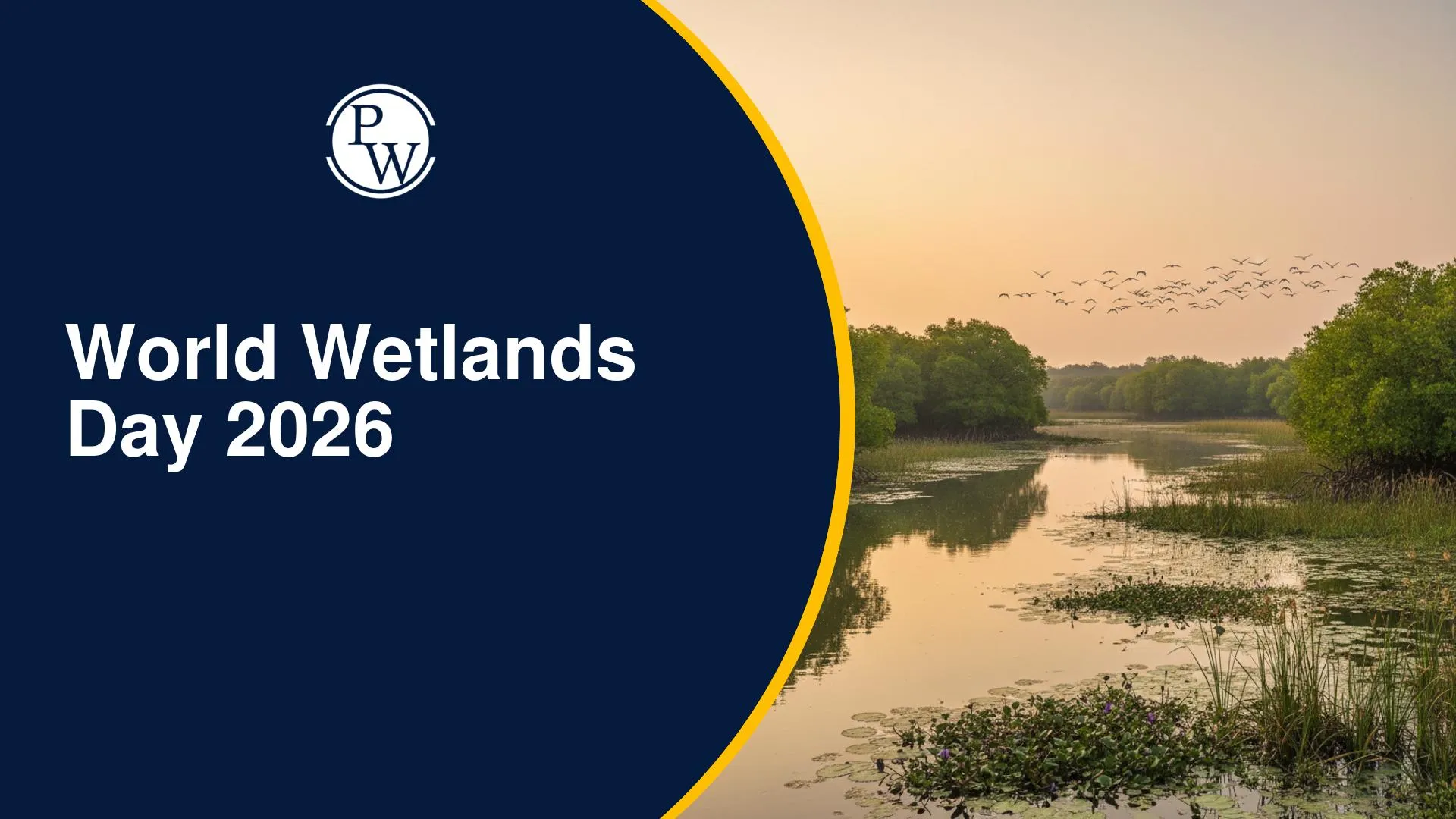
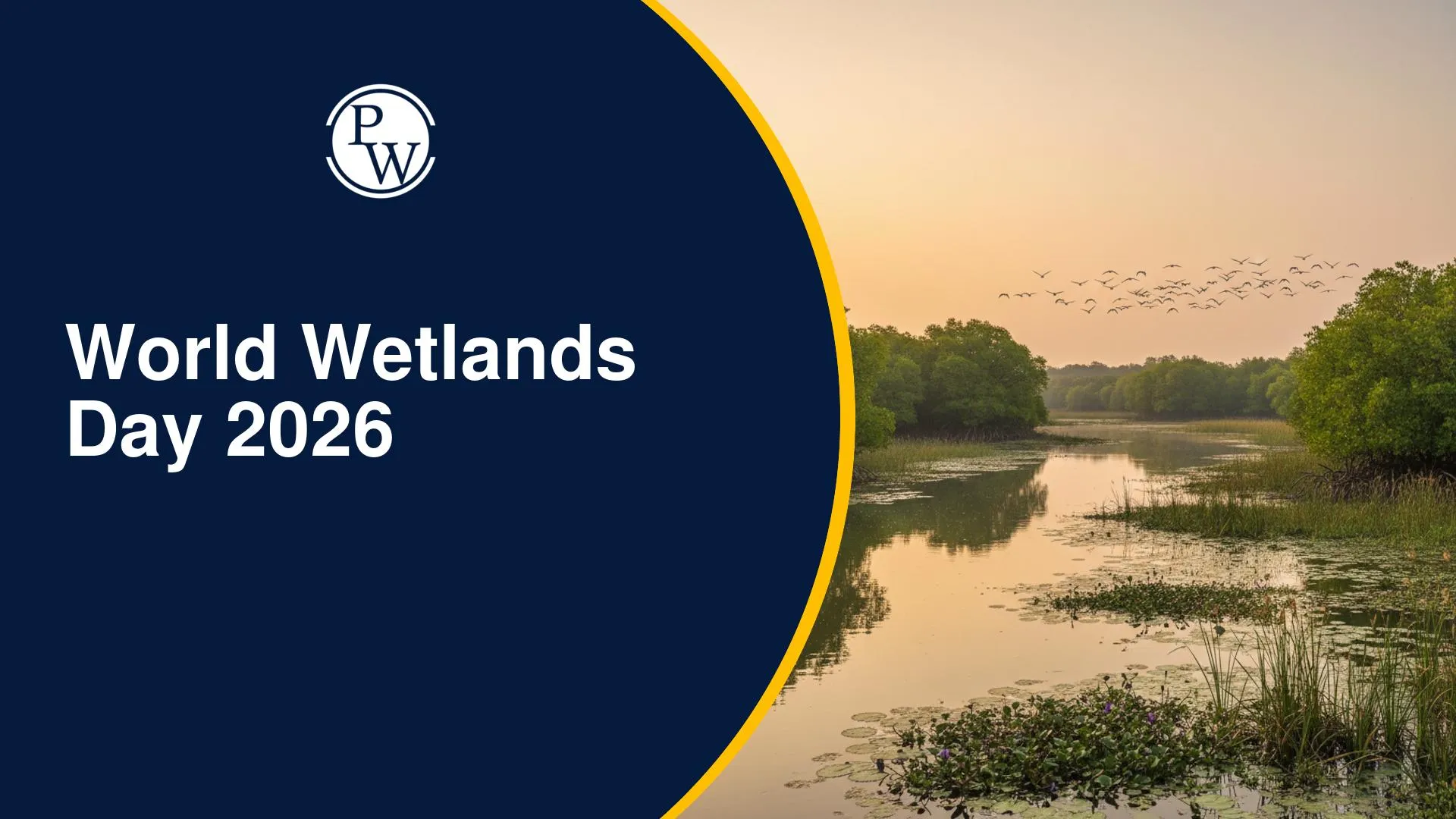
World Wetlands Day 2026, observed on 2 February, highlights the critical importance of wetlands in sustaining life on Earth and maintaining ecological balance. The day draws global attention to wetlands as vital ecosystems that support biodiversity, regulate water resources, mitigate climate change, and protect communities from natural disasters.
By commemorating the signing of the Ramsar Convention on Wetlands, World Wetlands Day 2026 encourages governments, organizations, and individuals to recognize the value of wetlands and take collective action to conserve and restore them for present and future generations.
World Wetlands Day 2026
World Wet land Day 2026 serves as an important platform to raise awareness and deepen understanding of these unique ecosystems. Wetlands are essential for maintaining ecological balance, supporting rich biodiversity, and promoting human well-being.
Wetlands: Definition and Importance
Wetlands are areas where water is the main factor controlling the environment. They also shape the plant and animal life. This broad definition encompasses many types of ecosystems, ranging from freshwater to marine and coastal areas.
-
Types of Wetlands: Lakes, rivers, underground aquifers, swamps, marshes, wet grasslands, peatlands, oases, estuaries, deltas, tidal flats, mangroves, and coral reefs. Human-made sites like fishponds and reservoirs are also wetlands.
-
Ecological Significance: Wetlands cover only about 6% of Earth's land. Yet, 40% of all plant and animal species live or breed in them. This makes them biodiversity hotspots.
-
Ecosystem Services: They provide essential services. These include water regulation, flood control, and water purification. Wetlands also safeguard coastlines against storms.
-
Human Reliance: Over one billion people rely on wetlands for their livelihoods. This includes food, water supplies, and transportation.
World Wetlands Day History
The World Wetlands Day date 2026 is February 2nd. This date holds historical significance. It commemorates the adoption of the Ramsar Convention. This occurred in the Iranian city of Ramsar in 1971.
-
Origin: The Convention on Wetlands, known as the Ramsar Convention, was signed in 1971.
-
Purpose: The day started to raise public awareness. It highlights the value of wetlands. It also encourages their conservation and wise use.
-
Global Observance: Every year, governments and non-governmental organizations observe the day. They undertake actions to raise awareness. This ensures the future of these critical ecosystems.
World Wetlands Day Significance
World Wetlands Day is observed on 2 February every year to raise awareness about the vital role wetlands play in maintaining ecological balance and supporting human life. It marks the adoption of the Ramsar Convention on Wetlands (1971), an international agreement aimed at conserving and sustainably using wetlands worldwide.
Wetlands are crucial because they support rich biodiversity, providing habitat to numerous plant and animal species; regulate water cycles by storing, purifying, and replenishing freshwater; and reduce the impact of floods, storms, and erosion by acting as natural buffers.
They also help combat climate change by absorbing and storing large amounts of carbon and support livelihoods through agriculture, fisheries, and tourism. World Wetlands Day encourages global action to protect these ecosystems, which are increasingly threatened by pollution, urbanization, and climate change.
World Wetlands Day 2026 Theme
The World Wetlands Day theme 2026 is "Wetlands and traditional knowledge: Celebrating cultural heritage." This theme emphasizes the deep connection. It links wetlands with local communities.
-
Cultural Connection: The theme explores how communities interact with wetlands. It highlights their traditional knowledge and practices. These practices often ensure sustainable wetland use.
-
Heritage Preservation: It focuses on the cultural heritage tied to wetland ecosystems. Valuing this heritage can strengthen conservation efforts.
Ramsar Convention and India
The Ramsar Convention on Wetlands is an international treaty. It promotes the conservation and sustainable use of wetlands. India became a signatory to this convention on February 1, 1982.
-
International Recognition: Wetlands of international importance are designated as Ramsar Sites. These sites serve as models for conservation.
-
Ramsar Sites in India: India demonstrates a strong commitment to wetland protection. Its Ramsar network has significantly grown. From 26 sites in 2014, it reached 98 Ramsar sites in India by early 2026.
-
Recent Additions (2026): Two new wetlands sites in India gained Ramsar status. These are Patna Bird Sanctuary in Uttar Pradesh and the Chhari-Dhand in Gujarat. These sites support diverse migratory and resident bird species.
Threats to Wetlands
Despite their importance, wetlands are highly threatened. They are disappearing three times faster than forests. Since 1970, 35% of the world's wetlands have been lost.
-
Major Threats:
-
Drainage and infilling for agriculture and construction.
-
Pollution from industrial and domestic sources.
-
Overfishing and overexploitation of resources.
-
Introduction of invasive species.
-
Adverse impacts of climate change.
-
Consequences: Wetland loss leads to threatened livelihoods. It deepens poverty in many communities. Changing public perception from "wastelands" to "lifegiving sources" is crucial.
Ready to boost your UPSC preparation? Join PW's UPSC online courses today!
World Wetlands Day 2026 FAQs
When is World Wetlands Day 2026?
What is the theme for World Wetlands Day 2026?
What is the Ramsar Convention?
How many Ramsar sites are in India currently?