Young Bengal Movement: Founder, Objective, Ideas, Leaders, Legacy

Young Bengal Movement arose when a group of smart and curious students in Bengal protested a year ago. These students wanted to change old and unfair habits in society. They asked many questions and wanted people to think using their own minds.
This movement began in the early 1800s, when people followed many strict and old rules without asking why. The Young Bengal group told everyone to think clearly, use logic, and make fair decisions instead of blindly following old customs.
What Was Young Bengal Movement?
The Young Bengal Movement was a group of bright and brave students from Hindu College in Calcutta. They wanted people to stop following old, unfair rules without thinking. They believed that the best way to improve society was to learn new things, think scientifically, and ask questions.
These students talked openly about religion, society, and people’s rights. They wanted everyone to use logic instead of fear or superstitions. Even though the group was small, they made many people in Bengal start thinking in new and modern ways.
Young Bengal Movement Founder
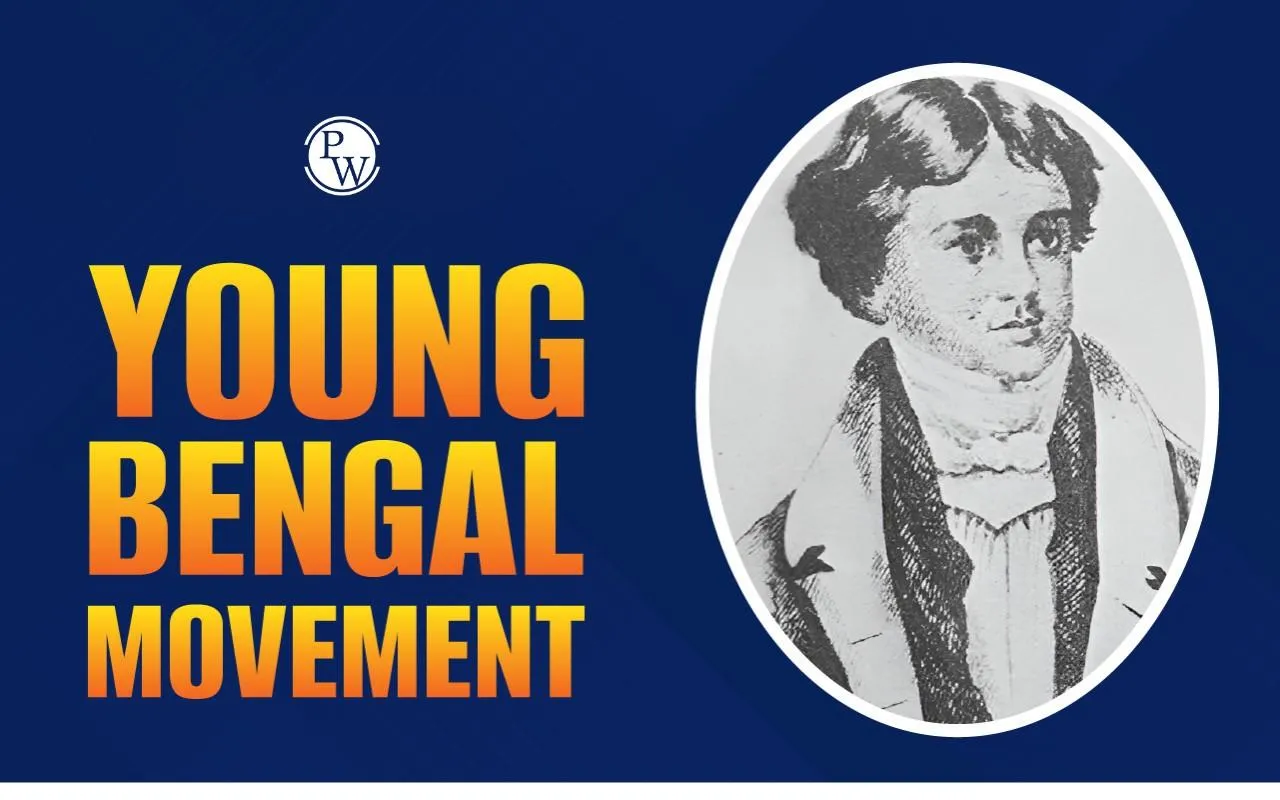
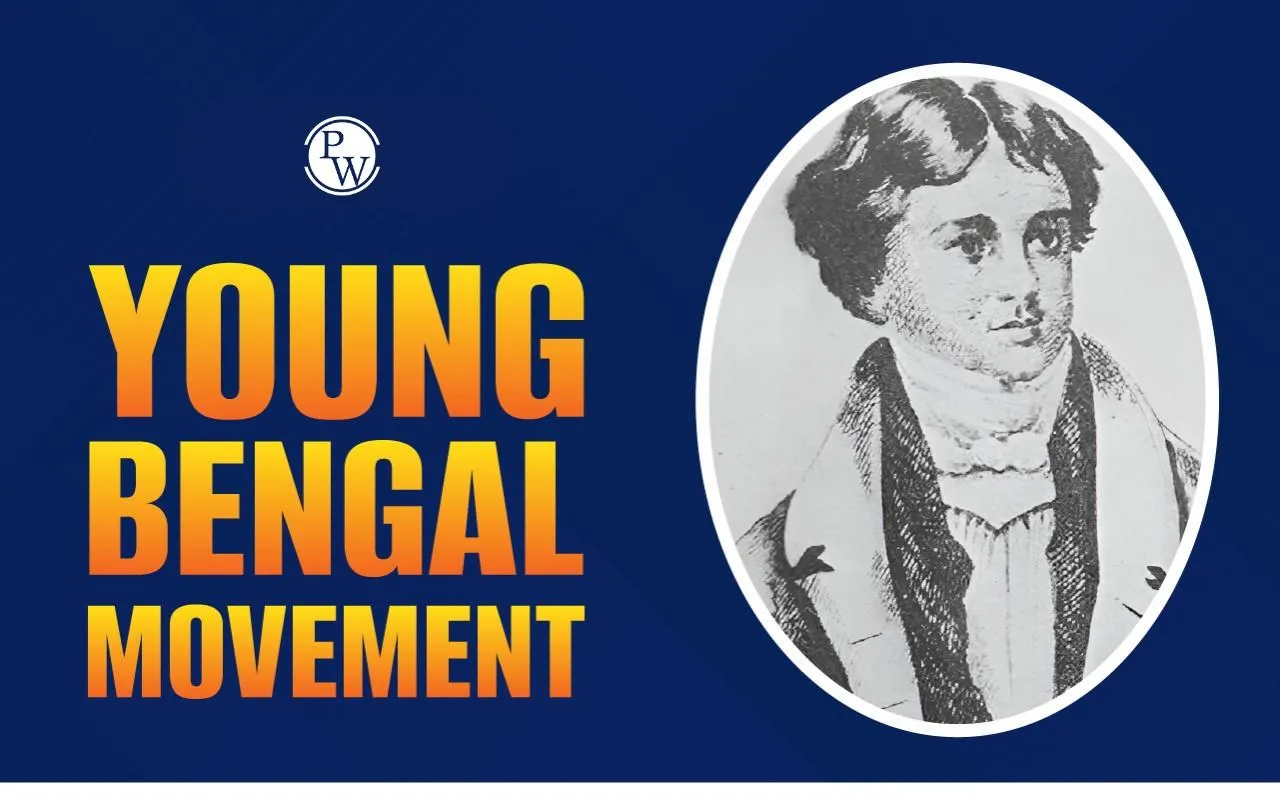
The Young Bengal Movement founder was Henry Louis Vivian Derozio. He was a very young teacher at Hindu College in Calcutta. He was only seventeen years old when he started teaching. But his ideas were very strong.
He taught his students to think freely. He asked them to use logic. He told them that a person must reason and understand things. This idea became the heart of the Young Bengal Movement.
He once said:
“He who does not reason is a slave.”
This simple line shows why the movement began. It wanted people to think, not just follow.
Young Bengal Movement Objective
The young bengal movement objective helped shape the reform agenda of Bengal. Some of the major objectives were:
| Young Bengal Movement Objective | |
| Point | Explanation |
| Promotion of Rational Thinking | The movement encouraged young Indians to think logically, learn science, and avoid blind beliefs. |
| Challenge to Social Orthodoxy | The Derozians opposed strict customs like caste rules, idol worship, child marriage, and useless rituals. |
| Spread of Modern Education | They pushed for more education for all, supported learning in the mother tongue, opened new schools, and helped start the Calcutta Public Library. |
| Advocacy for Social Equality | They believed everyone should be treated equally and supported women’s education and rights. |
| Demand for Civil Liberties | They called for free speech, free press, fair trials, and greater role of Indians in government. |
Ideas and Contributions of the Young Bengal Movement
The movement introduced several new ideas in colonial Bengal:
| Ideas and Contributions of the Young Bengal Movement | |
| Key Idea | Explanation |
| Emphasis on Scientific Thinking | The Derozians wanted people to learn science, do experiments, observe things, and read scientific books. |
| Opposition to Social Evils | They stood against caste rules, polygamy, and stopping widows from remarrying. They also wanted fair treatment for workers and farmers. |
| Support for Women’s Education | They believed women should get proper education to help build a better society. |
| Establishment of Institutions | They helped start the Calcutta Public Library (1835), which later became the National Library, and formed the Society for the Acquisition of General Knowledge. |
Young Bengal Movement Leaders
The followers of Derozio became important figures in Bengal’s early reform period. Some significant young bengal movement leaders were:
-
Krishnamohan Bandyopadhyaya
-
Ramgopal Ghosh
-
Tarachand Chakraborty
-
Ramtanu Lahiri
-
Pearychand Mitra
-
Dakshinaranjan Mukhopadhyaya
These leaders continued the rationalist ideas promoted by Derozio even after his early death. They established libraries, started journals, founded debating clubs, and created platforms for modern education.
Legacy of the Young Bengal Movement
The long-term impact of the Young Bengal Movement is significant:
-
It inspired later reformers like Ishwar Chandra Vidyasagar and Surendranath Banerjee.
-
It introduced rationalism and secular thought in public life.
-
It strengthened the foundation for India’s social and political awakening.
-
Its ideas encouraged young Indians to question authority and seek reform.
Young Bengal Movement FAQs
What was Young Bengal Movement in simple words?
Who started the Young Bengal Movement?
Who is known as the Young Bengal Movement founder?
What were the main Young Bengal movement objective points?