






ACCA CBE (Computer-Based Exam) Overview
ACCA computer-based exams (CBEs) offer flexibility, instant results and convenient exam scheduling for selected Foundation and ACCA Qualification papers. The on-demand format includes four main question types: multiple-choice, multiple-response, matching and number-entry.

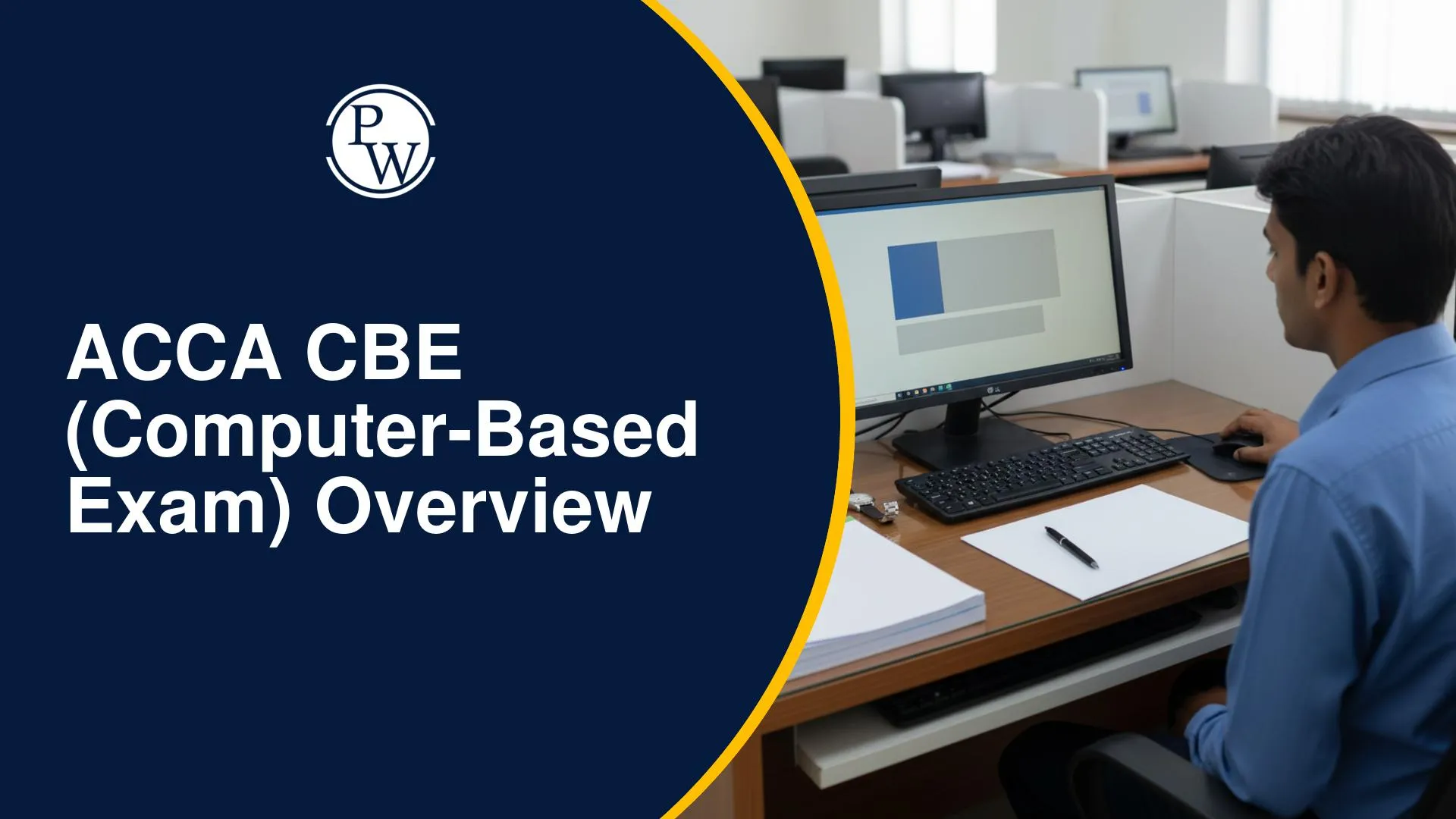
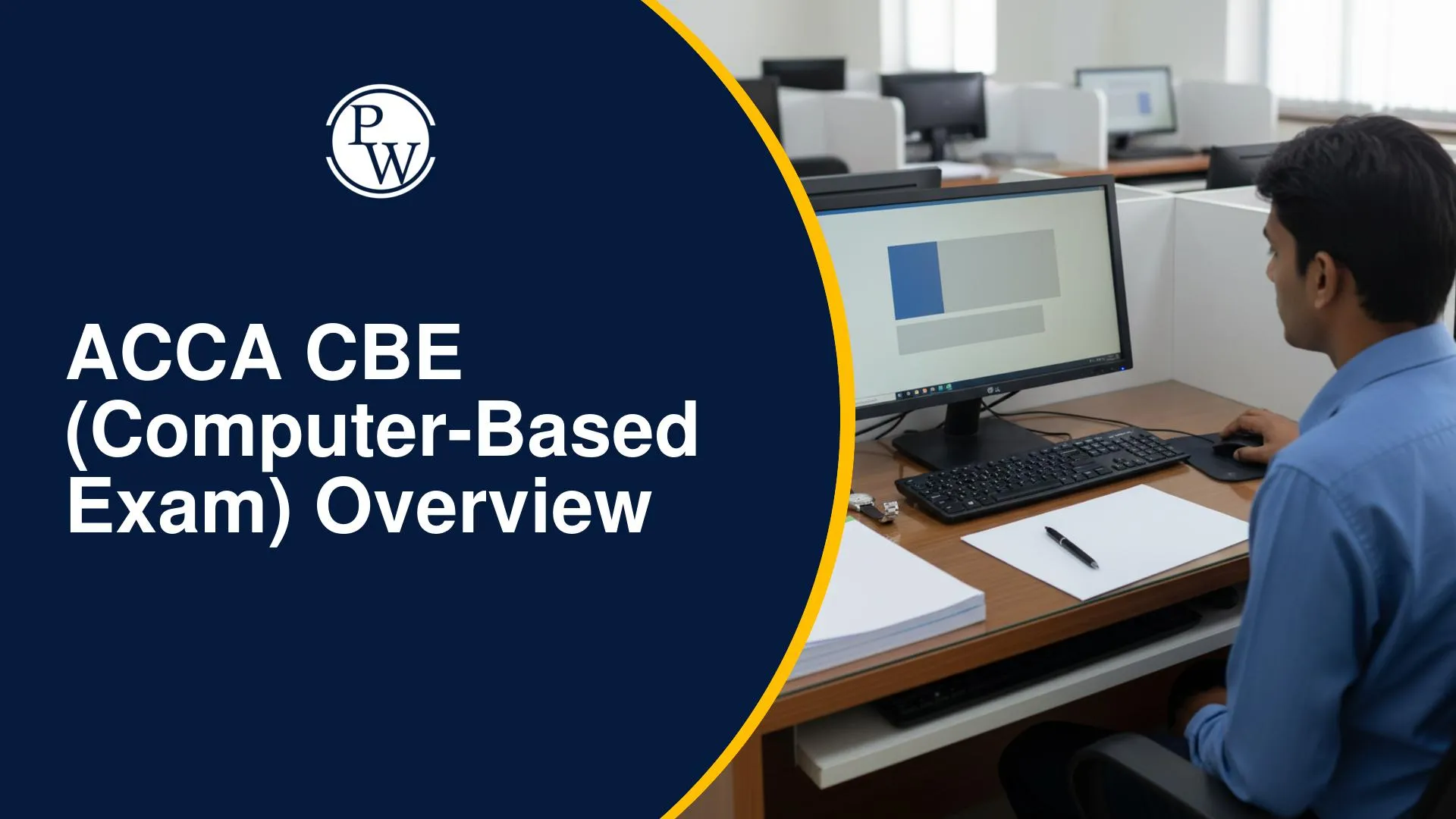
Taking an ACCA exam on a computer can feel different from a paper-based exam, especially when you are unfamiliar with the way questions are displayed and answers are submitted. Understanding the ACCA CBE exam format, question types and exam process beforehand can help you become familiar with the computer-based setup.
ACCA has offered computer-based exams since 1998, with selected Foundation level and ACCA Qualification papers currently assessed through on-demand CBEs. This article covers the available papers, benefits, question format, exam process, CBE centres and ways to practise before the live exam.
Also Check - ACCA June Passing Rate
What Are ACCA Computer-Based Exams?
ACCA has offered computer-based exams since 1998. The launch of the Foundation level awards increased the number of papers being assessed through CBE and supported ACCA’s move towards delivering all exams through e-assessment.
ACCA's session CBEs for the F5-F9 exams are different. On-demand CBEs can be taken throughout the year and are delivered through CBE centres approved by ACCA.
Papers Currently Assessed by On-Demand CBE
Below are the details about the papers currently assessed by On-Demand CBE:
Foundation Level Papers
|
Paper |
Subject |
|
FA1 |
Recording Financial Transactions |
|
MA1 |
Management Information |
|
FA2 |
Maintaining Financial Records |
|
MA2 |
Managing Costs and Finance |
|
FAB |
Accountant in Business |
|
FMA |
Management Accounting |
|
FFA |
Financial Accounting |
ACCA Qualification Papers
|
Paper |
Subject |
|
F1 |
Accountant in Business |
|
F2 |
Management Accounting |
|
F3 |
Financial Accounting |
|
F4 |
Corporate and Business Law* |
* English and Global variants only.
What Are the Benefits of ACCA Computer Based Exams?
If you take your exams by CBE, you might report high levels of satisfaction. The on-demand format provides the following advantages.
Flexibility
On-demand CBEs can be taken at any point throughout the year, so you are not restricted to a fixed exam schedule. If you need to resit an exam, a CBE also allows you to take the resit much sooner while the information is still fresh in your mind.
Instant Results
On-demand CBEs provide instant results. You can know immediately if you have passed instead of waiting for the results for the next few weeks.
Convenience
ACCA is continuously updating its CBE centre network by recruiting more centres. All CBE centres are approved by ACCA to ensure that they meet its required standards before being added to the network.
What Is the ACCA CBE Exam Pattern and Question Format?
The current on-demand ACCA CBE question format consists of four main question types:
-
Multiple-choice questions
-
Multiple-response questions
-
Multiple-response matching questions
-
Number-entry questions
All questions are worth two marks. Some questions may also include background information that you need to answer the question.
Multiple-Choice Questions
Multiple-choice questions (MCQs) are the most commonly used question type and feature in all ACCA CBEs. You need to choose one answer from a list of options by clicking on the appropriate radio button.
Multiple-Response Questions
In a multiple-response question, you need to select more than one response from the options provided by clicking the appropriate tick boxes.
Questions typically have four answer options, two of which are correct. However, the number of options and the number of options you need to select can differ. Marks are awarded only if you select all the correct options, so read the question carefully to identify how many responses are required.
Multiple-Response Matching Questions
Multiple-response matching questions use a standard layout in the CBE. You need to select the appropriate responses according to the requirements of the question.
Number-Entry Questions
Number-entry questions are the only question type in an on-demand CBE where you enter the answer yourself rather than selecting it from a list of options.
Numerical answers must be submitted without commas. Where relevant, you should use a full stop as the decimal point and a minus sign as the negative symbol. For example, –10530.25.
How Does the ACCA CBE Exam Process Work?
The ACCA CBE exam process differs from a paper-based exam mainly in how questions and answers are displayed and recorded.
In a Computer-Based Examination (CBE), you see one question at a time on your screen, unlike a paper-based exam, where you can view all the questions together. You can type your answer directly on the screen.
Here is how to answer and navigate through the exam:
-
Save your answers: After entering an answer, click the Submit button to save it.
-
Change your answers: You can revisit questions and edit your answers anytime before the exam ends. Remember to click Submit again to save any changes.
-
Find unanswered questions: Questions you have not attempted are marked with an asterisk (*) in the drop-down list. Click the question number to open it.
-
Keep track of time: A timer on the screen shows how much time you have left, helping you manage your exam time.
Tip: Before the exam ends, review your answers and make sure you have submitted any changes.
What Are the ACCA CBE Exam Centres?
ACCA computer based exams are conducted through its CBE centre network. ACCA continuously updates this network and recruits additional centres to make it more convenient for you to take your exams.
Every CBE centre is approved by ACCA before being added to the network. This approval process ensures that centres meet ACCA's required standards.
The available CBE centres can therefore change as the network is updated. You should refer to ACCA's current centre information when planning their exam booking.
How Can You Practise for ACCA CBE Exams?
ACCA provides syllabus and study guides, CBE information and full pilot exams for each subject. Practising with these computer-based exams can help you become familiar with the ACCA CBE exam questions, question types and exam interface before the live exam.
Points to Remember During CBE Practice
-
Read each question carefully before answering.
-
Practise using the computer-based format rather than only reading questions on paper.
-
Remember to click Submit after entering an answer.
-
If you change an answer, submit the new response again.
-
Avoid spending too much time on a question you are unsure about.
-
Move on and return to difficult questions later.
-
Use the question navigation list to identify unanswered questions.
-
Keep track of the remaining time using the timer.
ACCA computer based exams provide a flexible option for selected Foundation level and ACCA Qualification papers. Understanding the ACCA CBE exam structure, question types, answer submission process and navigation tools beforehand can help you become familiar with the computer-based format. Using ACCA's pilot exams and other preparation materials can further help you practise before taking a live CBE.
FAQs
What does CBE mean in ACCA?
What is the ACCA CBE exam format?
How many marks is each ACCA CBE question worth?
Are ACCA CBE questions the same for everyone?
Can I change my answer during an ACCA CBE?





Get Free Counselling Today
and Clear up all your Doubts
 Live & recorded classes available at easeDashboard for progress trackingLakhs of practice questions

